

Tampa homeowners enjoy warm weather most of the year, but the same climate that supports outdoor living also creates challenges inside the home. Kitchens are especially affected because cooking already produces heat, grease, moisture, and airborne particles. When these elements combine with Tampa’s high humidity and year-round warmth, kitchen ventilation systems work harder and accumulate buildup faster. Range hoods are designed to remove smoke, grease, and moisture, but without routine maintenance, they lose effectiveness over time. Understanding how Tampa’s climate impacts range hood performance explains why consistent cleaning and upkeep play such an important role in protecting indoor air quality, reducing lingering odors, and maintaining a healthier home environment.
High Humidity Causes Grease to Build Up Faster Inside Range Hoods
Tampa’s humid air slows the drying process for grease particles released during cooking. Instead of drying and falling away, grease remains sticky and clings to hood filters, fan blades, and duct walls. Moisture in the air binds with grease, forming thicker layers that trap dust and airborne debris. Over time, these layers restrict airflow and reduce ventilation efficiency. Homes in drier climates experience slower accumulation, but in Tampa, humidity accelerates the buildup process, making routine range hood maintenance far more important than many homeowners realize.
Moist Air Traps Contaminants That Should Be Venting Outside
Humidity does more than create grease buildup. It also causes airborne contaminants to remain suspended longer. When the range hood airflow weakens due to residue, polluted air struggles to escape.
Common contaminants trapped by humid conditions include:
- Cooking odors that linger for hours
- Grease particles that spread beyond the kitchen
- Steam that increases indoor moisture levels
- Fine debris that settles on surfaces and furnishings
Routine cleaning restores airflow, allowing these contaminants to exit the home as intended.
Warm Temperatures Keep Residue Soft and Difficult to Remove Naturally
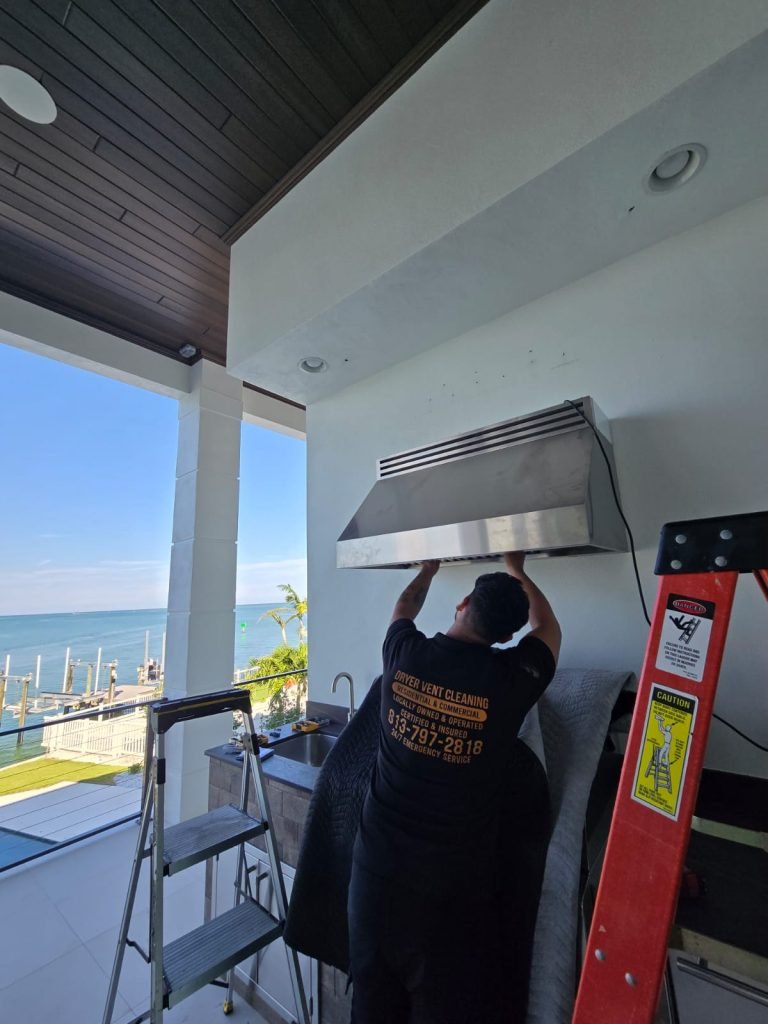
In cooler climates, grease may harden and break away more easily over time. Tampa’s consistently warm temperatures keep grease soft and adhesive, allowing buildup to continue expanding inside the ventilation system. This creates a cycle where residue layers thicken instead of shedding. Soft grease also spreads more easily during airflow, coating additional internal surfaces. Without professional cleaning, these layers grow deeper inside ductwork, far beyond what basic filter cleaning can address.
Frequent Cooking Combined with Climate Stress Increases System Wear
Many Tampa households cook regularly throughout the year. When frequent cooking meets a climate that intensifies grease retention, range hood systems experience added stress. Fans work harder to move air through restricted pathways, leading to reduced efficiency.
Climate-related strain on range hood systems includes:
- Reduced suction power over time
- Louder fan operation due to resistance
- Higher energy use during cooking
- Shortened lifespan of internal components
Routine maintenance helps prevent unnecessary strain and preserves system performance.
Humidity Promotes Odor Retention Inside Ventilation Ducts
Odors behave differently in humid environments. Instead of dissipating quickly, they cling to moisture-coated surfaces. Inside range hood ductwork, grease and humidity create ideal conditions for odors to embed into residue layers. Even after cooking stops, smells can slowly release back into the kitchen. Homeowners may notice recurring odors despite cleaning surfaces and filters. Professional maintenance removes the odor-trapping residue deep inside the system.
Increased Moisture Raises Fire and Smoke Risks in Kitchens
Grease is flammable, and humid conditions do not reduce that risk. In fact, moisture can cause grease layers to spread across larger internal areas.
Risks associated with neglected range hood systems include:
- Smoke buildup during high-heat cooking
- Faster ignition of internal grease layers
- Reduced visibility during cooking incidents
- Heat retention near cooking appliances
Routine maintenance removes accumulated grease before it reaches hazardous levels.
Range Hood Filters Become Saturated Faster in Tampa Homes
Filters are designed to capture grease before it enters ductwork. In Tampa’s climate, filters saturate more quickly due to moisture binding grease to filter fibers. Once saturated, filters allow grease to bypass them, coating internal components instead. Many homeowners clean or replace filters infrequently, unaware that climate conditions demand more attention. Routine maintenance ensures filters continue functioning as an effective barrier against airborne contaminants.
Reduced Ventilation Allows Moisture to Spread Through the Home
When range hoods fail to remove steam efficiently, moisture spreads beyond the kitchen. In Tampa homes where air conditioning keeps windows closed, trapped moisture raises indoor humidity levels. This can affect comfort, surface cleanliness, and overall air quality. Effective range hood maintenance helps manage moisture at its source, reducing its impact on the rest of the home.
Professional Cleaning Addresses Hidden Climate-Related Damage
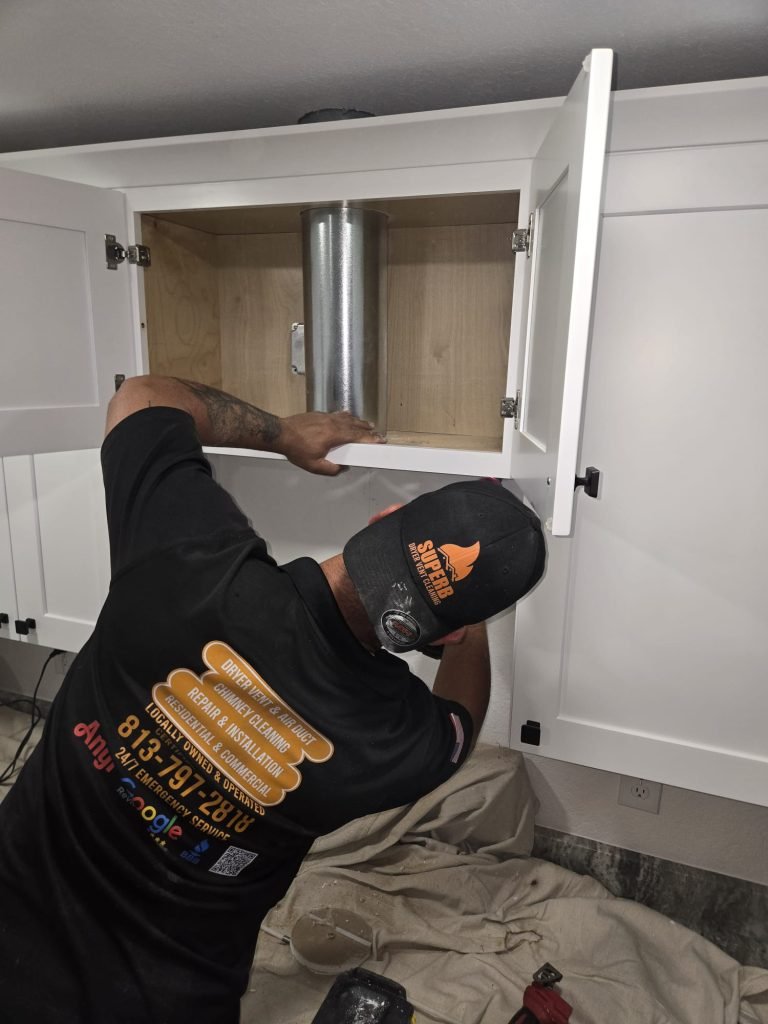
Surface cleaning addresses visible grease but leaves internal buildup untouched. Climate-accelerated residue often accumulates in fan housings and duct bends that homeowners cannot reach. Professional range hood cleaning removes these hidden layers, restoring airflow and preventing climate-related performance decline. This level of cleaning is essential in Tampa, where environmental conditions continuously work against ventilation efficiency.
Maintained Systems Support Healthier Indoor Air Year-Round
Tampa residents spend much of the year indoors with air conditioning running. This makes proper ventilation even more important. Clean range hoods remove pollutants before they circulate throughout the home. By addressing climate-driven buildup, routine maintenance supports healthier indoor air and reduces exposure to airborne grease and cooking byproducts.
Conclusion
Tampa’s warm, humid climate creates conditions that accelerate grease buildup, restrict airflow, and trap contaminants inside kitchen ventilation systems. Range hoods face greater challenges here than in many other regions, making routine maintenance essential rather than optional. Without consistent care, humidity and heat quickly undermine ventilation performance, leading to lingering odors, increased moisture, and reduced indoor air quality. Understanding how climate affects these systems helps homeowners take proactive steps to maintain healthier kitchens. In the final stage of addressing long-term ventilation care, Superb Dryer Vent Cleaning provides professional range hood services along with access to related resources and contact information available throughout the website.
Frequently Asked Questions
1. Why does grease build up faster in Tampa kitchens?
Humidity keeps grease sticky, allowing it to accumulate faster.
2. Can climate affect range hood efficiency?
Yes, heat and moisture reduce airflow over time.
3. How often should range hoods be maintained in humid climates?
More frequently than in dry climates.
4. Do filters clog faster in Tampa homes?
Yes, moisture causes faster saturation.
5. Can poor ventilation increase indoor humidity?
Yes, steam spreads throughout the home.
6. Are odors worse in humid environments?
Humidity causes odors to linger and embed.
7. Does grease buildup increase fire risk?
Yes, accumulated grease is flammable.
8. Is surface cleaning enough?
No, internal components require professional cleaning.
9. Can ventilation issues affect other rooms?
Yes, pollutants spread through the airflow.
10. Does professional cleaning restore airflow?
Yes, removing buildup improves ventilation performance.