


Dryer vent cleaning is often seen as a minor maintenance task, something that can be postponed or ignored without immediate consequences. However, in a city like Tampa, where high humidity and frequent dryer use are part of everyday life, skipping this essential service can quickly lead to much bigger problems. What starts as a small amount of lint buildup inside the vent system gradually turns into a major obstruction that affects not only your dryer’s performance but also your home’s safety and air quality.
Every time your dryer runs, it pushes hot air, moisture, and lint through the vent system. While the lint trap captures some debris, a large portion still enters the ductwork. Over time, this buildup accumulates and restricts airflow. When airflow is blocked, heat and moisture become trapped, forcing the dryer to work harder and operate under unsafe conditions.
Homeowners who stay informed through dryer vent maintenance insights and professional care resources often understand that neglecting this issue allows small problems to grow into serious risks. From increased energy bills to fire hazards and mold growth, the consequences of skipping regular cleaning can be significant. Understanding these risks is the first step toward preventing them and maintaining a safe, efficient home environment.
How Small Issues Turn Into Major Problems
At first, skipping dryer vent cleaning may not seem like a big deal. The dryer still works, clothes still dry, and there are no immediate signs of trouble. However, beneath the surface, lint and debris are slowly accumulating inside the vent system. This gradual buildup narrows the airflow pathway, making it harder for air to move efficiently.
As airflow becomes restricted, the dryer must work harder to push air through the system. This increased effort leads to longer drying cycles and higher energy consumption. Over time, the strain on the appliance begins to affect its internal components, causing wear and reducing its lifespan.
In Tampa homes, where dryers are used frequently due to humidity, this progression can happen faster than expected. Homeowners who take time to understand system behavior through professional dryer vent expertise and airflow performance knowledge often recognize how quickly minor issues escalate.
Ignoring these early signs allows the problem to grow, eventually leading to more serious complications that require costly repairs or replacement. Addressing buildup early prevents this chain reaction and keeps your system running efficiently.

Rising Energy Costs From Restricted Airflow
One of the first noticeable consequences of skipping dryer vent cleaning is an increase in energy costs. When airflow is restricted, the dryer cannot efficiently remove moisture from clothing. This forces the appliance to run longer cycles, using more electricity or gas to achieve the same results.
Common effects include:
- Longer drying times for each load
- Multiple cycles needed for complete drying
- Increased utility bills over time
- Reduced the efficiency of the appliance
- Greater wear on system components
These issues may seem minor at first, but they quickly add up. In Tampa, where laundry is often done frequently due to climate conditions, the impact on energy bills can be significant.
Homeowners who address airflow issues early through a professional dryer vent inspection and efficiency evaluation often reduce these costs and restore performance. By maintaining a clean vent system, you ensure that your dryer operates efficiently, saving both time and money in the long run.
Increased Risk of Dryer Fires
One of the most serious dangers of skipping dryer vent cleaning is the increased risk of fire. Lint is highly flammable, and when it accumulates inside the vent system, it creates a dangerous situation. Combined with the heat generated by the dryer, this buildup can easily ignite under the right conditions.
As airflow becomes restricted, heat is trapped inside the system, causing temperatures to rise. This creates the perfect environment for lint to catch fire. Because the vent system is hidden, fires can start without warning and spread quickly through walls or ceilings.
Homeowners who understand these risks through dryer vent safety insights and fire prevention strategies often prioritize regular maintenance.
Skipping cleaning allows lint to accumulate to dangerous levels, increasing the likelihood of fire. Regular vent cleaning removes this buildup and ensures that heat is safely expelled, significantly reducing the risk.
Moisture Buildup and Mold Growth
In Tampa’s humid climate, moisture buildup inside a clogged dryer vent can lead to serious problems beyond efficiency issues. When airflow is restricted, humid air cannot escape properly, causing moisture to accumulate inside the vent and surrounding areas.
This can result in:
- Mold and mildew growth
- Musty odors in the home
- Increased indoor humidity
- Damage to walls and ceilings
- Poor indoor air quality
Mold spores can spread through the air, affecting both comfort and health. Once mold begins to grow inside the vent system, it can be difficult to remove without professional cleaning.
Homeowners who take preventive action through expert dryer vent maintenance and moisture control solutions often avoid these issues. Maintaining a clean vent system ensures that moisture is properly expelled, protecting both your home and your health.
Shortened Appliance Lifespan
Skipping dryer vent cleaning can significantly reduce the lifespan of your appliance. When airflow is restricted, the dryer must work harder to perform basic functions. This constant strain accelerates wear on internal components such as the motor, heating element, and sensors.
Over time, these components begin to fail, leading to reduced performance and costly repairs. In some cases, the damage may be severe enough to require the complete replacement of the appliance.
Homeowners who take a proactive approach and schedule maintenance through professional dryer vent inspection and preventive service support often extend the life of their dryers.
By maintaining proper airflow, you reduce stress on the system and allow it to operate efficiently for many years. Regular cleaning is one of the simplest ways to protect your investment and avoid unnecessary expenses.
Poor Indoor Air Quality and Health Risks
Skipping dryer vent cleaning can also affect the air quality inside your home. When vents are clogged, lint, dust, and other particles may not be properly expelled outside. Instead, they can circulate back into your living space.
Common air quality issues include:
- Increased allergens in the air
- Dust buildup throughout the home
- Lingering odors
- Reduced ventilation efficiency
- Respiratory irritation
These issues can be particularly problematic for individuals with allergies or respiratory conditions. In Tampa homes, where windows are often closed to maintain indoor cooling, poor air circulation can make the problem worse.
Homeowners who focus on air quality and explore indoor air improvement insights and dryer vent care strategies often see noticeable benefits. Keeping your vent system clean helps maintain a healthier indoor environment and improves overall comfort.
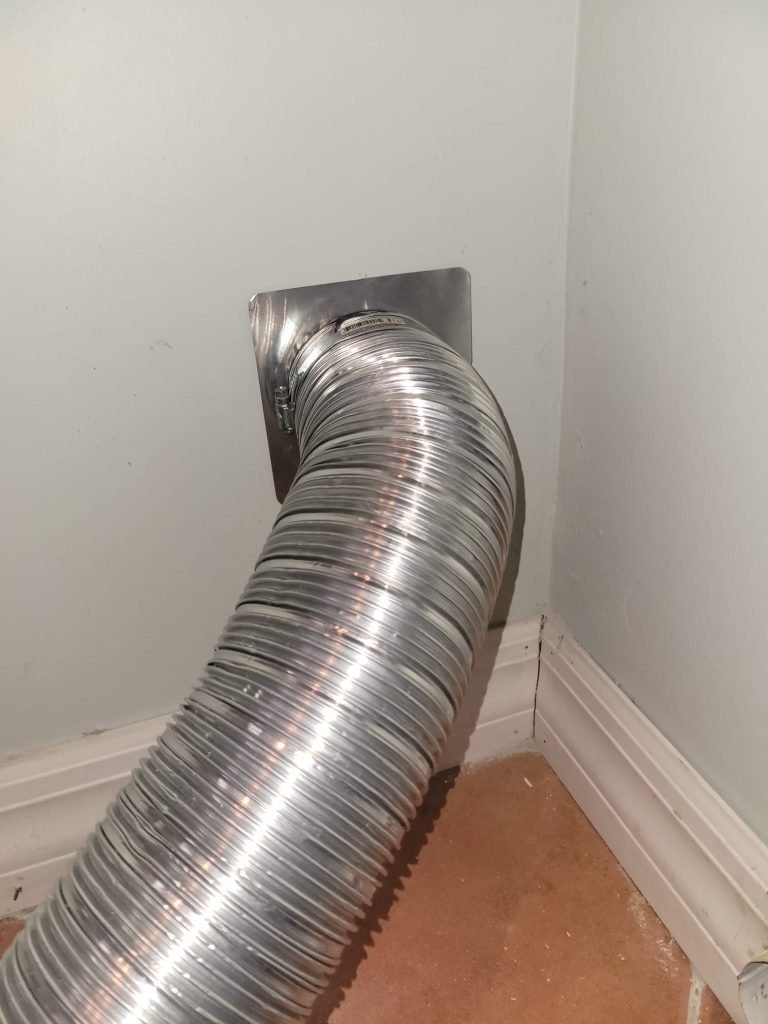
Structural Damage to Your Home
When moisture and heat are not properly vented, they can begin to affect the structure of your home. Over time, trapped moisture can seep into walls, ceilings, and insulation, causing damage that may not be immediately visible.
This can lead to:
- Warped or weakened materials
- Mold growth inside the walls
- Discoloration and staining
- Reduced insulation efficiency
- Costly repairs
These issues often develop slowly, making them difficult to detect until significant damage has already occurred. Homeowners who stay proactive and schedule inspections through professional vent cleaning solutions for long-term home protection often prevent these problems. Maintaining proper ventilation ensures that heat and moisture are safely removed, protecting your home’s structure.
The Importance of Preventive Maintenance
Preventive maintenance is the most effective way to avoid the problems caused by skipping dryer vent cleaning. By taking a proactive approach, you can keep your system running efficiently and prevent small issues from becoming major concerns.
Important steps include:
- Cleaning the lint trap after every use
- Inspecting vents regularly for blockages
- Scheduling annual professional cleaning
- Monitoring dryer performance
- Addressing issues immediately
Homeowners who follow a structured maintenance plan through ongoing dryer vent service scheduling and expert support often avoid costly repairs and safety risks. Consistency is key. Regular maintenance ensures that your dryer operates safely, efficiently, and reliably over time.
Conclusion
Skipping dryer vent cleaning in Tampa may seem harmless at first, but the long-term consequences can be significant. What begins as a small buildup of lint and debris gradually leads to restricted airflow, increased energy costs, and unnecessary strain on your appliance. Over time, these issues escalate into serious risks, including fire hazards, mold growth, poor indoor air quality, and even structural damage to your home.
By understanding how these problems develop, homeowners can take proactive steps to prevent them. Maintaining a clean vent system allows heat and moisture to escape properly, improving efficiency and reducing safety risks. Many homeowners stay informed through ongoing dryer vent care insights and maintenance guidance, improve system performance with professional cleaning solutions designed for safe airflow, and ensure long-term protection by scheduling service through a convenient inspection and maintenance consultation
Making dryer vent cleaning a regular part of your home maintenance routine is one of the simplest ways to protect your investment, improve efficiency, and create a safer living environment for years to come.
FAQs
1. What happens if I skip dryer vent cleaning
Lint builds up, causing airflow restriction and safety risks.
2. Can skipping cleaning increase energy bills
Yes, longer cycles use more energy.
3. Is there a fire risk
Yes, lint is highly flammable.
4. Can it cause mold growth
Yes, trapped moisture leads to mold.
5. Does it affect air quality
Yes, it can circulate dust and allergens.
6. Can it damage my dryer
Yes, it causes overheating and wear.
7. How often should vents be cleaned
At least once a year.
8. Can it damage my home structure
Yes, moisture can affect walls and ceilings.
9. Is professional cleaning necessary
Yes, for complete removal of buildup.
10. Is maintenance worth it
Yes, it prevents bigger problems and saves money.