


Many homeowners assume that when clothes take longer to dry, the dryer itself is beginning to wear out. While appliance issues can sometimes be the cause, extended drying cycles are often linked to a less obvious problem: the dryer vent system. Hidden behind walls, ceilings, or running through attic spaces, dryer vents play a critical role in removing heat, moisture, and lint from the dryer during every cycle.
When a dryer vent system functions properly, warm air moves efficiently outside the home, allowing clothing to dry within a normal timeframe. However, when airflow becomes restricted due to lint buildup, vent damage, improper installation, or other hidden issues, the dryer may struggle to perform efficiently. As a result, homeowners often notice clothes remaining damp after a complete cycle or needing multiple drying sessions before they are fully dry.
Because these problems develop gradually, many homeowners overlook the warning signs until energy costs increase or dryer performance declines significantly. Understanding the connection between drying times and vent system health can help homeowners identify potential concerns before they become more serious.
Many homeowners looking to improve dryer performance often explore professional dryer vent cleaning solutions for safer and more efficient homes to better understand how airflow affects drying efficiency. Recognizing why longer drying times occur is the first step toward maintaining a safer and more effective laundry system.
How a Dryer Vent System Affects Drying Performance
A dryer vent system serves one primary purpose: removing hot air, moisture, and lint generated during the drying process. Every time a dryer operates, it produces warm, humid air that must exit the home through the vent system. If this airflow remains unrestricted, clothing dries efficiently, and the appliance performs as intended.
When vent systems become partially blocked or damaged, airflow begins to decline. As airflow decreases, moisture remains trapped inside the dryer for longer periods. This makes it more difficult for clothing to dry properly and often forces homeowners to run additional cycles.
Longer drying times are frequently one of the earliest signs that something within the vent system requires attention. Because vent systems are largely hidden from view, homeowners may not immediately associate reduced performance with airflow restrictions.
Over time, even small reductions in airflow can have a noticeable impact on drying efficiency. The dryer may continue operating, but it must work harder and longer to achieve the same results. This not only affects convenience but may also increase wear on the appliance.
Homeowners interested in learning more about proper dryer vent maintenance often review helpful dryer vent safety resources and maintenance articles to better understand how vent systems support efficient operation. Healthy airflow remains essential for maintaining consistent drying performance.
Common Hidden Vent Problems That Lead to Longer Drying Times
Many vent system issues remain hidden until performance problems begin to appear. Because most homeowners rarely inspect their vent systems, airflow restrictions often go unnoticed for extended periods.
Several hidden issues can contribute to longer drying cycles:
- Lint accumulation inside the vent
- Crushed or damaged vent sections
- Improper vent installation
- Excessive vent length
- Blocked exterior vent openings
- Animal nests or debris
- Loose vent connections
Each of these issues can reduce airflow and prevent moisture from leaving the dryer efficiently. In some cases, multiple problems may exist simultaneously, creating even greater restrictions.
One of the most common concerns is lint buildup. While dryer lint screens capture a significant amount of lint, smaller particles often travel into the vent system during every cycle. Over time, these particles accumulate and gradually narrow the airflow pathway.
Because these problems are hidden behind walls or within vent runs, homeowners may remain unaware until drying performance begins to decline significantly.
Many homeowners experiencing longer drying times often explore professional dryer vent cleaning solutions designed to improve airflow and dryer efficiency to better understand potential causes of restricted airflow. Identifying hidden vent issues early helps prevent more serious performance concerns.
Lint Buildup Can Gradually Restrict Airflow
Lint buildup is one of the most common causes of reduced dryer performance. Every load of laundry generates lint, and although the lint trap captures much of it, small particles continue moving through the vent system during normal operation.
As lint accumulates inside the vent, airflow gradually becomes more restricted. This process often occurs slowly, making it difficult for homeowners to recognize the problem immediately.
When airflow becomes restricted, moisture cannot exit the system as efficiently as intended. This causes damp air to remain inside the dryer for longer periods, increasing overall drying times.
Many homeowners first notice:
- Clothes remaining damp after one cycle
- Hotter than normal dryer operation
- Increased drying cycle duration
- Excess heat in the laundry area
- Reduced airflow at the exterior vent
- Higher energy usage
- More frequent dryer operation
These warning signs often indicate that lint accumulation is beginning to affect airflow performance.
Regular dryer vent maintenance helps address lint buildup before it significantly impacts efficiency. Preventative care allows airflow to remain consistent while supporting better dryer performance over time.
Homeowners seeking additional guidance often review helpful dryer vent maintenance resources and homeowner safety articles to learn more about managing lint accumulation. Addressing lint buildup early helps preserve dryer efficiency and convenience.
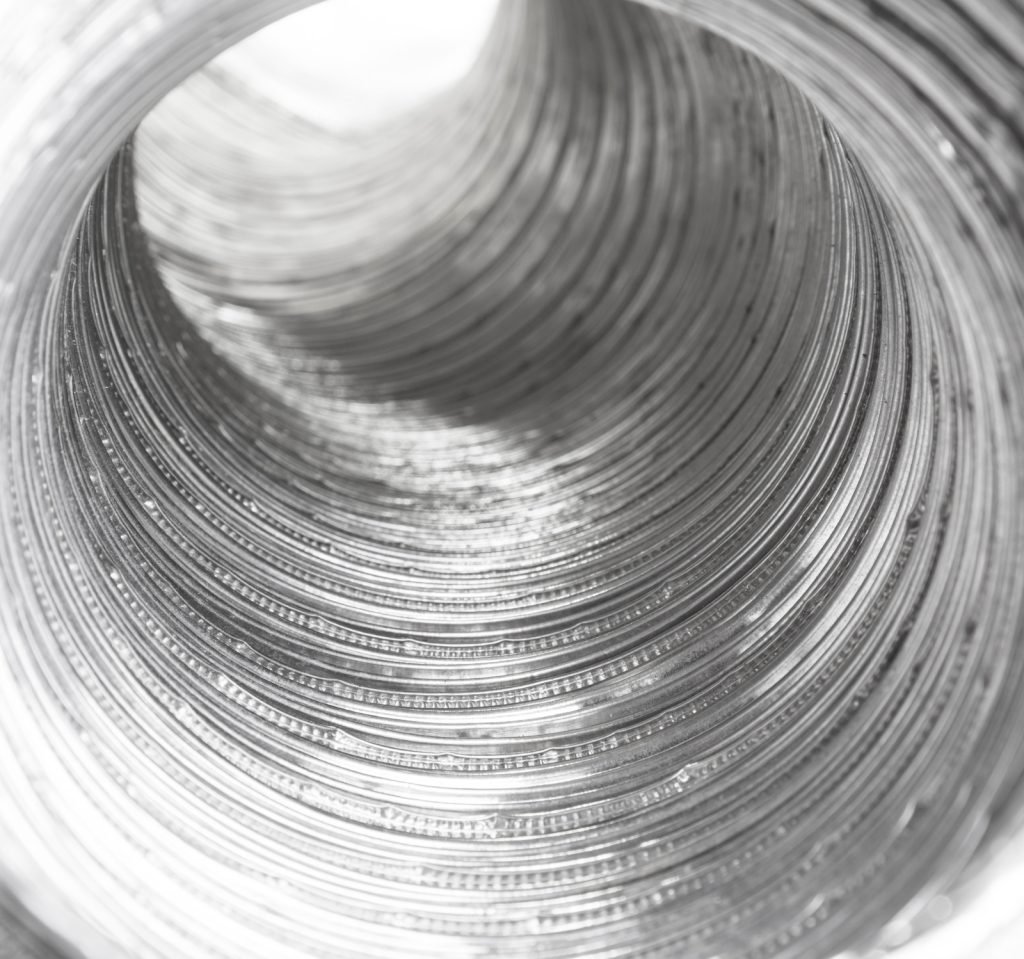
Damaged Vent Components Can Affect Dryer Efficiency
Not all airflow problems are caused by lint. Physical damage within the vent system can also contribute to longer drying times and reduced dryer performance.
Dryer vents may experience damage from normal wear, accidental impacts, remodeling projects, or aging materials. Even minor damage can affect airflow and create obstacles that interfere with proper ventilation.
Crushed vent sections, loose connections, and improperly positioned ductwork may all reduce airflow efficiency. Because these issues often remain hidden behind walls or within utility spaces, homeowners may not realize they exist.
As airflow becomes disrupted, moisture removal becomes less effective. The dryer must then operate longer to compensate for reduced ventilation capacity.
Many homeowners mistakenly assume their dryer is malfunctioning when the real issue lies within the vent system itself. Identifying damaged components often requires a thorough inspection of the entire vent pathway.
Those interested in understanding how vent system condition affects performance often explore professional dryer vent service information and maintenance recommendations to learn more about airflow-related issues. Maintaining the structural integrity of the vent system supports more efficient dryer operation.
Moisture Retention Can Create Additional Performance Problems
A properly functioning dryer vent system removes moisture from clothing and expels it outside the home. When airflow becomes restricted, moisture may remain trapped within the system for longer periods than intended.
Excess moisture can contribute to several performance concerns:
- Longer drying times
- Reduced dryer efficiency
- Increased humidity in the laundry area
- Greater appliance workload
- Less effective moisture removal
- Repeated drying cycles
- Reduced overall convenience
Many homeowners notice that clothes feel slightly damp even after a full cycle. Others find themselves running the dryer multiple times to achieve the desired results.
As moisture retention increases, the dryer must work harder to remove humidity from clothing. This additional workload often contributes to longer operating times and less efficient performance.
Because moisture removal is one of the primary functions of the vent system, any airflow restriction can directly impact drying effectiveness.
Homeowners experiencing persistent drying issues often explore professional dryer vent cleaning solutions that support proper airflow and moisture removal to better understand how vent performance influences drying efficiency. Proper ventilation helps ensure moisture leaves the system as intended.
Why Ignoring Longer Drying Times Can Lead to Bigger Problems
Longer drying times may seem like a minor inconvenience at first, but they often indicate developing airflow concerns that deserve attention. Ignoring these warning signs can allow vent system problems to worsen over time.
As restrictions increase, dryers typically operate for longer periods to compensate for reduced airflow. This additional workload can place greater stress on components while increasing energy consumption.
Potential consequences of neglected vent issues include:
- Increased utility costs
- Reduced dryer efficiency
- More frequent appliance wear
- Excessive heat buildup
- Poor moisture removal
- Ongoing performance decline
- Reduced convenience
Many homeowners continue using their dryers normally despite noticing longer cycle times. Unfortunately, airflow restrictions rarely improve on their own. Instead, buildup and damage often continue progressing until performance problems become more noticeable.
Addressing concerns early helps homeowners avoid unnecessary frustration while maintaining more efficient appliance operation.
Those seeking professional guidance often review information about experienced dryer vent specialists and service practices to better understand how preventative maintenance supports long-term dryer performance. Early intervention helps prevent minor airflow concerns from becoming larger problems.
Professional Dryer Vent Cleaning Helps Restore Proper Airflow
One of the most effective ways to address airflow restrictions is through professional dryer vent cleaning. By removing accumulated lint and identifying hidden vent issues, professional maintenance helps restore proper airflow throughout the system.
Professional service may help:
- Remove accumulated lint
- Improve airflow efficiency
- Support shorter drying cycles
- Improve moisture removal
- Enhance dryer performance
- Identify hidden vent issues
- Support long-term reliability
Many homeowners notice improved drying performance after airflow restrictions are removed. Clothing often dries more efficiently, and dryers may no longer require multiple cycles to achieve desired results.
Professional inspections can also identify structural issues such as damaged vent sections, improper installations, or vent configurations that may contribute to ongoing performance concerns.
Because dryer vents are often difficult to access, professional cleaning provides a thorough approach to maintaining system health and efficiency.
Homeowners interested in restoring dryer performance often explore professional dryer vent assistance and maintenance support to learn more about improving airflow and dryer efficiency. Maintaining clean and efficient vent systems helps support consistent drying performance.
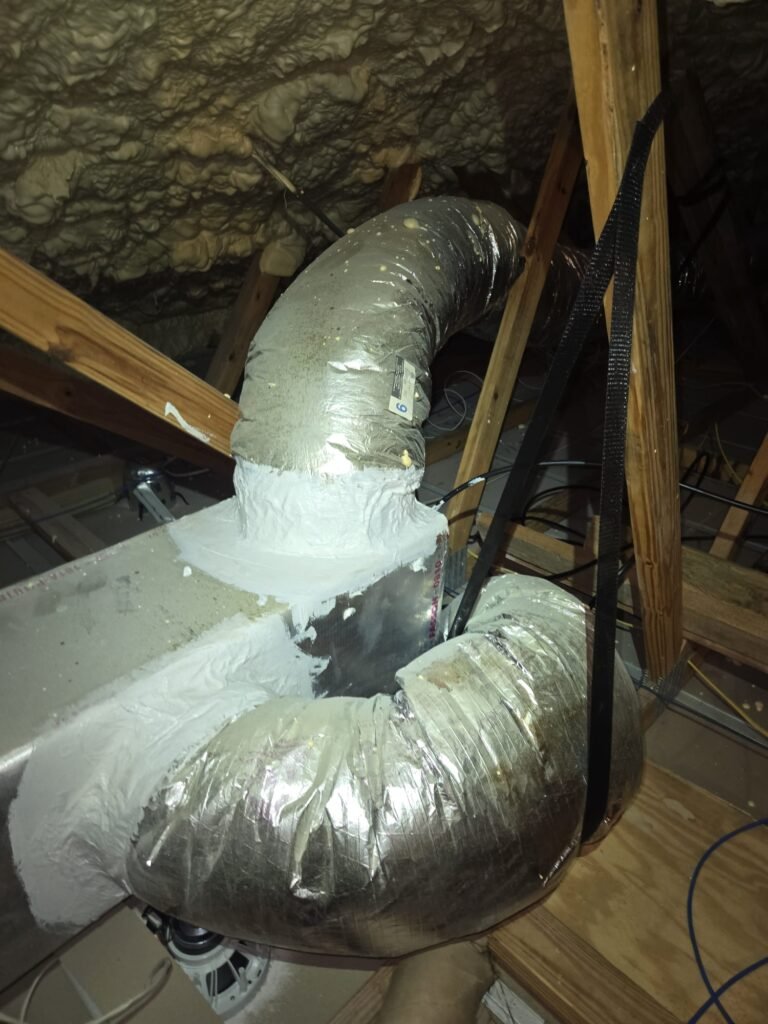
Preventative Maintenance Helps Keep Dryers Running Efficiently
Preventive maintenance remains one of the best ways to avoid unexpected dryer performance issues. Rather than waiting until drying times become excessive, homeowners can take proactive steps to support healthy airflow throughout the year.
Helpful maintenance practices include:
- Cleaning the lint screen after every load
- Monitoring drying cycle performance
- Inspecting exterior vent openings
- Scheduling periodic vent inspections
- Watching for airflow changes
- Addressing unusual dryer behavior
- Maintaining regular vent cleaning schedules
These simple habits help reduce the likelihood of severe airflow restrictions while supporting long-term dryer efficiency. Many homeowners underestimate how quickly vent conditions can change. Routine attention helps identify concerns early and supports more reliable dryer operation.
Combined with professional maintenance when needed, preventative care helps homeowners enjoy consistent drying performance and greater peace of mind. Those interested in maintaining efficient dryer systems often review helpful dryer vent safety resources and maintenance recommendations to better understand best practices for long-term care. Small maintenance efforts often make a significant difference in dryer performance over time.
Conclusion
Longer drying times are often more than a simple inconvenience. In many cases, they serve as an early warning sign that hidden vent system problems may be affecting airflow and dryer efficiency. Lint buildup, damaged vent components, moisture retention, and airflow restrictions can all contribute to longer cycles and reduced appliance performance.
Understanding the connection between drying times and vent system health helps homeowners identify concerns before they become more serious. By addressing airflow issues early and maintaining a proactive approach to dryer vent care, homeowners can support better performance, improved efficiency, and more reliable operation.
Learn more about professional dryer vent cleaning solutions for safer and more efficient homes, browse helpful dryer vent safety resources and maintenance articles, discover the experience behind trusted dryer vent service professionals, or request professional dryer vent assistance and support today.
FAQ
What causes clothes to take longer to dry?
Restricted airflow, lint buildup, vent damage, and moisture retention are common causes of extended drying times.
Can a clogged dryer vent affect dryer performance?
Yes. Restricted airflow can reduce efficiency and increase drying cycle duration.
How does lint buildup affect drying times?
Lint accumulation can narrow airflow pathways, making it harder for moisture to leave the system.
Can damaged vent systems cause longer drying cycles?
Yes. Crushed or damaged vent sections may restrict airflow and reduce dryer efficiency.
Why are clothes still damp after one cycle?
Poor airflow may prevent moisture from being removed effectively during the drying process.
Can longer drying times increase energy usage?
Extended dryer operation typically requires more energy to complete each load.
How often should dryer vents be inspected?
Regular inspections help identify airflow concerns before they significantly affect performance.
What are the signs of restricted dryer airflow?
Long drying times, excessive heat, damp clothing, and reduced exterior airflow are common indicators.
Can professional dryer vent cleaning improve efficiency?
Removing airflow restrictions often helps restore normal dryer performance and drying times.
Why is preventative dryer vent maintenance important?
Routine maintenance helps support efficient airflow, reliable performance, and long-term dryer health.