


A home inspection can tell you a great deal about a property, but the dryer vent is one of those systems that can receive very little attention compared with the roof, plumbing, electrical panel, air conditioning, and major appliances. Much of the exhaust route is hidden inside walls, ceilings, or attic spaces, so a clean-looking laundry room does not necessarily tell you what condition the vent is in.
That matters when buying an existing Tampa home because you are also taking over the previous owner’s maintenance history.
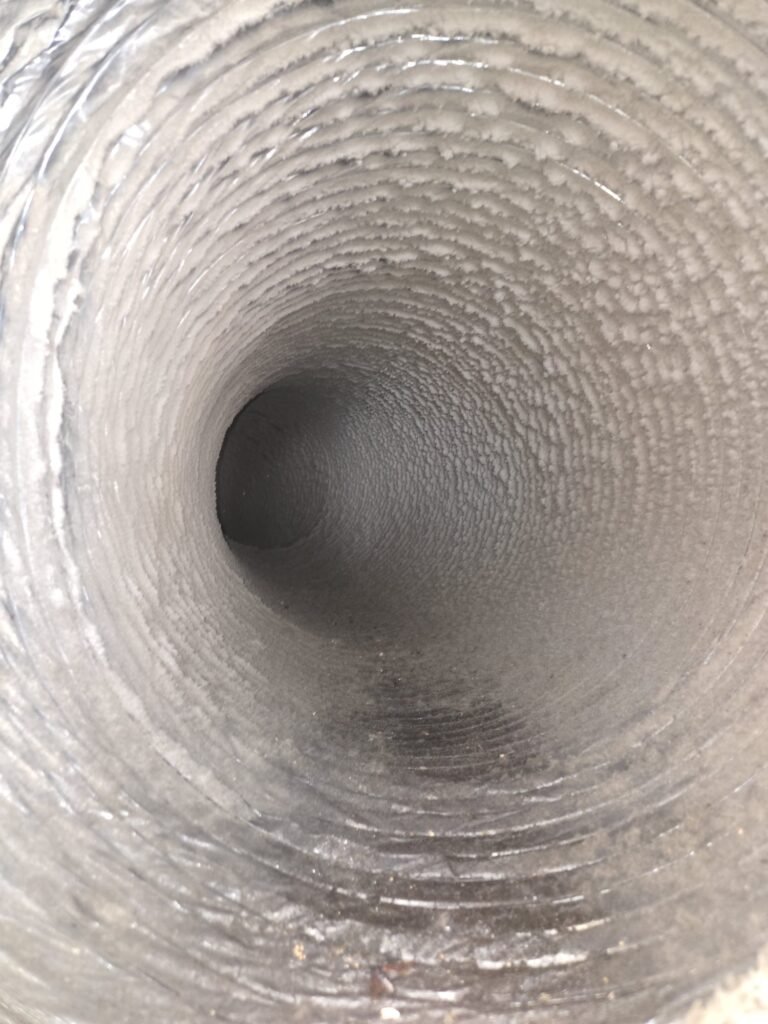
One homebuyer discovered this shortly after moving into a property where the laundry area looked almost new. The dryer connection was tidy, the lint screen was clean, and nothing during the walkthrough suggested an obvious problem. Once the family began doing regular laundry, towels consistently needed a second cycle. Checking the exterior termination showed that very little exhaust was reaching the outlet. A closer evaluation found substantial lint farther inside the vent route.
The important detail was that nothing looked wrong at either end of the system. The hidden section told a different story.
Before regular laundry begins, a professional evaluation of the complete residential dryer exhaust route can provide a useful starting point when the property’s previous vent maintenance is unknown.
Ask About the Dryer Vent’s Maintenance History Before Closing
Buyers routinely ask when the roof was replaced or when the air conditioner was last serviced. Asking when the dryer vent was last cleaned is far less common.
It is still a useful question.
The seller may have documentation from previous service, or they may remember having the vent cleaned after experiencing slow drying. In other cases, nobody knows when the exhaust line was last professionally addressed.
An unknown service history does not prove that the vent is clogged. It simply removes one piece of information you would otherwise use to judge its condition.
Ask whether the previous occupants experienced unusually long drying cycles, whether the dryer or laundry room was relocated, and whether any work was performed on the vent route. Remodeling can matter because changing the laundry layout may introduce a longer route or additional turns.
A buyer should also distinguish between cleaning the dryer and cleaning the exhaust duct. Emptying the lint screen, vacuuming behind the appliance, and wiping down the laundry room do not establish the condition of the hidden vent.
Starting with that distinction makes future Dryer Vent Maintenance Tampa easier to plan because you have a known baseline instead of relying entirely on the previous owner’s habits.
When the property’s maintenance records provide little information, explore local dryer vent inspection and cleaning options for Tampa homes before assuming the system is ready for years of continued use.
Look Closely at the Connection Behind the Dryer
The short connection between the dryer and the wall can reveal a surprising amount about how the system has been treated.
During property preparation, appliances are sometimes moved for cleaning, painting, flooring installation, or staging. When the dryer is pushed back into position, the transition duct can become compressed or sharply bent behind it.
This may not be visible from the front.
If the dryer remains with the property, inspect the accessible area behind it without disconnecting utilities. Look for an obviously crushed connection, excessive lint around the connection point, loose-looking sections, or an appliance positioned so tightly against the wall that there appears to be little room for the duct.
If the seller removes the dryer before closing, take advantage of the empty laundry space. The wall connection becomes much easier to observe before your own appliance is installed.
This is particularly useful when considering Residential Dryer Vent Cleaning Tampa because a restriction does not always come from lint alone. The configuration of the connection can influence how effectively exhaust reaches the main duct.
A professional should evaluate the problem rather than simply assume that every slow dryer needs cleaning. When the visible connection raises concerns, a complete residential dryer vent assessment can help determine whether the issue stops behind the appliance or continues farther through the exhaust route.
Find the Exterior Termination and See What It Tells You
Knowing where the dryer vents outside is useful information for any new owner.
Some Tampa properties have laundry rooms positioned close to an exterior wall, allowing for a relatively direct exhaust route. Other layouts can require the duct to travel farther through concealed areas before reaching the exterior. Multi-story properties can have even more complicated routes. Longer runs and multiple turns can create additional places for lint to collect.
If the termination is safely accessible, inspect it visually.
Heavy lint around the outlet deserves attention. So does a broken cover, debris around the opening, or louvers that appear stuck. Once the dryer is operating, the cover can provide another clue because outgoing exhaust should normally cause the flap or louvers to respond.
Do not make the opposite mistake and assume that a clean-looking exterior termination proves the entire line is clear. You are looking at only the final few inches of a potentially much longer route.
This is where Clogged Dryer Vent Cleaning Tampa becomes relevant for a recently purchased property. A restriction can exist farther inside even when the laundry connection and exterior opening appear reasonably clean. Longer drying times are also a recognized warning sign that a dryer exhaust system may need attention.
Buyers assessing several maintenance items at once may also want to consider other exhaust systems separately. If the kitchen hood has accumulated residue from years of cooking, professional kitchen range hood cleaning for the new property addresses a different system with different types of buildup.
Pay Attention to the Dryer Vent Route, Not Just the Two Ends
Once you have located the connection behind the dryer and the exterior termination, the next question is what happens between those two points.
A laundry room positioned directly against an exterior wall may have a fairly short exhaust route. An interior laundry room can require the duct to travel through walls, ceilings, or other concealed spaces before reaching outside. Depending on the property layout, there may also be several turns along the way.
Those hidden sections deserve attention because lint does not always accumulate evenly. Changes in direction and areas where exhaust movement is reduced can collect more material than a straight section.
This is one reason a buyer should not judge the entire system by shining a flashlight into the wall connection. You may be able to see only a small portion of a much longer route.
If the previous owner cannot explain where the vent travels or when it was last serviced, professional residential vent cleaning and evaluation can help establish the condition of the exhaust system before the new household begins regular laundry.
Test the Dryer With a Normal Load When Possible
A visual inspection provides useful clues, but dryer performance can reveal information that the vent cover cannot.
If the appliance is included with the property and you have an appropriate opportunity to test it, pay attention to how a normal load behaves. You are not trying to conduct a technical diagnostic test. You simply want to know whether the dryer seems to perform as expected.
One Tampa buyer did exactly that after noticing nothing unusual during the initial walkthrough. The dryer produced heat and the drum turned normally, but a moderate load remained noticeably damp after a full cycle. Outside, the vent flap was moving, although the exhaust felt weaker than expected.
Further inspection revealed that the vent route had accumulated lint well beyond the short section visible behind the appliance. The dryer itself had initially appeared to be the obvious suspect because it was an older model. The vent condition changed that assessment.
The practical takeaway is simple: heat alone does not prove that the dryer is exhausting efficiently. The appliance needs to remove moisture from fabrics and send that moisture outside.
If drying performance raises questions before or shortly after closing, explore professional dryer vent services for Tampa properties rather than assuming that replacing the appliance is automatically the solution.
Look for Signs the Laundry Room Has Been Remodeled
A freshly renovated laundry room can be a selling point, but buyers should ask what changed behind the finished surfaces.
Moving a dryer from one side of a room to another can alter the exhaust route considerably. A vent that once traveled a short distance through an exterior wall may now need to cross a larger portion of the building.
Cabinetry can also affect how closely the dryer sits against the wall. New flooring may change appliance positioning. In some remodels, the dryer is disconnected and reinstalled several times while work is completed.
None of these changes automatically creates a problem. They simply make the installation history worth understanding.
A service technician evaluating a recently purchased property may discover that the visible laundry area is new while parts of the exhaust route are much older. In another situation, the duct may have been rerouted during renovation but no record of the change was passed to the buyer.
This is where Dryer Vent Cleaning and inspection serve different purposes. Removing accumulated material is one task. Understanding whether the vent route and accessible connections are functioning properly is another.
New owners who discover evidence of recent laundry-room modifications can arrange a dryer vent evaluation before settling into regular use if the installation history or performance raises concerns.
Do Not Assume a Home Inspection Includes Complete Dryer Vent Cleaning
A professional home inspection can provide valuable information before purchasing a property, but buyers should understand its scope.
An inspector may identify visible concerns around the dryer connection, appliance, or exterior termination. That does not necessarily mean the entire concealed vent has been internally evaluated or professionally cleaned.
The distinction matters because the exhaust route may extend beyond what is readily accessible during a general property inspection.
If an inspection report mentions a damaged exterior cover, excessive lint, questionable vent material, poor termination condition, or another dryer-related concern, do not treat it as a minor note without considering how it affects the complete system.
The same applies when the report says nothing about the vent. Absence of a comment should not automatically be interpreted as confirmation that the hidden duct is clean.
For Residential Dryer Vent Cleaning Tampa, a useful starting point is combining what the inspection report says with the property’s maintenance history and actual dryer performance. If all three provide limited information, establishing a maintenance baseline after purchase can remove much of the uncertainty.
Commercial properties require their own evaluation because equipment use and exhaust configurations can differ significantly from residential systems. Commercial Dryer Vent Cleaning Tampa should be based on the actual laundry setup, usage, and vent route rather than assumptions carried over from a single-family property.
When a home inspection leaves unanswered questions about the dryer exhaust, review Tampa dryer vent maintenance and service options to decide whether a more focused evaluation makes sense before move-in.
Check for Signs That the Vent Has Been Neglected
A dryer vent does not need to look completely blocked before it deserves attention. For a homebuyer, several smaller clues can be more useful when considered together.
Lint collecting behind the dryer, heavy buildup around the exterior termination, a flap that barely opens, or noticeably long drying times can all suggest that the system needs a closer look. The age and condition of the laundry area can provide context as well.
Imagine buying a property where the dryer is relatively new, but nobody can provide a vent service history. If the appliance produces heat normally yet towels take much longer than expected, replacing the dryer would be a premature conclusion. The exhaust route should be evaluated too.
This is particularly important with Clogged Dryer Vent Cleaning Tampa because much of the buildup may be beyond what a buyer can see during a walkthrough. A clean lint screen only tells you that the screen was cleaned. It does not establish the condition of the duct behind it.
Before regular laundry begins, professional cleaning of the residential dryer exhaust route can provide a clearer maintenance baseline when several warning signs or an unknown service history are present.
Consider How the Previous Household May Have Used the Dryer
Maintenance history is only part of the picture. Usage matters too.
A dryer serving one or two people may have handled a very different workload from the same model used by a large family. Frequent loads of towels, bedding, pet blankets, and other lint-producing fabrics can affect how much material reaches the exhaust system over time.
A buyer usually will not know exactly how many loads the previous occupants dried each week. That is why rigid assumptions based only on the property’s age can be misleading.
The vent could have been professionally maintained recently in an older house. A newer property, on the other hand, could have experienced heavy laundry use without much attention to the exhaust system.
For Dryer Vent Maintenance Tampa, actual use, vent configuration, and observed performance provide better guidance than the age of the building alone.
This also gives buyers a useful strategy after moving in. Learn how long your typical loads take when the system is performing normally. That creates a baseline. If the same towels or bedding gradually require more time later, you have something meaningful to compare against.
New owners who want to establish that starting point can explore local dryer vent care for Tampa residences as part of their early property maintenance planning.
Know What You Can Check Yourself and What Requires a Closer Evaluation
There is plenty a buyer can observe without dismantling anything.
You can inspect the accessible connection behind the dryer, look for excessive lint around the laundry area, identify the exterior termination, and observe how its flap behaves when the dryer operates. You can also pay attention to drying performance once you begin using the appliance.
What you cannot reliably determine from those observations is the condition of every concealed section.
A vent may travel through areas you cannot see or safely reach. Trying to disconnect unfamiliar equipment, reach deeply into ductwork, or access an elevated termination is not necessary simply to perform a homebuyer check.
This is where professional Dryer Vent Cleaning may be beneficial. The goal is not to sell cleaning for every newly purchased property. It is to investigate systems where the history, visible condition, or performance leaves reasonable questions unanswered.
If your pre-move inspection identifies something that cannot be evaluated safely from accessible areas, schedule a focused dryer vent assessment with a local professional rather than guessing about the condition of concealed ductwork.
Make Dryer Vent Condition Part of Your First-Year Maintenance Plan
Buying a property usually creates a new maintenance schedule. Filters get changed, smoke alarms are checked, gutters are evaluated, and major equipment service dates are recorded.
The dryer vent belongs on that list.
If professional service was documented shortly before the sale and the system performs normally, keep that information with the property’s maintenance records. If the history is unknown, deciding whether to establish a clean baseline can make future maintenance easier to judge.
This is particularly useful in Tampa, where laundry appliances can see regular year-round use. The local climate does not automatically create dryer vent problems, but warm conditions and frequent laundry mean the system may not have a long seasonal period of inactivity. What matters most is how often the dryer runs, what types of loads it handles, and how the exhaust route is configured.
For Residential Dryer Vent Cleaning Tampa, those property-specific factors are more useful than assuming every household needs identical maintenance.
The same principle applies if the property includes other exhaust equipment. A kitchen hood handles grease and cooking residue rather than dryer lint, so professional kitchen range hood cleaning and maintenance should be considered separately when evaluating the condition of a newly purchased kitchen.
Establishing maintenance records early gives the new owner something the previous owner may not have been able to provide: a known starting point for the systems that are easy to forget.
Start With a Known Dryer Vent Baseline in Your New Tampa Home
The best time to understand an unfamiliar dryer vent is before months of regular laundry make it difficult to separate an inherited issue from a new one.
Before moving in, bring together what you already know. Review any available maintenance records, inspect the accessible connection behind the dryer, locate the exterior termination, consider whether the laundry room has been remodeled, and pay attention to dryer performance when the appliance can be tested safely.
No single observation tells the entire story.
A little lint near the exterior cover does not automatically mean there is a serious restriction. An older dryer does not automatically explain long drying times. A recently remodeled laundry room does not guarantee that the hidden vent route was updated. What matters is how those details fit together.
If the service history is unknown or several warning signs appear, explore professional residential dryer vent cleaning and evaluation to establish the condition of the exhaust route rather than carrying that uncertainty into the first year of ownership.
Superb Dryer Vent Cleaning serves the Tampa area, and new property owners can review local dryer vent solutions for Tampa residences when building their initial maintenance plan.
The same walkthrough can uncover maintenance needs elsewhere. If the kitchen exhaust hood shows substantial residue from previous occupants, consider professional kitchen range hood cleaning for your new property rather than treating it as part of dryer vent service.
The supplied local business profile and customer feedback can also help buyers review Superb Dryer Vent Cleaning’s local service experience when choosing a provider.
For Commercial Dryer Vent Cleaning Tampa, the same principle of establishing a known starting condition applies, although commercial equipment, laundry volume, and vent configurations need to be evaluated according to the individual facility.
Ultimately, professional Dryer Vent Cleaning Tampa, FL is not automatically necessary simply because ownership changes. The stronger reason to investigate is an unknown maintenance history combined with questionable vent conditions, unusual drying performance, or a system that cannot be adequately evaluated from accessible areas.
If your new property’s dryer vent leaves unanswered questions, schedule a professional vent evaluation before regular use begins.
Frequently Asked Questions
Should I have the dryer vent cleaned before moving into a Tampa home?
Not every newly purchased property automatically needs cleaning. If the previous service history is unknown, drying performance is poor, visible lint is excessive, or the vent route raises concerns, a professional evaluation can help determine whether cleaning is appropriate.
Is the dryer vent normally checked during a home inspection?
A general home inspector may observe accessible components and identify visible concerns, but the exact scope varies. Do not assume that a standard inspection includes internal cleaning or a complete evaluation of every concealed section of the exhaust route.
How can I tell whether the previous owner maintained the dryer vent?
Ask for service records or receipts and discuss any previous drying problems with the seller when possible. If no documentation exists, inspect accessible components and establish your own maintenance baseline after taking ownership.
What dryer vent warning signs should I look for before buying?
Look for excessive lint behind the appliance or around the exterior termination, a visibly crushed connection, damaged vent components, weak exterior exhaust during operation, and unusually long drying times. Several signs occurring together provide a stronger reason for further evaluation.
Does a clean lint screen mean the dryer vent is clean?
No. The lint screen captures a large amount of material, but fine lint can travel beyond it into the exhaust route. A freshly cleaned screen does not tell you when the hidden vent was last professionally serviced.
Should I worry if the laundry room was recently remodeled?
Not necessarily. Ask whether the dryer location or exhaust route changed during the renovation. A remodeled room can look excellent while older or modified vent sections remain concealed behind the finished surfaces.
How do I know where the dryer vents outside?
Follow the property’s available documentation when possible and look for the exterior termination near the laundry area. Some systems follow longer concealed routes, so the outlet may not be directly behind the dryer. Avoid entering unsafe areas simply to locate it.
When should I consider Dryer Vent Cleaning Tampa, FL after buying a home?
Consider professional evaluation when the maintenance history is unknown, and you also notice longer drying times, weak exhaust, recurring lint accumulation, a questionable connection, or another sign that the exhaust path may not be functioning normally.
Can a clogged vent make me think the dryer itself is failing?
Yes. Restricted exhaust can contribute to longer drying times even when the dryer still tumbles and produces heat. Appliance problems can cause similar symptoms, so checking the vent can help narrow down the cause before assuming the dryer needs replacement.
What should I do if I cannot tell whether the dryer vent needs cleaning?
Start with the information available from the inspection report, seller records, accessible vent components, and actual dryer performance. If those checks leave important questions unanswered, a focused professional assessment can determine whether Residential Dryer Vent Cleaning Tampa or another correction is appropriate.