

In the high-humidity environment of Tampa, Florida, dryer vent maintenance is a year-round technical necessity rather than a seasonal chore. In 2026, the combination of advanced high-efficiency appliances and the Gulf Coast’s atmospheric moisture creates a unique set of challenges for homeowners. While an annual professional cleaning and inspection is the only way to ensure 100% source removal from deep within your wall cavities, there are several critical technical steps you can take to maintain system integrity between visits. Proactive management of your dryer’s Primary Filtration and Exhaust Velocity not only improves daily efficiency but also acts as an early warning system against catastrophic clogs. At Superb Dryer Vent Cleaning, we empower our Tampa clients with the technical knowledge needed to keep their laundry systems running safely and effectively through routine residential care.
Optimizing Primary Filtration and Trap Slot Hygiene
The lint trap is your dryer’s first technical defense against duct accumulation. However, simply wiping the screen is often insufficient in Tampa’s humid climate. Microscopic residue from fabric softeners and dryer sheets can create an invisible, waxy film on the mesh, which technically increases Static Backpressure even when the screen appears clean. Furthermore, lint often bypasses the screen and settles into the Trap Slot or Lint Chute, where it can eventually reach the heating element. Between professional visits, maintaining this area is vital for preventing the Amperage Spikes that lead to motor failure.
- Hydraulic Flow Testing: Approximately every 6 months, wash your lint screen with warm, soapy water and a nylon brush. If water pools on the mesh rather than flowing through, it is technically blocked by chemical residue and needs a deep scrub.
- Chute Vacuuming: Use a long, flexible crevice tool to vacuum the internal lint chute monthly. This technically reduces the volume of Bypass Lint that enters the main exhaust duct.
- Seal Integrity Check: Inspect the gasket around your lint trap. A compromised seal technically allows up to 20% more lint to bypass the filter and enter the primary vent line.
Pro-Tip Avoid using dryer sheets entirely if you want to technically maximize your vent’s lifespan. In Tampa, the oils in these sheets bond with the humidity to create a sticky varnish inside your ducts that traps lint more aggressively. Switch to wool dryer balls to maintain high efficiency and safety.
Managing Humidity Condensation and Moisture Sensor Health
Tampa’s 2026 summer humidity often leads to Flash Condensation within the transition hose the flexible duct connecting your dryer to the wall. If this moisture is not managed, it creates Lint Clumping, where wet fibers bond into heavy masses that are difficult for the blower motor to move. Additionally, modern dryers use Conductive Moisture Sensors (metal bars inside the drum) to determine when a cycle is finished. If these sensors are coated in film, they will technically misread the laundry’s dryness, leading to unnecessarily long cycles that waste energy and increase lint shedding.
- Transition Hose Inspection: Every three months, pull the dryer away from the wall and inspect the transition hose for kinks or sags. Technically, a sagging hose acts as a P-Trap for water and lint, creating an immediate fire hazard.
- Sensor De-scaling: Use a soft cloth dampened with a small amount of rubbing alcohol to wipe the moisture sensor bars inside the drum. This technically restores their ability to detect electrical conductivity, shortening your dry times.
- Ambient Dehumidification: If your laundry room is in a garage or unconditioned space in Tampa, consider using a small dehumidifier. Reducing the Input Air Humidity technically lowers the risk of internal duct condensation.
Pro-Tip If you find damp lint on your screen, you have a technical condensation issue in your vent line. Run the dryer on high heat for 10 minutes while empty to purge the moisture from the duct before it can cause mold growth. For severe moisture issues, consult our technical about page for advanced solution options.
Terminal Flap Testing and Exterior Barrier Maintenance
The exterior vent hood is the final exit point for your dryer’s exhaust and is technically the most vulnerable to Tampa’s local wildlife and salt-air corrosion. In 2026, the Terminal Flap must move freely to allow air to exit while preventing pests like birds, wasps, and rodents from entering the duct. If the flap is stuck open, it allows humidity and pests in; if it’s stuck shut, it causes a dangerous heat buildup. Regular Airflow Velocity Tests at the exterior vent are the best way to verify that your system hasn’t reached a Saturation Point that requires professional intervention.
- Damper Articulation Audit: While the dryer is running, verify that the exterior flap is open at a 45-degree angle. If it is vibrating or barely open, you have a technical obstruction.
- Pest Barrier Cleaning: Ensure that no plants or debris are blocking the vent opening. In Florida, overgrown foliage can technically choke a vent, leading to localized heat pooling.
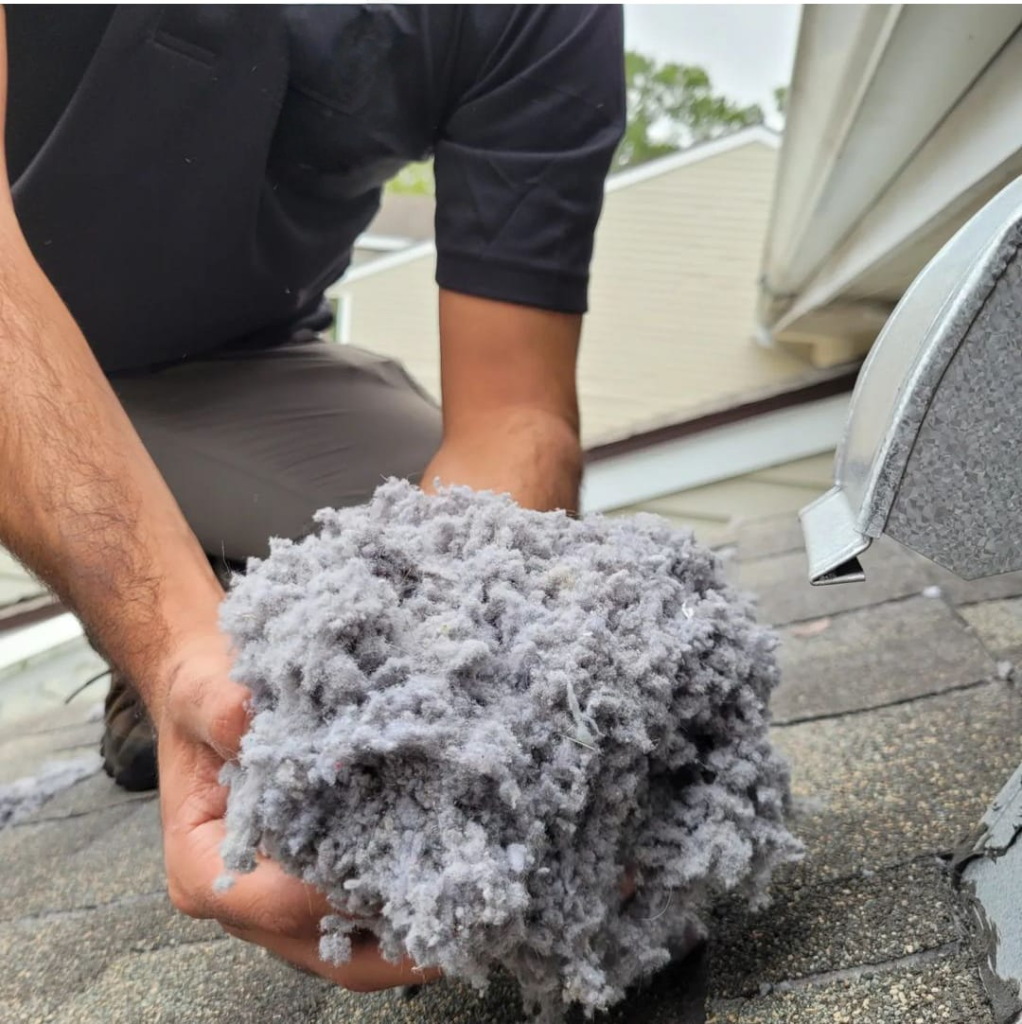
- Backdraft Damper Inspection: If your home features a roof-mounted vent, check for signs of Lint Snowing on the shingles, which technically indicates that the internal damper is failing to contain the exhaust particulates.
Pro-Tip Never use a screen or mesh over your exterior dryer vent to keep pests out. Technically, these screens catch lint almost immediately and will completely block your airflow within weeks. Use a code-compliant pest-guard specifically designed for dryer exhausts that allows for lint passage.

Conclusion
Maintaining a cleaner, safer dryer vent between professional visits in Tampa is a technical responsibility that pays dividends in safety and appliance longevity. By focusing on trap hygiene, managing humidity-induced condensation, and verifying exterior airflow, 2026 homeowners can significantly reduce their risk of Thermal Runaway and mechanical failure. However, even the most diligent DIY maintenance cannot reach the lint that adheres to the inner walls of a 20-foot vertical duct. At Superb Dryer Vent Cleaning, we provide the industrial-grade rotary equipment and diagnostic tools necessary to perform a total system restoration that DIY methods simply cannot achieve.
Staying proactive with your home’s ventilation is the key to a worry-free laundry routine. To keep your technical knowledge current on Florida’s fire safety codes and energy-saving tips, we invite you to browse our professional blog archive. If your dryer is still taking longer than 45 minutes to dry a load despite your maintenance efforts, it is time for a certified technical safety audit. You can review our commitment to mechanical excellence to see why we are the top-rated choice for dryer vent safety in the Tampa Bay area.
FAQ
How often should I clean my lint trap?
Technically, after every single load. However, you should also deep-clean the trap with soap and water every 6 months to remove invisible chemical films.
Can I use a vacuum to clean my own dryer vent?
A shop-vac is great for the Trap Slot and the transition hose. Technically, however, a vacuum cannot remove the Lint Sludge stuck to the interior walls of long duct runs.
Why does my laundry room feel like a sauna?
This is a technical sign of a Back-Draft. Your vent is so clogged that the hot, moist air is being forced out of the dryer’s seals and into your home.
Is it safe to use a leaf blower to clean my vent?
Technically, no. Leaf blowers can provide too much pressure, which can burst the joints of your ductwork inside the walls, leading to hidden lint leaks.
What should I do if my exterior vent flap is stuck?
Clean the hinges and remove any crusted lint. If it’s still stuck, it may be corroded by Tampa’s salt air and technically needs a replacement vent hood.
How do moisture sensors affect efficiency?
If sensors are dirty, the dryer technically thinks the clothes are still wet and keeps running. Cleaning them with alcohol can save you 10-15 minutes per cycle.
Does a shorter transition hose help?
Yes. Technically, every foot of hose adds Static Pressure. Keeping it as short and straight as possible maximizes your dryer’s blower motor efficiency.
Can I clean my vent from the roof myself?
It is technically dangerous without the right safety gear. Roof vents are also prone to Backdraft Damper clogs that require professional rotary tools to clear safely.
What is Lint Snow?
It is the visible lint that escapes the exterior vent and settles on the ground. Technically, this is a sign that your duct is over-saturated and shedding excess buildup.
How do I know if my maintenance is working?
The ultimate technical metric is Dry Time. If your towels dry in one 45-50 minute cycle, your maintenance is keeping the airflow within the safety window.