

In the 2026 Florida energy landscape, sustainability is no longer just a global goal; it is a localized technical priority. For residents in the Tampa metro area, the cumulative environmental impact of residential appliances is significant. The clothes dryer is technically one of the highest energy-consuming devices in the modern home, second only to the HVAC system. When a vent becomes restricted by lint and Florida’s Hygroscopic Sludge, the appliance’s efficiency plummets, leading to a direct increase in carbon emissions and localized heat pollution. At Superb Dryer Vent Cleaning, we view professional exhaust maintenance as a critical component of a green lifestyle. By restoring the technical efficiency of your exhaust path through certified residential cleaning, we help Tampa homeowners reduce their ecological footprint while lowering their dependency on the electrical grid.
Decarbonizing the Laundry Room: KWh Reduction and Grid Load
The primary environmental hazard of a clogged dryer vent is the Extended Duty Cycle. Technically, a dryer is engineered to remove a specific volume of water per Kilowatt-hour (KWh) of electricity. When airflow is restricted, the Evaporative Efficiency drops, forcing the unit to run for twice as long to achieve the same results. In a city like Tampa, where thousands of dryers operate daily, this unnecessary energy draw puts immense strain on the local power grid, which still relies partially on fossil fuel combustion. By performing a technical source removal, we enable the appliance to terminate its cycle at the earliest possible moment, directly preventing the emission of pounds of $CO_2$ per household annually.
- Energy Draw Mapping: We technically optimize your vent to ensure the dryer operates within its high-efficiency window, reducing average laundry-related energy waste by up to 30%.
- Peak Load Mitigation: By shortening dry times, households contribute less to Peak Demand surges on the Tampa electrical grid, which technically reduces the need for less efficient peaker power plants to activate.
- Metric-Based Sustainability: Restoring a vent to a 1,200 FPM (Feet Per Minute) airflow standard technically ensures that every watt of electricity is utilized for fabric drying rather than overcoming duct resistance.
Pro-Tip
A single household that cleans its dryer vent annually technically prevents the release of approximately 150 to 200 pounds of carbon dioxide per year. For commercial facilities in Tampa, this reduction is multiplied by the number of units, making it a cornerstone of corporate ESG (Environmental, Social, and Governance) goals.

Reducing Electronic Waste Through Mechanical Preservation
Environmentalism in 2026 also involves the Circular Economy the technical practice of extending the life of products to prevent them from entering landfills. Dryers that work against a clogged vent suffer from Thermal Overload, leading to the premature failure of heating elements, motors, and electronic control boards. Technically, the manufacturing and disposal of a modern dryer involve significant mineral mining and chemical processing. By maintaining a clear exhaust path, you are technically preventing the early death of your appliance, thereby reducing the environmental cost associated with the production and transportation of a replacement unit.
- Landfill Diversion: Regular cleaning technically extends the life of a dryer by 5 to 7 years, preventing the disposal of 150+ pounds of steel and plastic components into Florida’s waste management systems.
- Component-Level Sustainability: By reducing Thermal Stress, we protect the rare-earth metals found in modern dryer control boards and sensors from heat-induced failure.
- Toxic Byproduct Mitigation: Extending the lifespan of your appliance technically reduces the demand for new manufacturing, which decreases the industrial runoff and pollutants associated with appliance factories.
Pro-Tip
If your dryer requires a repair, always ensure the technician checks the vent first. Technically, replacing a part without cleaning the vent is a false fix that will lead to the new part failing shortly after, creating double the electronic waste. You can find more on this in our educational blog.
Indoor Air Quality and Localized Heat Pollution Control
A clogged dryer vent doesn’t just affect the global climate; it technically degrades your immediate local environment. In the Tampa area, restricted vents often leak hot, moist, and lint-filled air back into the home through gaps in the transition duct. This increases the Latent Heat Load on your air conditioning system. To compensate, your AC must run longer and harder to dehumidify and cool your living space, creating a secondary Energy Penalty. Furthermore, the release of microscopic microplastics and textile fibers into your indoor air poses a respiratory risk. Our technical cleaning process ensures a hermetically sealed exhaust path, protecting your home’s internal and external ecosystems.
- AC Synergy Optimization: By ensuring all heat is exhausted outdoors, we technically reduce your HVAC system’s energy consumption by preventing Internal Heat Gains during laundry cycles.
- Micro-Fiber Sequestration: Our high-volume extraction systems technically capture the fine particulates that would otherwise be released into your home or the surrounding Tampa foliage.
- Chemical-Free Cleaning: At Superb Dryer Vent Cleaning, we utilize mechanical agitation and compressed air, ensuring that no harsh chemicals are introduced into your home’s air supply or the local groundwater.
Pro-Tip
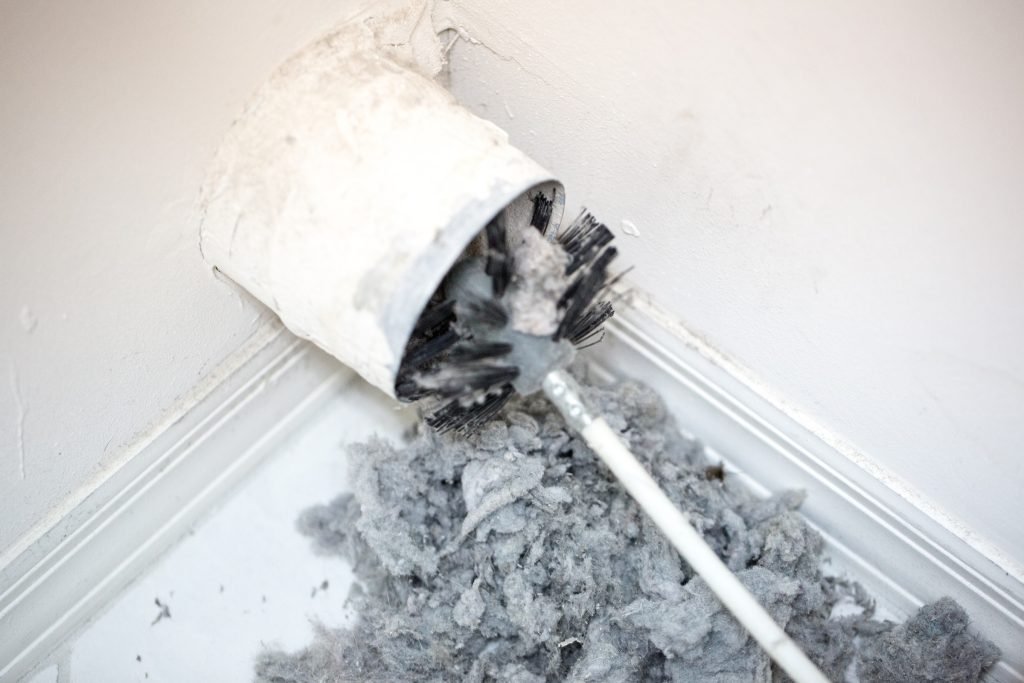
Check the area around your exterior vent hood. If you see a layer of lint on the grass or bushes, your system is technically shedding particulates due to poor airflow. This affects local soil quality and can be solved through certified vent restoration.
Conclusion
The environmental benefits of regular dryer vent cleaning in Tampa are a vital part of a 2026 sustainable lifestyle. By addressing the technical factors of energy draw, appliance longevity, and indoor climate control, you are making a measurable contribution to the health of the planet and the Florida ecosystem. At Superb Dryer Vent Cleaning, we are proud to provide the expert technical services that empower homeowners to go green through simple mechanical maintenance. A clear vent is not just a safety measure; it is a commitment to a more efficient and environmentally responsible home.
Taking a proactive approach to your home’s efficiency is the most effective way to protect our local environment. To stay informed on the latest green home technologies and energy-saving standards in the Tampa Bay area, you can explore our professional blog center for continuous updates. If you want to lower your home’s carbon footprint while improving appliance performance, securing a technical efficiency audit is the perfect starting point. You can discover more about our mission of sustainability to see how we help Tampa families breathe easier and live greener.
FAQ
Does dryer vent cleaning really lower my carbon footprint?
Yes. Technically, by reducing the drying time and KWh consumption of every load, you are directly decreasing the amount of fossil fuels burned to power your home.
How much energy can I save with a clean vent?
For the average Tampa household, a clean vent can technically reduce laundry-related energy usage by 30% to 50% by eliminating the need for second cycles.
Does a clogged vent affect my air conditioner?
Yes. Technically, a blocked vent leaks heat and humidity into your home, forcing your AC to work harder and use more energy to keep you cool.
What is the environmental cost of a new dryer?
The manufacturing of a new appliance involves massive energy use and the mining of metals. Technically, extending your current dryer’s life via cleaning is a form of Carbon Sequestration.
How does lint affect the local Tampa ecosystem?
Lint is often composed of synthetic fibers (microplastics). Technically, a poorly maintained vent can blow these fibers into your yard, where they enter the local soil and water.
Are chemicals used in the cleaning process?
No. Technically, we use mechanical brushes and high-pressure air, making it a 100% eco-friendly service that doesn’t introduce toxins into your air.
Can a Green home have a dirty dryer vent?
Technically, no. A home cannot be truly energy-efficient if its highest-drawing appliance is working against a 50% airflow restriction.
What is Duty Cycle and why does it matter for the environment?
The duty cycle is the time an appliance runs. Technically, shortening this cycle via a clean vent reduces the total electrical load on the Tampa power grid.
Does your company offer eco-friendly commercial plans?
Yes. We provide commercial dryer vent cleaning for businesses aiming to meet LEED or other green building certifications.
How do I know if my dryer is wasting energy?
The most common technical sign is extended dry times. If towels take over 50 minutes, you are technically wasting KWh and increasing your carbon emissions.