


A new dryer can solve plenty of appliance problems, but it does not automatically improve the exhaust system connected to it. Unless the vent was inspected or serviced during installation, the new machine may be using the same duct that handled years of lint from the previous dryer.
That distinction becomes important when a brand-new appliance does not perform as expected.
A Tampa resident once replaced an older dryer after assuming the appliance was responsible for increasingly long drying cycles. The new machine was installed correctly and produced heat normally, yet towels still needed more time than expected. Attention then shifted to the exhaust system. Inspection found lint accumulation farther inside the existing vent route. The appliance had changed, but the restriction it was exhausting through had not.
The practical lesson is simple: a new dryer and a clean dryer vent are two separate things.
If the previous vent history is unknown, professional cleaning and evaluation of the residential dryer exhaust route can help establish whether the new appliance is connected to a system that needs attention.
Check the Existing Vent Before Assuming Everything Is New
When a dryer arrives, most attention naturally goes to the appliance. The installer checks the electrical or gas connection as appropriate, positions the machine, attaches the exhaust connection, and confirms basic operation.
The concealed vent route may be much older.
In an established Tampa property, several dryers may have used the same exhaust duct over the years. Replacing the appliance does not remove lint that accumulated farther along that route.
This is particularly worth considering when the previous dryer was replaced because of slow performance. If longer drying times were the main complaint, there is a possibility that the vent contributed to the problem.
That does not mean every new dryer installation requires Clogged Dryer Vent Cleaning Tampa. If the vent has a documented maintenance history, performs properly, and shows no signs of restriction, unnecessary service provides little value.
The situation deserves more attention when nobody knows when the vent was last cleaned, the old dryer consistently needed extra cycles, or significant lint is visible around accessible components.
For a newly installed appliance connected to an older exhaust route, explore Tampa residential dryer vent inspection and maintenance options before assuming the appliance replacement addressed the complete drying system.
Make Sure the New Dryer Has Enough Room for the Vent Connection
A new dryer may not have exactly the same dimensions as the appliance it replaces.
Even a modest difference in depth can affect the space behind the machine. If the new dryer is pushed tightly against the wall, the transition duct may become compressed, sharply bent, or positioned differently from the previous connection.
This can create a problem immediately after installation.
One useful clue is timing. If the old dryer performed reasonably well and the new appliance develops slow drying from the first few loads, look at what changed during installation. The vent connection deserves attention along with the dryer settings and appliance setup.
From an accessible position, check whether the transition duct appears crushed or forced into a tight bend. Do not repeatedly pull the appliance in and out if doing so could damage utility or vent connections.
A professional Dryer Vent Cleaning evaluation should consider the condition of this connection as well as lint farther inside the route. Removing buildup will not correct a transition duct that is being physically compressed behind the appliance.
When the new dryer fits differently from the previous machine, professional residential vent evaluation can help identify connection and exhaust concerns before poor performance becomes accepted as normal.
Use the First Few Loads to Establish Normal Dryer Performance
The first loads through a new dryer provide a valuable baseline.
Rather than focusing on one exact drying time, notice how the appliance handles familiar laundry. Towels, everyday clothing, and bedding are particularly useful because you already have a general sense of how wet they are after washing and how much laundry normally goes into a load.
If the new dryer consistently leaves familiar loads damp, do not immediately assume the appliance is defective.
Check the basics first. Confirm that an appropriate cycle is being used, avoid overloading, clean the lint screen, and consider whether exhaust is reaching the exterior normally. If those simple factors do not explain the problem, the existing vent becomes part of the troubleshooting process.
This is where Dryer Vent Maintenance Tampa after appliance replacement can be particularly useful. Establishing normal performance early gives you something to compare against later. If drying times gradually increase months or years after installation, the change becomes easier to recognize.
Residents who notice unexplained performance problems immediately after installation can schedule a professional dryer vent evaluation instead of assuming that a new appliance must automatically be working through a clear exhaust route.
New appliances sometimes arrive as part of a larger kitchen or laundry renovation. If remodeling has also left grease and construction residue around kitchen exhaust equipment, professional kitchen range hood cleaning and maintenance addresses that separate system independently from the dryer vent.
Check the Exterior Vent While the New Dryer Is Running
Once the new dryer is operating, the exterior termination can provide another useful clue about the installation.
Depending on the vent design, the exterior flap or louvers should respond as exhaust reaches the outlet. If the new dryer is running but the exterior cover barely moves, the exhaust path deserves attention.
That does not automatically mean there is a clog.
A weak exterior exhaust could be related to lint inside the existing vent, a compressed transition connection behind the new appliance, an obstructed exterior cover, or another installation or appliance issue. The outside vent provides a clue, not a complete diagnosis.
A Tampa service call illustrated this well. A resident had replaced an older dryer and expected noticeably better performance. The new appliance ran normally, but the exterior flap showed very little movement and heavy towels remained damp after the expected cycle. The connection directly behind the machine looked acceptable. Further evaluation found accumulated lint deeper in the existing exhaust route.
The practical takeaway was that the installation itself was not necessarily the problem. The new dryer had simply been connected to a vent condition that already existed.
If exterior exhaust appears unusually weak after installation, professional cleaning and evaluation of the residential vent route can help identify whether the restriction is near the appliance or farther inside the system.
Do Not Assume the Installer Cleaned the Existing Dryer Vent
Dryer installation and dryer vent cleaning are separate jobs.
An installer may connect the appliance to the existing exhaust opening and verify that the machine operates. Unless vent cleaning was specifically included, property owners should not assume that accumulated lint throughout the concealed route was removed during installation.
This distinction becomes particularly important when replacing a dryer in an older property.
The visible connection may be new while the main exhaust route has served several previous appliances. If nobody can provide a recent maintenance history, the new dryer may be connected to years of accumulated material that cannot be seen from the laundry room.
Ask what was actually performed during installation. Was only the transition connection replaced? Was the existing vent inspected? Was the exterior termination checked? Was the concealed route professionally cleaned?
Clear answers prevent assumptions.
For Residential Dryer Vent Cleaning Tampa, understanding what the installer did helps determine whether additional vent service is actually necessary.
If the installation paperwork does not mention the exhaust route beyond the appliance connection, review Tampa-area dryer vent maintenance options when other signs suggest the existing system may need attention.
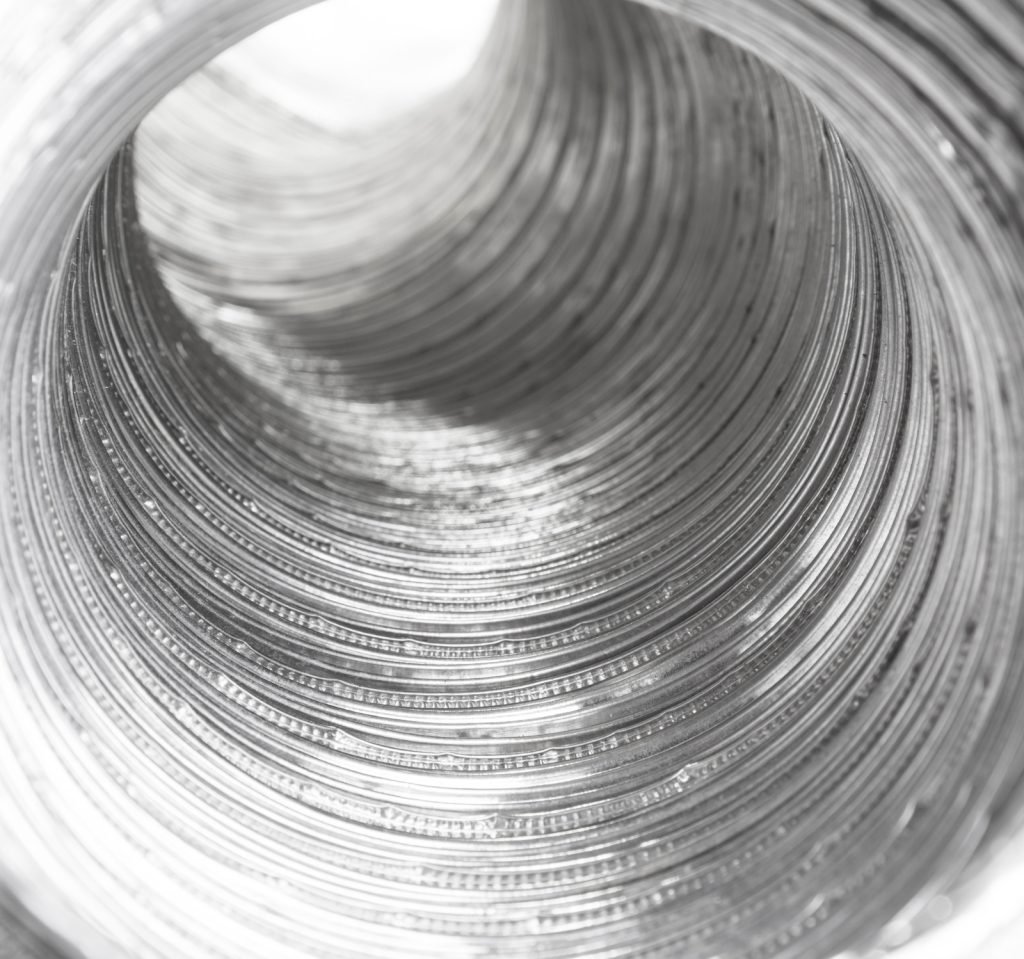
A New Transition Duct Does Not Mean the Full Exhaust Route Is Clear
It is common to replace the short transition duct when installing a new dryer. That can be a sensible part of the installation, especially if the previous connection was damaged or no longer suitable.
The important point is that this short section is only one part of the exhaust system.
Once the connection enters the wall or other concealed area, the main vent may continue for several feet before reaching outside. Lint inside those sections remains there unless the route itself is cleaned.
This can create a misleading situation. The area behind the new appliance looks spotless, the connection is brand new, and the lint screen is clean. Yet drying performance remains poor because the restriction exists farther downstream.
That is when Clogged Dryer Vent Cleaning Tampa should focus on the complete route rather than repeatedly checking the newest and easiest section to reach.
The same principle applies when the laundry area has been remodeled around the new appliance. Fresh finishes can make the entire installation look new even when concealed vent sections were retained from the previous layout.
When the age of the hidden route is uncertain, schedule a focused dryer vent assessment to determine whether the new connection leads into an exhaust system that still needs attention.
New Dryer Technology Does Not Eliminate Vent Maintenance
Modern dryers may include moisture sensors, automatic cycles, performance alerts, and other features that older appliances did not have. Those features can make laundry more convenient, but they do not eliminate the need for a functioning exhaust route on a vented dryer.
The appliance still needs to move warm, moisture-laden air through the vent and outside.
If that route becomes restricted, changing settings or relying on automatic cycles does not physically remove accumulated lint from the duct.
This is why Dryer Vent Maintenance Tampa remains relevant after upgrading the appliance. The dryer may be new, but the basic relationship between the appliance and its exhaust system remains important.
It is also useful to avoid treating every alert or longer cycle as proof of a clogged vent. Manufacturer messages, installation issues, load size, settings, and appliance problems can all affect performance. The vent should be evaluated as one part of the complete system.
Property owners can explore professional dryer vent solutions for Tampa residences when a new appliance continues showing unexplained drying or exhaust problems.
If the new dryer was installed during a broader property renovation, other exhaust equipment may deserve separate attention as well. Professional kitchen range hood cleaning after remodeling or appliance upgrades addresses cooking exhaust independently from dryer vent maintenance.
Watch for Performance Problems That Continue After Installation
A new dryer should give you an opportunity to establish a fresh performance baseline. If the same drying problem that affected the previous appliance continues, the vent deserves closer attention.
Suppose the old dryer regularly needed two cycles for towels. After replacement, the new machine produces heat and tumbles normally, but those same towels still come out damp. Two different appliances showing a similar pattern makes it reasonable to investigate something they share, including the exhaust route.
That does not prove the vent is responsible. Washer spin performance, load size, settings, and other factors can affect drying time too.
The useful clue is persistence.
Technicians sometimes arrive after an appliance has already been replaced because the owner expected a new dryer to solve a long-standing performance problem. When accumulated material is later discovered in the exhaust route, it becomes clear why changing the appliance alone did not produce the expected improvement.
For persistent problems after installation, professional residential dryer vent cleaning and evaluation can help determine whether the existing exhaust system is contributing to the issue.
Check the Vent Again if the Dryer Is Repositioned After Installation
The dryer may be installed correctly on the first day and moved again shortly afterward.
This happens when flooring work is completed, cabinetry needs adjustment, a utility connection requires attention, or the owner simply wants the appliance positioned closer to the wall. Each movement can change the transition connection behind the machine.
A duct that had adequate space during installation can become compressed when the dryer is pushed backward several more inches.
If performance changes immediately after the appliance is repositioned, the timing is useful. Before assuming the vent suddenly developed heavy lint buildup, consider what physically changed around the dryer.
This is an important distinction in Dryer Vent Maintenance Tampa. Cleaning addresses accumulated material. It does not correct a connection that has been crushed or sharply bent by appliance placement.
After moving a newly installed dryer, check the accessible connection when it can be done safely and pay attention to the next few loads.
If the new position appears to be affecting exhaust performance, schedule an evaluation of the dryer connection and vent route rather than repeatedly pulling the appliance forward and pushing it back.
Cleaning the Existing Vent Can Establish a Useful Maintenance Baseline
When a new dryer is installed into a property with no reliable vent service history, establishing a known baseline can simplify future maintenance.
This does not mean every appliance replacement automatically requires Dryer Vent Cleaning. If the exhaust route was recently serviced and performs properly, repeating the work without evidence may provide little benefit.
The situation is different when nobody knows when the duct was last cleaned.
A professional evaluation can identify whether accumulated material is present and provide a documented starting point for the new appliance. From then on, the owner can monitor normal drying performance and make future maintenance decisions based on actual changes.
For example, if a typical towel load performs predictably after the new dryer and vent have both been evaluated, a significant increase in drying time later becomes much easier to recognize.
That is more useful than trying to determine whether a future problem came from the new dryer, old lint, or years of unknown maintenance.
For Residential Dryer Vent Cleaning Tampa, appliance replacement is therefore a practical opportunity to understand the existing exhaust system, particularly when the previous dryer had performance problems.
Property owners can review local dryer vent maintenance options for Tampa homes when deciding whether establishing that baseline makes sense for their installation.
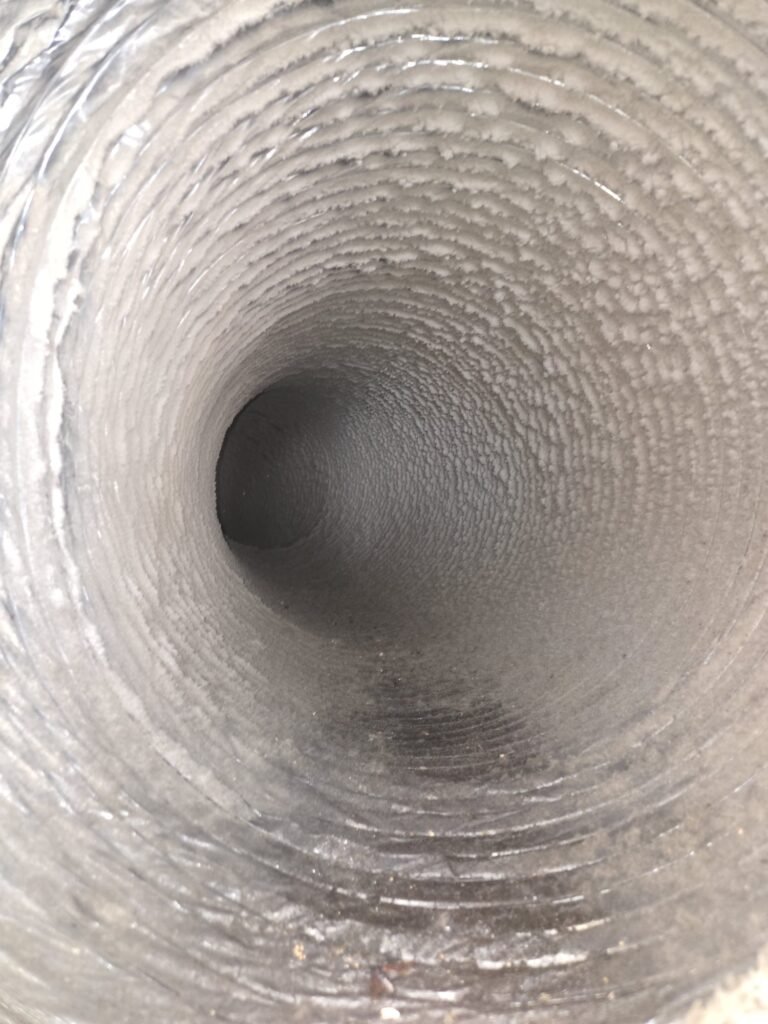
Know When the Problem May Be the Appliance Instead of the Vent
A clear dryer vent cannot correct every problem with a new appliance.
If the exhaust route has been evaluated, the connection is properly positioned, the exterior termination is functioning normally, and drying performance is still poor, the dryer itself or another part of the laundry setup may need attention.
This is why professional troubleshooting should avoid automatically recommending Clogged Dryer Vent Cleaning Tampa whenever someone reports damp clothing.
A new appliance can have an installation issue. Settings may not be appropriate for the load. The washer may be leaving fabrics wetter than expected. In other situations, appliance service may be necessary.
The goal is to separate those possibilities.
The same principle applies in business settings. Installing new laundry equipment does not automatically clear an existing exhaust route, but Commercial Dryer Vent Cleaning Tampa should only be recommended when the actual commercial system and its condition justify it.
When a new dryer continues performing poorly after the vent has been checked, the next step may be appliance evaluation rather than repeated vent cleaning.
Residents can explore Tampa dryer vent services and maintenance guidance to understand where vent care fits into the broader troubleshooting process.
If appliance installation was part of a larger kitchen or utility-room project, remember that other exhaust systems require their own maintenance. Professional kitchen range hood cleaning and care address cooking grease and residue separately from the dryer exhaust.
Give the New Dryer a Clear Exhaust Path From the Start
Installing a new dryer is a good opportunity to stop treating the appliance and vent as separate maintenance histories. Before settling into normal laundry use, confirm what happened to the existing exhaust system during installation.
Start with the accessible connection. Make sure the new appliance has enough space behind it and that the transition duct has not been compressed by the final positioning. Pay attention to the first several loads, particularly familiar items such as towels and bedding. When the exterior termination is safely accessible, observe whether it responds normally while the dryer operates.
If the previous appliance suffered from slow drying and the same problem continues with the replacement, the existing vent deserves particular attention. A new dryer cannot remove lint that was already inside a concealed exhaust route.
For systems with an unknown maintenance history, explore professional residential dryer vent cleaning and evaluation to determine whether the new appliance is exhausting through accumulated material or another restriction.
Superb Dryer Vent Cleaning serves properties throughout Tampa, and residents can review local dryer vent solutions for newly installed appliances when establishing a maintenance baseline for the new setup.
If the appliance installation was part of a larger remodeling project, other exhaust equipment may need separate attention. Explore professional kitchen range hood cleaning and maintenance when renovation work or accumulated cooking residue has affected the kitchen exhaust system.
The supplied local business profile and customer feedback can also help Tampa residents review Superb Dryer Vent Cleaning’s local experience before arranging professional service.
The key with Dryer Vent Cleaning Tampa, FL, after a new dryer installation is not to assume that either the appliance or vent is responsible for every performance issue. Check what changed, understand what remained from the previous installation, and use actual drying performance to guide the next step. Starting with a known exhaust condition makes future Dryer Vent Maintenance Tampa much easier to manage.
If the new dryer still shows unexplained performance problems, schedule a professional evaluation of the existing vent route.
Frequently Asked Questions
Should I clean the dryer vent when installing a new dryer?
Not automatically. If the vent was recently serviced and is performing properly, additional cleaning may not be necessary. Cleaning becomes more relevant when the maintenance history is unknown, the previous dryer had performance problems, or inspection suggests accumulated material.
Does a dryer installer normally clean the entire vent?
Do not assume so. Installing the appliance and professionally cleaning the concealed exhaust route are separate tasks. Ask exactly what was included with your installation.
Why is my brand-new dryer taking too long to dry clothes?
The vent is one possible cause, but it is not the only one. Check load size, cycle settings, lint-screen condition, the transition connection, and exterior exhaust. Appliance or installation problems may also need to be considered.
Can lint from my old dryer remain in the vent after replacement?
Yes. Replacing the appliance does not remove material already inside the existing exhaust duct. The new dryer may connect to the same vent route used by previous appliances.
What should I check behind a newly installed dryer?
When safely visible, check that the transition connection is not obviously crushed, sharply bent, loose, or squeezed between the appliance and wall. Avoid repeatedly moving the dryer if doing so could damage utility connections.
Should the exterior vent be checked after installing a dryer?
Yes, when it can be observed safely. The exterior termination can provide useful clues about whether exhaust is reaching the outlet. Weak movement does not diagnose a clog by itself, but it can justify further evaluation when combined with poor drying performance.
Can a new dryer work poorly because of an old vent connection?
Yes. A new appliance may be connected to an older transition or concealed exhaust route. If that system is restricted, damaged, or poorly configured, dryer performance may be affected even though the appliance itself is new.
When should I consider Dryer Vent Cleaning Tampa, FL after installation?
Consider professional evaluation when the vent has an unknown maintenance history, the previous and new dryers both experience slow drying, exterior exhaust appears weak, or visible lint and connection problems raise concerns.
Does a new transition duct mean the whole dryer vent is clean?
No. The transition duct behind the appliance represents only a small portion of the exhaust system. Lint can remain in concealed sections between the laundry room and exterior termination.
Is Residential Dryer Vent Cleaning Tampa different after installing a new appliance?
The basic cleaning purpose remains the same, but a new installation provides an opportunity to check appliance positioning, the transition connection, existing vent condition, and initial drying performance together. For commercial equipment, Commercial Dryer Vent Cleaning Tampa should instead reflect the facility’s specific installation and usage.