


Every homeowner wants a safe, efficient, and healthy home. Yet one of the most overlooked maintenance tasks in Tampa is dryer vent cleaning. Many residents assume that clearing the lint filter is enough, but the truth is that lint builds up deep inside the vent system over time. This accumulation reduces airflow, forces the dryer to work harder, increases energy costs, and creates a serious fire hazard. Tampa’s warm, humid climate only increases the risk because moisture combines with lint to form heavy blockages.
Whether you live in a single-family home, townhouse, or apartment, keeping your dryer vent clean is essential for fire prevention and overall indoor safety. This guide explores the smartest dryer vent cleaning tips Tampa homeowners rely on to protect their property. For readers who want to explore related topics, resources similar to detailed dryer vent efficiency tips offer additional insights for long-term home care.
Why Dryer Vent Cleaning Matters in Tampa
With Tampa’s climate, dryer vents naturally accumulate more moisture and lint than in drier regions. Humidity causes lint to clump together inside the vent, leading to restricted airflow. When a dryer struggles to push moist air out, internal temperatures rise, and the risk of overheating increases.
Core reasons dryer vent cleaning is essential in Tampa:
- High humidity is causing heavy lint buildup
- Greater strain on dryers during hot seasons
- Increased risk of mold inside vents
- Higher energy consumption due to restricted airflow
- Significant fire hazard from overheated dryer systems
Homeowners looking for deeper information on ventilation behavior can find clarity in topics such as professional ventilation care information.
Tip 1: Clean the Lint Trap Before Every Cycle
The lint trap serves as the first line of defense against lint buildup. If lint remains in the trap, it gets pulled into the dryer vent where it can accumulate and eventually block airflow.
Why this matters:
- Improves drying efficiency
- Prevents lint from entering the vent system
- Reduces dryer run times
- Minimizes overheating
- Decreases energy usage
This simple habit takes seconds but significantly improves safety. For further reading about household airflow maintenance, internal content similar to home safety maintenance resources can be helpful.
Tip 2: Inspect the Vent Opening Outside the Home
The exterior vent is often the first place where Tampa homeowners notice vent blockages. If the vent flap barely opens or if lint piles up around it, airflow is restricted.
Warning signs include:
- Weak airflow from the vent
- Visible lint around the exterior opening
- Flap not opening fully
- Hot, humid air lingering near the vent
These signs show the vent needs immediate cleaning. For readers wanting to understand airflow behavior in different property types, materials similar to residential vent performance details can provide clarity.
Tip 3: Watch for Unusual Dryer Performance Changes
A dryer that takes longer to dry clothes or becomes unusually hot is signalling restricted airflow. Tampa homeowners should never ignore these early warnings.
Red flags include:
- Clothes are still damp after a full cycle
- Burning smell during operation
- Dryer shutting off unexpectedly
- Overheating exterior surfaces
- Increased lint inside the drum
Dryers are designed to communicate performance issues long before they become dangerous. More information on performance concerns can be found in internal resources like preventive airflow protection notes.
Tip 4: Deep Clean the Dryer Hose Regularly
Many homeowners clean the lint trap but forget about the dryer hose. This flexible tube collects lint quickly, especially in humid conditions.
Cleaning benefits:
- Removes hidden lint pockets
- Improves appliance lifespan
- Restores proper airflow
- Reduces fire hazard
- Maintains dryer efficiency
A well-maintained hose ensures the vent system stays clear. Those who want to explore more about internal ventilation structures can refer to topics linked to system airflow enhancement notes.
Tip 5: Schedule Regular Professional Dryer Vent Cleaning
Professional cleaning removes lint buildup deep inside the vent, far beyond what homeowners can reach. Experts use specialized tools to clean long duct runs, bends, and narrow spaces.
Why Tampa homeowners should schedule regular cleaning:
- Ensures thorough lint removal
- Detects hidden blockages
- Improves fire safety
- Supports energy efficiency
- Protects the dryer from overheating
For those interested in commercial cleaning or multi-unit property solutions, internal references like ventilation care for larger systems may be useful.
Tip 6: Check for Mold and Moisture Buildup
Humidity makes mold a real concern inside dryer vents. When moist lint remains trapped, it becomes a perfect environment for mold growth.
Signs of moisture or mold include:
- Sour or musty odors
- Visible discoloration around the vent
- Water dripping from the hose
- Condensation inside the dryer
Homeowners wanting more details on moisture behavior can explore internal material such as vent moisture assessment guides.

Tip 7: Ensure Proper Vent Length and Installation
Many homes in Tampa have vents that are too long, poorly connected, or filled with unnecessary bends. These design flaws trap lint and reduce airflow.
Problems with poor vent design:
- Higher risk of fire
- Slower drying times
- Increased lint buildup
- Excessive dryer heat
- Blocked airflow
Correcting these issues significantly improves safety. More guidance on installation and system layout can be found in topics similar to vent placement improvement information.
Tip 8: Use the Correct Vent Materials
Thin, foil-like hoses collapse easily and trap lint. Fire-resistant materials are safer for Tampa homes.
Recommended materials:
- Rigid metal ducts
- Semi-rigid metal hoses
- UL-listed venting systems
These options resist crushing, reduce lint buildup, and support safe airflow.
Tip 9: Improve Indoor Ventilation Around the Dryer
If the laundry room has poor ventilation, heat and moisture accumulate, which affects both the dryer and the vent system.
Improve airflow by:
- Opening windows during drying
- Installing small exhaust fans
- Avoiding clutter around the dryer
- Ensuring proper clearance behind the appliance
Improved ventilation keeps the vent system healthier and reduces strain on the dryer.
Conclusion
Dryer vent cleaning may seem like a simple task, but for Tampa homeowners, it is a crucial responsibility that directly impacts home safety and appliance performance. Tampa’s warm, humid environment accelerates lint buildup, increases moisture levels, and raises fire risk when vents are not properly maintained. By cleaning the lint trap regularly, inspecting the exterior vent, monitoring dryer performance, and scheduling professional cleaning, homeowners protect their families, their property, and their appliances.
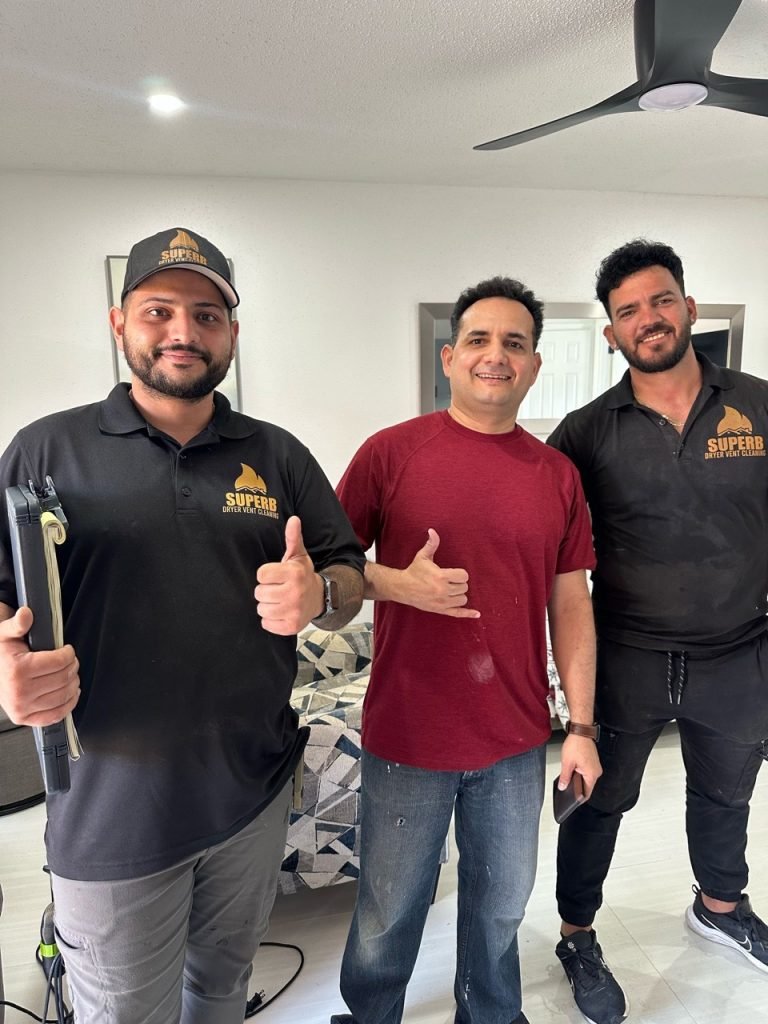
For deeper guidance on long-term home safety, internal material connected to dryer vent care topics can help explain how airflow, humidity, and maintenance habits interact. When expert support becomes necessary, the team at Superb Dryer Vent Cleaning is available through communication pathways offered on the website, where homeowners can request assistance, explore professional cleaning options, and access thoughtful help for safer living.
Common Questions Tampa Homeowners Ask
1. How often should dryer vents be cleaned in Tampa?
At least once a year, or more often in humid conditions.
2. Why does my dryer take longer to dry clothes?
Restricted airflow from lint buildup is the most common cause.
3. Can clogged vents cause fires?
Yes, overheating from blocked vents is a major household fire risk.
4. Why does my vent smell musty?
Moisture trapped with lint often leads to mold.
5. Do I need professional cleaning if I clean the lint trap daily?
Yes, lint deeper inside the vent still accumulates.
6. Can long vents increase risk?
Absolutely. Longer vents trap more lint and restrict airflow.
7. Are foil ducts safe?
No. Metal ducts are safer and more efficient.
8. What happens if I ignore a clogged vent?
Higher bills, overheating, mold, and fire risk.
9. Can I inspect the outside vent myself?
Yes, but internal vent cleaning requires professional tools.
10. Does vent cleaning improve appliance lifespan?
Yes. Reduced strain keeps the dryer running efficiently for years.