

Most homeowners expect their dryer to perform consistently every time they do laundry. When clothes come out dry, cycles finish on time, and the appliance appears to be operating normally, few people give much thought to the vent system working behind the scenes. However, a dryer vent system plays a critical role in removing heat, moisture, and lint from the appliance. When airflow becomes restricted, the entire drying process can become less efficient.
One challenge is that dryer vent problems often develop gradually. Unlike a sudden appliance failure, airflow restrictions and vent performance issues tend to worsen over time. Homeowners may slowly adapt to longer drying cycles or warmer laundry rooms without realizing that the vent system is struggling to function properly.
A dryer vent system that works harder than it should often shows subtle warning signs before major performance issues develop. These signs may include increased drying times, excessive heat, unusual odors, higher energy usage, or changes in airflow. Identifying these symptoms early can help homeowners address underlying concerns before they affect efficiency and convenience.
Many homeowners looking to better understand dryer performance often explore professional dryer vent cleaning solutions for safer and more efficient homes, to learn how airflow impacts daily laundry routines.
Understanding the warning signs of a struggling dryer vent system can help homeowners maintain better airflow, support appliance efficiency, and avoid unnecessary performance problems in the future.
Why Dryer Vent Performance Matters More Than Most Homeowners Realize
A dryer depends on proper airflow to function efficiently. During operation, warm air circulates through clothing, absorbs moisture, and carries that moisture through the vent system to the outside of the home. This process may seem simple, but it relies entirely on unrestricted airflow.
When airflow is reduced, the dryer must work harder to remove moisture from clothing. Even small restrictions can affect overall performance. Over time, this additional workload can lead to noticeable changes in drying efficiency and convenience.
Many homeowners focus on the dryer itself when performance changes occur. However, the vent system often plays an equally important role. A healthy vent system helps maintain efficient moisture removal, supports proper airflow, and allows the appliance to operate as intended.
Because vent systems are usually hidden behind walls or utility spaces, problems often remain unnoticed until symptoms become more obvious. By paying attention to early warning signs, homeowners can identify airflow concerns before they significantly affect dryer performance.
Those interested in understanding the importance of dryer vent maintenance often review helpful dryer vent safety resources and homeowner maintenance articles to learn more about protecting airflow and efficiency. Maintaining proper vent performance helps support consistent drying results and long-term appliance reliability.
Common Warning Signs That Your Dryer Vent System Is Under Strain
Many airflow restrictions begin with subtle changes that are easy to overlook. Recognizing these signs early can help homeowners respond before larger problems develop.
Common warning signs include:
- Clothes are taking longer to dry
- Damp laundry after a complete cycle
- Increased heat around the dryer
- Excessive heat in the laundry room
- Reduced airflow outside the home
- Rising energy consumption
- Frequent need for additional drying cycles
While any single symptom may not immediately indicate a major issue, multiple signs appearing together often suggest that the vent system is working harder than normal.
Many homeowners initially assume their dryer is aging or becoming less effective. In reality, airflow restrictions within the vent system are frequently responsible for declining performance.
Paying attention to these warning signs helps homeowners address airflow concerns before they become more serious. Early action often leads to simpler solutions and improved dryer efficiency.
Homeowners experiencing performance changes frequently explore professional dryer vent cleaning services designed to restore airflow and improve efficiency to better understand the causes of reduced dryer performance. Recognizing these symptoms early can help prevent unnecessary frustration and wasted energy.
Why Longer Drying Cycles Often Signal Airflow Restrictions
One of the most common indicators of a struggling dryer vent system is an increase in drying time. When clothes that once dried in a single cycle suddenly require additional time, airflow restrictions are often involved.
Dryers rely on moving warm, moist air out of the appliance and through the vent system. If airflow becomes restricted, moisture remains inside the dryer for longer periods. This makes it more difficult for clothing to dry efficiently.
Because drying performance often declines gradually, homeowners may not immediately notice the change. They may simply begin selecting longer cycles or running the dryer multiple times without realizing airflow is becoming restricted.
Longer drying cycles not only affect convenience but may also increase wear on the appliance. The longer a dryer operates, the harder its components must work to achieve the same result.
Homeowners who notice extended drying times often benefit from evaluating the condition of their vent system. Identifying airflow concerns early can help restore efficiency and improve drying performance.
Many homeowners seeking to improve airflow often review professional guidance and dryer vent maintenance recommendations from experienced service professionals to better understand the relationship between airflow and drying efficiency. Longer drying cycles should never be ignored because they often indicate that the vent system is no longer operating at peak performance.
Physical Signs Around the Dryer That Should Not Be Ignored
In addition to performance changes, many dryer vent issues create visible or noticeable signs around the appliance itself.
Homeowners should watch for:
- Excessively warm dryer surfaces
- Hot laundry room conditions
- Increased humidity indoors
- Burning or musty odors
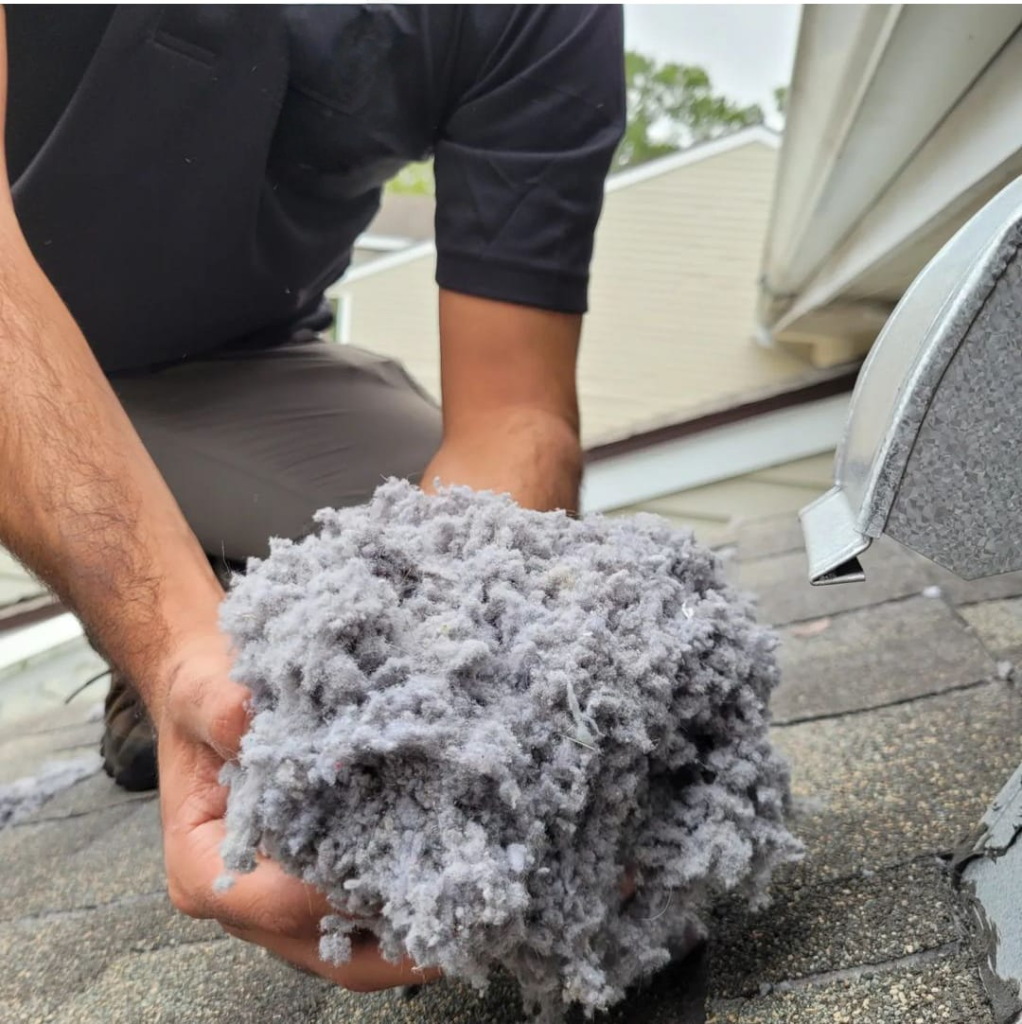
- Excess lint accumulation
- Unusual airflow patterns
- The dryer exterior is becoming hotter than normal
These symptoms often indicate that heat and moisture are not leaving the system as efficiently as intended. When airflow becomes restricted, heat may remain trapped within the dryer or the surrounding area for longer periods.
Many homeowners notice these changes without realizing they are related to vent performance. Because the appliance may still appear functional, airflow restrictions often continue unnoticed.
Regularly observing how the dryer behaves during operation can help identify developing concerns. Small changes often provide valuable clues about overall vent system health.
Those interested in learning more about airflow-related performance concerns often review helpful dryer vent maintenance articles and homeowner safety resources to better understand warning signs associated with restricted airflow. Recognizing physical symptoms early helps homeowners respond before efficiency declines further.
How Hidden Vent Blockages Affect Everyday Dryer Performance
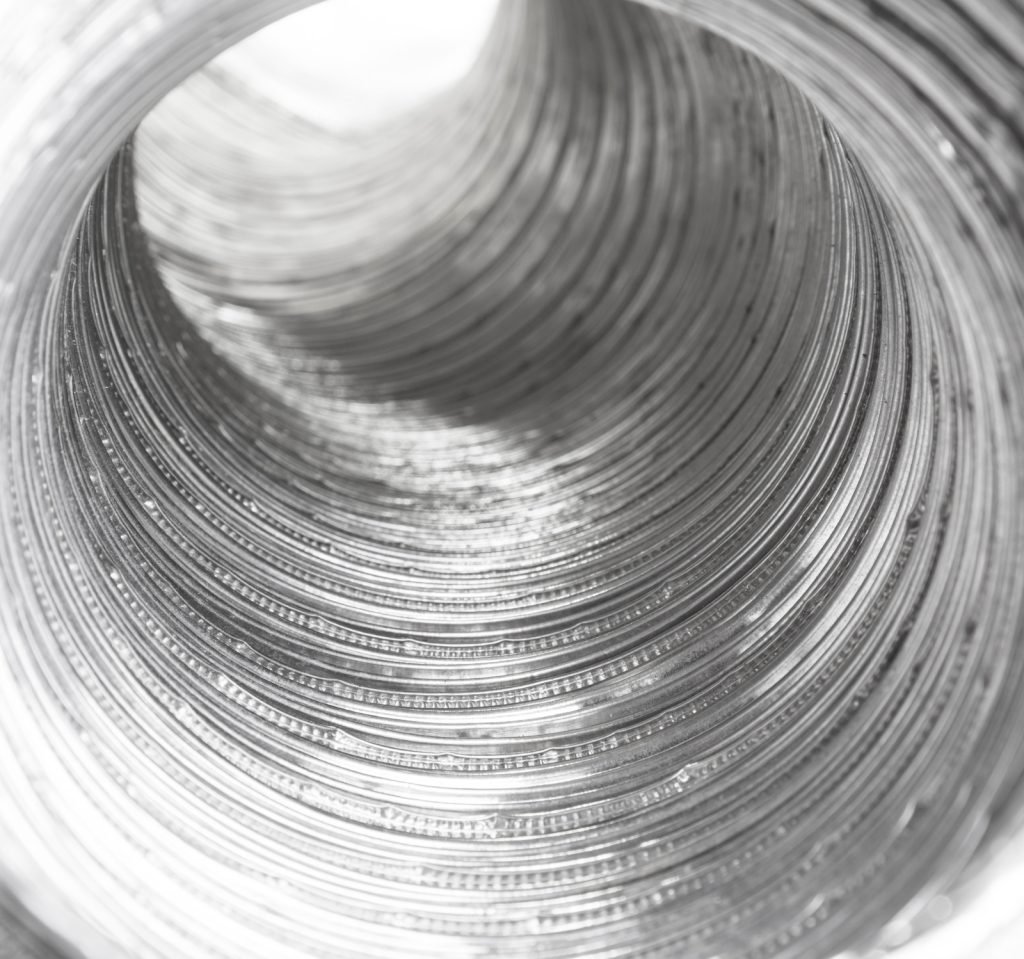
Many dryer vent restrictions occur in areas that homeowners cannot easily see. Hidden sections of ductwork may gradually accumulate lint or experience airflow limitations that affect overall performance.
Because these restrictions develop out of sight, homeowners often remain unaware until drying efficiency begins to decline significantly. Hidden blockages may occur within wall cavities, attic spaces, long vent runs, or difficult-to-access sections of ductwork.
As airflow decreases, moisture removal becomes less effective. The dryer must compensate by running longer cycles and working harder to achieve the same results.
Even partial blockages can have a noticeable impact on drying performance. What begins as a minor airflow restriction may gradually become a larger issue if left unaddressed.
Homeowners frequently focus on visible maintenance tasks while overlooking the hidden components that support airflow. Understanding how hidden restrictions affect dryer performance can help encourage more proactive maintenance practices.
Many homeowners seeking improved airflow often explore professional dryer vent cleaning solutions designed to address hidden airflow restrictions to learn more about maintaining healthy vent systems. Healthy airflow throughout the entire vent pathway remains essential for efficient dryer operation.
Problems That Can Cause a Dryer Vent System to Work Harder
Several conditions can contribute to increased workload within a dryer vent system.
Common causes include:
- Lint accumulation
- Damaged duct sections
- Improper vent installation
- Crushed vent materials
- Exterior vent obstructions
- Excessively long vent runs
- Loose or disconnected components
Each of these issues may restrict airflow and reduce drying efficiency. As restrictions increase, the dryer must operate longer to remove moisture effectively.
Many homeowners assume vent systems remain unchanged over time. In reality, vent conditions can gradually evolve as lint accumulates, materials age, or environmental conditions affect performance.
Understanding these causes helps homeowners recognize why vent maintenance remains important even when the dryer appears to be functioning normally.
Homeowners seeking to better understand common airflow challenges often explore information about experienced dryer vent professionals and maintenance practices to learn more about supporting efficient dryer operation. Addressing underlying causes helps reduce unnecessary strain on both the vent system and the appliance.
Why Early Detection Can Help Prevent Larger Vent Issues
One of the greatest advantages of recognizing dryer vent warning signs early is the opportunity to address concerns before they become more significant.
Minor airflow restrictions often develop slowly. When identified early, they are typically easier to manage and less likely to affect dryer performance dramatically.
Homeowners who monitor drying times, airflow quality, and appliance behavior are often better positioned to identify developing issues before efficiency declines substantially.
Early detection also supports better maintenance planning. Rather than waiting for major performance problems to appear, homeowners can respond proactively when warning signs first emerge.
This approach helps preserve dryer efficiency, supports consistent drying performance, and reduces the likelihood of ongoing airflow concerns.
Those seeking professional guidance often explore professional dryer vent assistance and maintenance support services to better understand how preventative care supports long-term dryer performance. Recognizing problems early often results in better outcomes and fewer disruptions to daily routines.
Practical Steps Homeowners Can Take to Support Better Vent Performance
While professional maintenance remains important, homeowners can take several simple steps to help support healthy dryer vent performance.
Helpful practices include:
- Cleaning the lint screen after every load
- Monitoring drying cycle duration
- Checking exterior vent airflow
- Watching for unusual heat buildup
- Scheduling routine inspections
- Keeping laundry areas clean
- Responding quickly to performance changes
These habits help homeowners stay aware of developing airflow concerns while supporting better overall vent performance.
Consistent maintenance practices often reduce the likelihood of severe airflow restrictions and help identify issues before they become more serious.
When combined with professional dryer vent care, these simple steps contribute to more efficient operation and improved long-term reliability.
Homeowners interested in maintaining healthy airflow often explore professional dryer vent support and maintenance services for long-term efficiency to learn more about protecting dryer performance. A proactive approach remains one of the most effective ways to support healthy dryer vent operation.
Conclusion
A dryer vent system rarely stops performing efficiently without first providing warning signs. Longer drying times, excessive heat, reduced airflow, unusual odors, and increased energy usage often indicate that the system is working harder than it should. While these symptoms may seem minor at first, they frequently point to underlying airflow restrictions that deserve attention.
Understanding these warning signs allows homeowners to take a proactive approach to dryer vent maintenance. By recognizing changes in dryer performance early, it becomes easier to address airflow concerns before they lead to larger efficiency problems. Regular observation, preventative maintenance, and professional inspections all play important roles in supporting long-term dryer performance.
A healthy vent system helps remove moisture effectively, supports consistent drying results, and allows the dryer to operate more efficiently. Homeowners who remain attentive to early warning signs are often better positioned to maintain reliable appliance performance and avoid unnecessary disruptions.
Learn more about professional dryer vent cleaning solutions for safer and more efficient homes, browse helpful dryer vent maintenance articles and safety resources, discover the experience behind trusted dryer vent service professionals, or request professional dryer vent assistance and maintenance support today.
FAQ
What are the first signs of a dryer vent problem?
Longer drying times, reduced airflow, excessive heat, and damp clothes are common early warning signs.
Why is my dryer taking longer to dry clothes?
Airflow restrictions within the dryer vent system are often a leading cause of longer drying cycles.
Can a dryer vent affect energy usage?
Yes. Restricted airflow may cause the dryer to run longer and consume more energy.
What causes dryer vent airflow restrictions?
Lint buildup, damaged ductwork, improper installation, and exterior obstructions are common causes.
Should I be concerned if my laundry room feels hotter than usual?
Excessive heat may indicate that the vent system is not removing air efficiently.
How often should dryer vents be inspected?
Regular inspections help identify airflow concerns before they significantly affect performance.
Can hidden blockages reduce dryer efficiency?
Yes. Hidden restrictions can limit airflow and force the dryer to work harder.
Why is airflow important for dryer performance?
Proper airflow allows moisture and heat to leave the system efficiently during each cycle.
Can professional dryer vent cleaning improve drying times?
Removing airflow restrictions often helps restore normal dryer performance and efficiency.
What maintenance habits help support healthy dryer vents?
Cleaning the lint screen, monitoring performance, and scheduling routine inspections all support better airflow.