

When was the last time you cleaned your kitchen range hood? For many homeowners in Tampa, this critical appliance often goes unnoticed. Yet over time, it collects layers of grease, smoke residue, and airborne particles that not only reduce efficiency but also create safety and health risks.
A dirty range hood cannot do its job. It fails to ventilate properly, allows grease buildup, and contributes to poor indoor air quality. In this guide, we’ll walk through the importance of range hood cleaning, common warning signs, and what professional service entails. Whether you cook daily or occasionally, keeping your hood clean is one of the smartest steps you can take to protect your home.
What Is a Kitchen Range Hood and How Does It Work
A kitchen range hood, also known as a vent hood or exhaust hood, sits above your stove or cooktop and removes smoke, odors, grease, and heat. It contains a fan and filter system that either vents the air outside or recirculates it through a filter.
Key functions include:
- Removing airborne grease and particles
- Venting cooking odors out of the kitchen
- Reducing heat and steam buildup while cooking
- Preventing mold and mildew caused by moisture
When properly maintained, the range hood contributes to a cleaner, safer kitchen and extends the life of surrounding surfaces and appliances.

Why Range Hood Cleaning Is Crucial for Tampa Homes
Tampa’s warm climate means kitchens already face high humidity. When combined with frequent cooking, this creates the perfect environment for grease and grime buildup in vents and filters. If left unchecked, the hood becomes a fire hazard and affects indoor air quality.
Common issues from neglected range hoods include:
- Grease dripping onto food or stovetop
- Smoke spreading through the house while cooking
- Lingering odors even after meals are done
- Filter clogging that reduces suction power
- Mold or bacteria growing in damp filter pads
These problems affect both comfort and health. Regular cleaning is especially important in coastal areas where moisture contributes to faster buildup.
Top Signs Your Range Hood Needs to Be Cleaned
Recognizing the signs of a dirty hood can help you act before the situation worsens. Some symptoms are obvious, while others are more subtle.
Look out for:
- Sticky residue or visible grease on the hood or nearby cabinets
- Poor airflow or reduced suction during use
- Persistent kitchen odors that don’t go away
- Smoke escaping into the room while cooking
- Noisy fan operation or loud rattling sounds
- Grease stains on walls, backsplash, or ceiling
If you notice any of these, it’s time for a thorough cleaning. For more guidance on indoor air safety and related services, visit the services page.
What Happens If You Don’t Clean Your Range Hood
Ignoring this task might seem harmless, but a dirty range hood poses several risks that go beyond aesthetics.
1. Fire Hazard
Grease is highly flammable. Built-up grease inside the filters or ductwork can ignite during cooking.
2. Poor Indoor Air Quality
A blocked range hood fails to remove contaminants, allowing harmful particles and gases to circulate.
3. Unpleasant Odors
Trapped grease and food particles can create strong, lingering smells in your kitchen.
4. Appliance Damage
Clogged fans and filters force the system to work harder, which can lead to motor failure and costly repairs.
5. Mold and Bacterial Growth
In humid environments like Tampa, moisture trapped in a dirty filter can foster mold and bacterial contamination.
For full details about proper kitchen exhaust maintenance, visit the kitchen range hood service page.
Step-by-Step Guide to Professional Range Hood Cleaning
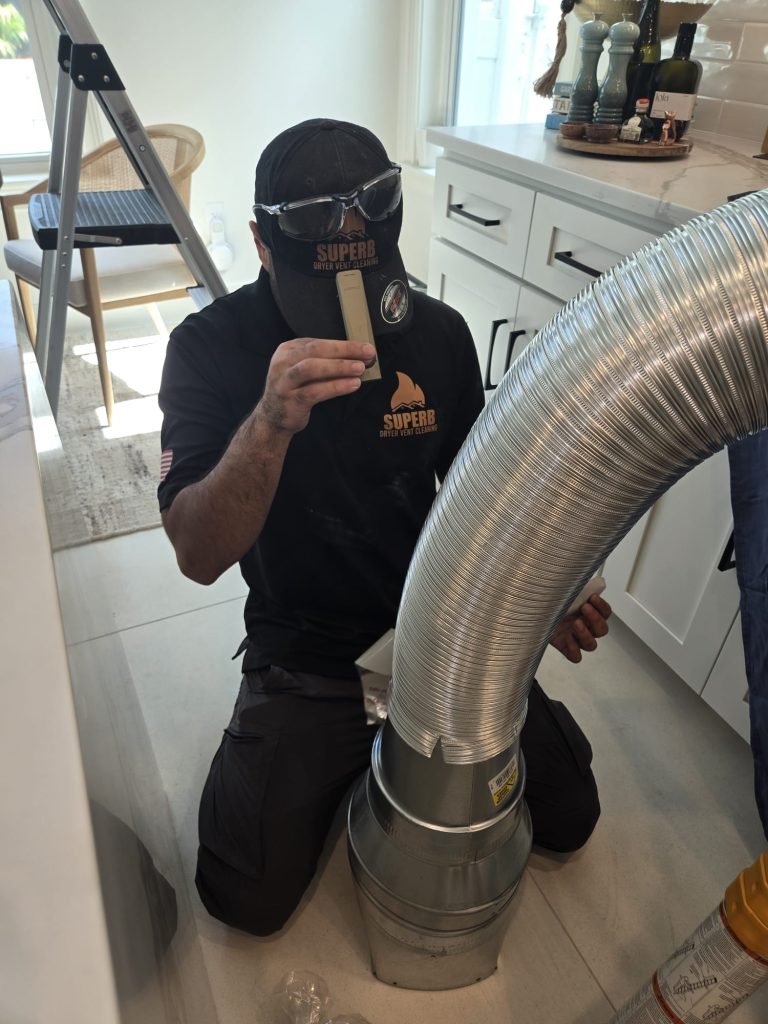
While light maintenance like wiping the exterior or replacing basic filters can be handled at home, a deep clean should be done by a professional. Here’s how the process typically works:
- Initial Inspection
The technician examines the hood, filters, and ductwork for buildup and damage. - Disassembly
Filters, fan blades, and accessible duct sections are removed carefully. - Degreasing and Cleaning
Non-toxic degreasers and steam cleaners are used to dissolve grease and sanitize internal parts. - Filter Replacement or Deep Cleaning
Depending on the filter type, it will either be cleaned or replaced entirely. - Fan and Motor Maintenance
Moving parts are cleaned and checked for wear or electrical issues. - Reassembly and Testing
After cleaning, the hood is reassembled and tested to ensure strong airflow and quiet operation.
This process is mess-free when handled by experienced professionals. It also extends the life of your ventilation system and supports overall kitchen hygiene.
How Often Should a Range Hood Be Cleaned in Tampa
Cleaning frequency depends on your cooking habits and the type of hood you have. Here are general recommendations:
- Light cooking (once or twice a week): Every 6 months
- Daily cooking (especially frying or grilling): Every 3 months
- Commercial kitchens or heavy use: Monthly or more
Tampa homeowners who cook with oil or prepare high-moisture meals more frequently should consider shorter cleaning intervals. Preventive maintenance ensures consistent performance and a cleaner cooking environment.
Benefits of Routine Range Hood Cleaning
Keeping your range hood clean is one of the best ways to maintain a safe, pleasant, and energy-efficient kitchen.
Key benefits include:
- Improved ventilation that quickly removes smoke and steam
- Better air quality by trapping airborne grease and pollutants
- Enhanced fire safety by reducing grease accumulation
- Longer appliance lifespan through reduced wear and tear
- Cleaner kitchen surfaces as less grease escapes into the air
Additionally, a clean range hood contributes to a more comfortable home by eliminating unwanted odors and excess heat.
DIY Maintenance Tips Between Cleanings
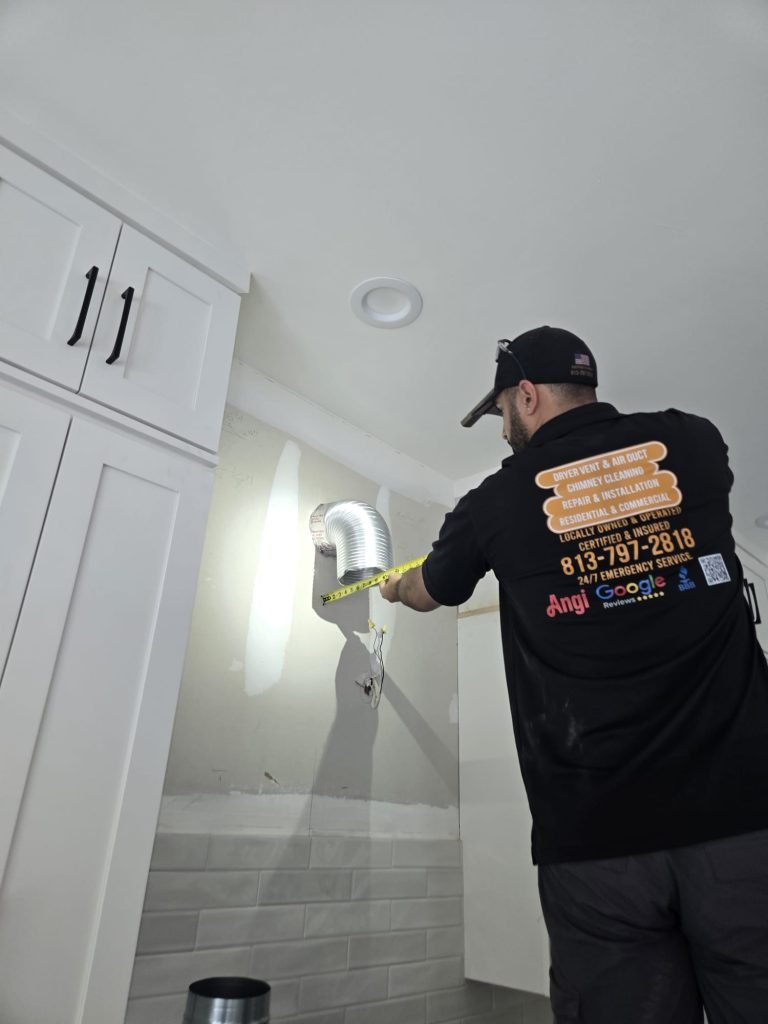
While professional cleaning is essential, homeowners can do a few simple things to maintain their hood between appointments:
- Wipe down the hood exterior weekly with a non-abrasive cleaner
- Clean or replace filters monthly depending on type
- Avoid cooking with uncovered pots or pans to reduce grease vapor
- Run the fan during and after cooking to reduce moisture buildup
- Schedule inspections annually or after major kitchen renovations
Taking care of your range hood is an investment in both your health and the longevity of your appliances. For details about full-system cleaning, explore the about page.
FAQ: Kitchen Range Hood Cleaning in Tampa
1. How do I know if my range hood is not working properly?
Signs include weak suction, smoke in the kitchen, unusual noise, and grease buildup around the hood.
2. Can I clean my range hood filters myself?
Yes, some filters can be cleaned with hot water and dish soap. Others, like charcoal filters, need replacement.
3. What happens if I never clean my range hood?
You risk poor air quality, fire hazards, mold growth, and permanent damage to the fan or motor.
4. How long does professional cleaning take?
Most jobs take one to two hours, depending on the hood type and level of buildup.
5. Are there different types of filters?
Yes, common types include mesh, baffle, and charcoal filters. Each requires different care.
6. Is kitchen hood cleaning required for code compliance?
For commercial kitchens, yes. Residential systems are not legally required but are highly recommended for safety.
7. Does cleaning the hood remove all odors?
Yes, cleaning grease and changing filters removes odor sources from the system.
8. Can dirty range hoods damage my cabinets or ceiling?
Yes, escaping grease and moisture can stain and deteriorate nearby surfaces over time.
9. Is professional cleaning safe for stainless steel hoods?
Yes, trained professionals use non-abrasive tools and solutions to protect stainless finishes.
10. How often should I replace the filters?
Mesh filters can be cleaned and reused. Charcoal filters should be replaced every 3 to 6 months, depending on use.
Conclusion: Keep Your Kitchen Safe with Regular Range Hood Cleaning
A clean kitchen range hood is not just a cosmetic choice. It plays a vital role in maintaining air quality, reducing fire risks, and creating a healthier cooking environment. With Tampa’s humidity and frequent indoor cooking, keeping your vent system clear of grease and grime is more important than ever.
For homeowners ready to take the next step, Superb Dryer Vent Cleaning provides professional kitchen range hood cleaning tailored to Tampa homes. Learn more about our services on the about page or contact us to schedule a cleaning today.