

Outdoor kitchens have become a must-have feature for modern Tampa homes, offering a perfect space for year-round grilling and entertaining. However, Florida’s coastal climate brings unique challenges to maintaining outdoor appliances, especially ventilation systems.
Between the region’s humidity, salt air, and heat, outdoor range hoods face constant exposure to environmental elements that can affect performance over time. Understanding how these factors influence function and longevity helps homeowners make smarter choices about materials, maintenance, and installation.
This guide explains how the Florida climate affects outdoor range hood efficiency, and how proper care and design ensure lasting performance and superior air quality for your outdoor kitchen.
Humidity and Moisture: The Hidden Threat to Ventilation Systems
- Accelerated corrosion risk: Constant humidity in Tampa’s air increases the chance of metal rust and deterioration, especially when inferior materials are used.
- Electrical component damage: Moisture exposure can impact fan motors, wiring, and switches, leading to reduced suction and potential safety hazards.
- Grease and moisture buildup: When humidity mixes with cooking grease, residue hardens faster inside filters and ducts, reducing airflow efficiency.
- Mold and mildew formation: Damp ducts or unsealed joints create an ideal environment for mold, which can circulate through the air if left unchecked.
Tampa’s year-round moisture means outdoor hoods must be built with corrosion-resistant materials, like marine-grade stainless steel, and feature sealed electrical systems to prevent condensation damage. For more about choosing durable hoods, learn more here.
How Salt Air Impacts Outdoor Range Hood Durability
Coastal proximity means salt air is constantly present. Even if your home isn’t right on the beach, airborne salt particles travel miles inland, settling on metal surfaces and accelerating corrosion.
Outdoor range hoods exposed to salt require extra protection. 304 or 316 stainless steel resists rust and pitting far better than aluminum or low-grade steel. Applying a clear sealant or protective coating can also slow corrosion, while regular cleaning removes salty residue that shortens a hood’s life span.
Salt air affects not just the hood’s exterior but also its internal components like fans and filters. Over time, salt deposits can degrade motor bearings and reduce efficiency. Choosing sealed motors and weatherproof ducts ensures that your system operates smoothly in Tampa’s marine climate. You can discover more insights here.
The Role of Heat and Sun Exposure
- Thermal expansion and contraction: Florida’s hot days and cool nights cause metal components to expand and contract, which may loosen screws or joints over time.
- UV degradation: Constant sun exposure fades finishes, dulls polish, and weakens exterior surfaces.
- Reduced motor performance: Extreme heat can strain fan motors, lowering airflow output and shortening their operational lifespan.
- Increased cleaning frequency: Heat accelerates grease vaporization, meaning filters and hoods require more frequent maintenance.
These conditions make Tampa one of the toughest environments for outdoor appliances. Selecting hoods with high-temperature-rated components and UV-protected finishes keeps performance stable year after year. For outdoor kitchen protection strategies, find more details here.

Designing Outdoor Ventilation for Tampa’s Climate
Proper design ensures your range hood works efficiently, no matter the weather. Placement, ductwork, and vent direction all play key roles in maintaining steady airflow.
Install the hood high enough to capture smoke effectively, but low enough to stay shielded from heavy wind or rain. Vent ducts should face away from common seating areas and be built from weatherproof stainless steel. For homes near the coast, shorter duct runs reduce salt accumulation and moisture trapping.
Incorporating covered cooking spaces or partial enclosures also improves hood lifespan by minimizing direct exposure to rain and sunlight. For professional layout advice and best practices, get expert insights here.
Maintenance Practices for Long-Term Efficiency
- Clean filters monthly: Outdoor conditions make filters clog faster than indoor ones. Rinse them with warm water and mild soap to remove grease and salt buildup.
- Inspect ductwork regularly: Check for corrosion, debris, or signs of moisture infiltration at least twice a year.
- Protect the hood during off-seasons: Use a waterproof cover to shield the unit when not in use.
- Schedule annual professional service: Certified technicians can inspect electrical systems, reseal joints, and ensure ventilation pressure remains balanced.
- Wipe down after storms: Salt spray and debris often accumulate following rain or wind. Quick cleaning helps prevent long-term wear.
Routine care keeps your system running quietly and efficiently, even in changing weather. To explore local maintenance and inspection solutions, discover professional guidance here.
Energy Efficiency and Air Quality Benefits
Outdoor ventilation plays a critical role in maintaining not just cleanliness but also energy balance. By removing heat and smoke quickly, range hoods prevent trapped warmth from radiating into your home or outdoor space.
This helps reduce cooling costs, especially in long summer months. Additionally, good airflow prevents buildup of airborne contaminants that can affect respiratory comfort.
Energy-efficient motors, variable fan speeds, and LED lighting reduce power use while improving air circulation. Combined with regular maintenance, these features make your outdoor kitchen more sustainable and enjoyable all year. You can learn more about ventilation efficiency here.
Common Mistakes Tampa Homeowners Should Avoid
- Using indoor-rated hoods outdoors: Indoor models cannot handle moisture and corrosion common in Florida’s climate.
- Poor duct sealing: Gaps in ductwork allow humid air to enter, reducing suction and promoting rust.
- Skipping protective coatings: Without corrosion-resistant finishes, metal surfaces deteriorate quickly in salt air.
- Ignoring professional installation: DIY setups often miss critical waterproofing and grounding steps.
- Infrequent cleaning: Allowing grease and salt buildup shortens equipment life and increases fire risk.
Avoiding these mistakes keeps your system performing safely and efficiently. For trusted installation standards and service details, discover more information here.
Key Takeaways for Tampa Homeowners
- Choose 316-grade stainless steel for maximum corrosion resistance.
- Vent air outdoors and keep duct runs short to prevent humidity buildup.
- Clean and inspect filters monthly to maintain airflow.
- Protect hoods with covers during storms or off-seasons.
- Hire qualified installers familiar with Tampa’s unique weather patterns.
Following these best practices ensures your outdoor kitchen ventilation stays efficient and durable, even under Florida’s challenging conditions.
Conclusion
Florida’s weather is both beautiful and demanding. From high humidity to salt air and intense sunlight, homeowners face unique challenges in maintaining outdoor range hoods. By selecting weather-resistant materials, installing systems correctly, and committing to routine maintenance, you can ensure that your ventilation performs effectively for years.
Proper range hood design doesn’t just enhance comfort it protects your investment and preserves air quality around your outdoor kitchen. For expert installation, maintenance, and ventilation optimization, you can connect with local professionals here.
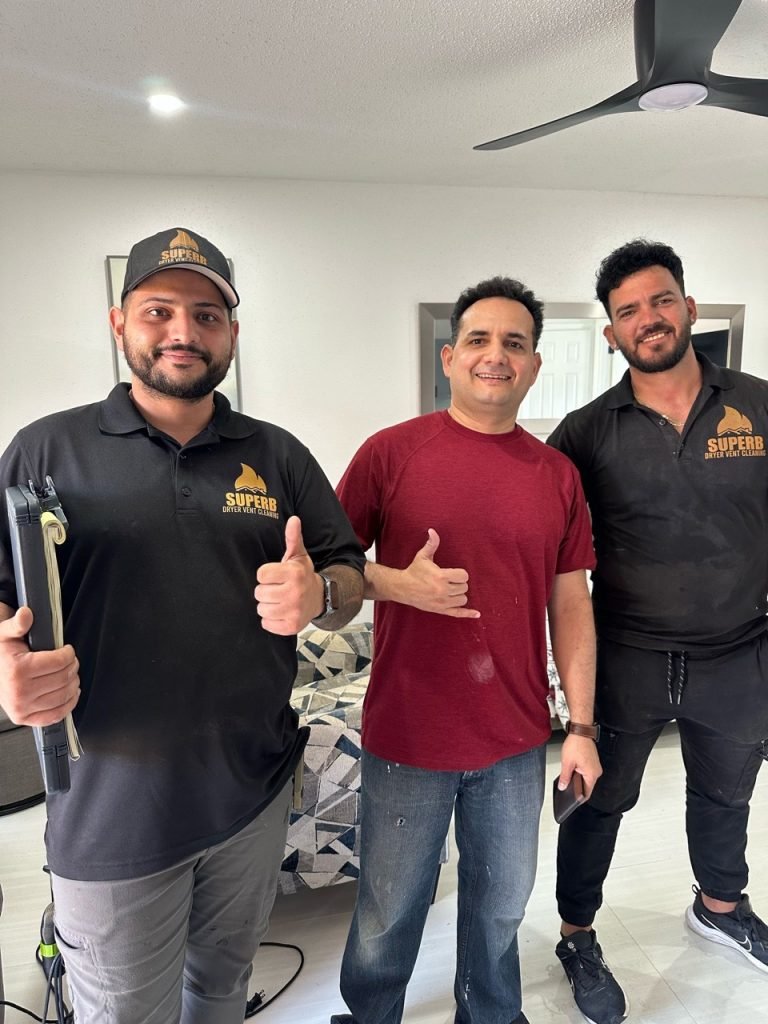
Superb Dryer Vent Cleaning specializes in reliable, climate-ready range hood installation and ventilation maintenance tailored to Tampa homes. To explore additional service insights and professional resources, find more helpful information here and continue learning through the expert resource center here.
Frequently Asked Questions
1. How does Florida humidity affect outdoor range hoods?
High moisture accelerates corrosion and causes grease buildup, reducing airflow efficiency.
2. What materials work best for Tampa’s coastal air?
Marine-grade 304 or 316 stainless steel resists rust and salt exposure.
3. How often should filters be cleaned in Florida’s climate?
At least once a month, or more frequently if you cook often outdoors.
4. Can salt air affect internal components?
Yes. Salt can corrode fan motors and ducts over time without protective coatings.
5. Should outdoor hoods be covered when not in use?
Yes. Using a waterproof cover protects against rain, UV damage, and salt spray.
6. What’s the ideal airflow rating for outdoor cooking areas?
A hood with 900–1200 CFM provides sufficient smoke removal for larger grills.
7. How does proper ventilation impact air quality?
It removes airborne grease and moisture, improving breathing comfort.
8. Can professional maintenance extend hood lifespan?
Absolutely. Regular inspection and cleaning prevent corrosion and electrical damage.
9. What’s the biggest mistake homeowners make?
Using indoor hoods outdoors or skipping protective coatings against humidity.
10. How long should a quality outdoor range hood last in Tampa?
With proper materials and care, 10–15 years or longer.