

Have you ever lit a cozy fire and wondered if your chimney is actually safe? While fireplaces create warmth and ambiance, they can also pose serious fire risks if neglected. One of the most overlooked fire hazards in homes is a dirty or blocked chimney. Creosote buildup, debris, and even nesting animals can turn your fireplace into a danger zone.
This blog explains why regular chimney cleaning is critical to fire prevention, how buildup occurs, and what homeowners can do to ensure safety year-round.
What Causes Chimney Fires?
Chimney fires often begin with a highly flammable substance called creosote. As smoke travels up your chimney, it cools and condenses, leaving sticky residue behind. Over time, this residue thickens and hardens into creosote, which can ignite with high temperatures.
Other contributors to chimney fires include:
- Soot and ash buildup
- Bird or animal nests
- Leaf or branch obstructions
- Cracks in the flue lining
When these materials ignite, they can cause a fire to climb through your chimney, potentially reaching your attic, roof, or surrounding structures.
For more details on inspection and cleaning procedures, visit our chimney service page.
The Dangers of Ignoring Chimney Maintenance
Failure to maintain your chimney doesn’t just pose a fire risk. It can also lead to:
- Carbon monoxide leaks into the living space
- Smoke damage to walls, ceilings, and furniture
- Structural deterioration of your chimney and fireplace
- Higher costs for emergency repairs
According to the U.S. Fire Administration, over 22,000 residential fires each year are caused by fireplace and chimney-related issues. Many of these incidents could have been prevented with routine cleaning and inspections.
How Often Should You Clean Your Chimney?
The National Fire Protection Association (NFPA) recommends that all chimneys be inspected at least once per year and cleaned as needed. Depending on how often you use your fireplace, this might mean once or even twice a year.
Consider more frequent chimney cleaning if:
- You burn wood more than twice a week during cold months
- You use unseasoned or wet firewood
- You notice smoke backing up into the room
- You smell a strong campfire odor inside your home
Routine chimney care also helps with insurance claims and compliance, especially if you’re filing reports on household safety improvements.
Explore more home safety topics on our services page.
Benefits of Regular Chimney Cleaning
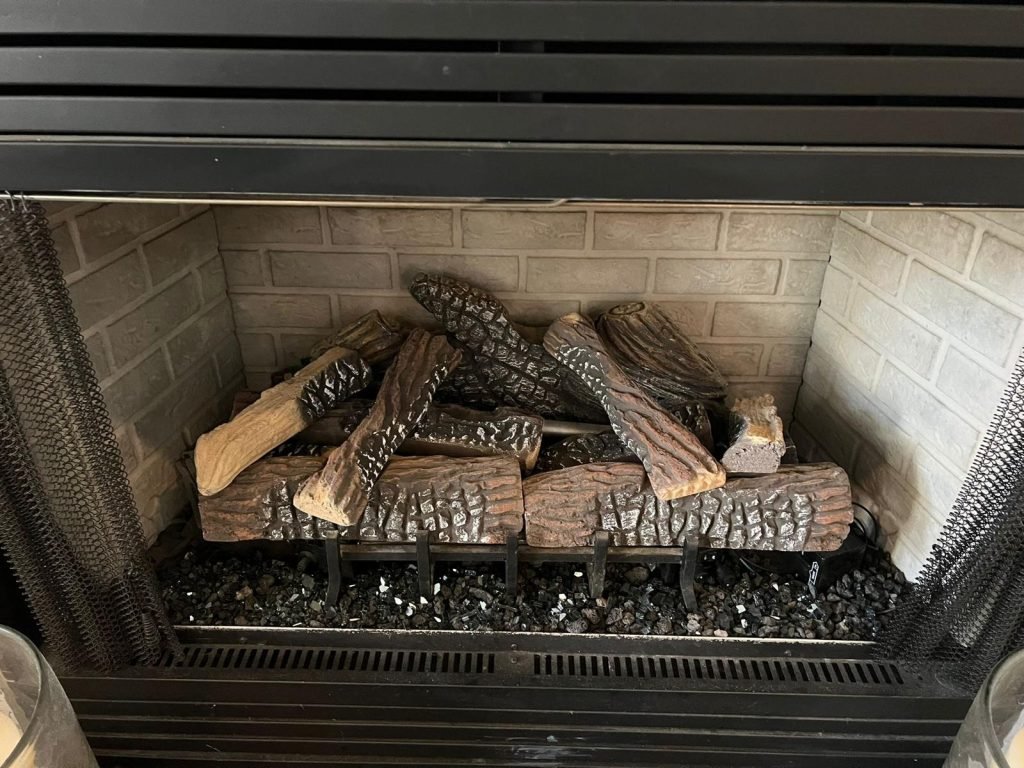
Cleaning your chimney is about more than safety. It improves performance, reduces energy waste, and helps your fireplace operate as intended.
Here are the top benefits:
- Fire Risk Reduction: Removes flammable creosote and obstructions
- Improved Efficiency: Allows better airflow for cleaner burns
- Reduced Odors: Eliminates musty smoke smells during warmer months
- Lower Maintenance Costs: Prevents major repairs due to buildup and blockages
- Better Indoor Air Quality: Reduces the risk of carbon monoxide and smoke exposure
Homeowners in colder climates or with older fireplaces may benefit the most from consistent maintenance.
Chimney Cleaning and Indoor Air Quality
When your chimney is dirty or blocked, smoke and harmful gases like carbon monoxide can leak back into your home. Poorly ventilated systems also contribute to indoor pollution, especially in homes with asthma sufferers or elderly residents.
Clean chimneys help maintain:
- Healthy oxygen levels
- Proper ventilation for combustion appliances
- Removal of mold or mildew spores in the flue
It’s not just about preventing fire. It’s about creating a healthier living space for your family. Learn more about air safety by reviewing your dryer and duct systems.
Chimney Inspection vs Chimney Cleaning
Some homeowners confuse inspections with cleanings. While both are important, they serve different purposes.
Chimney Inspection Includes:
- Checking for structural issues or cracks
- Identifying animal or debris blockages
- Measuring creosote levels
Chimney Cleaning Involves:
- Removing soot and creosote buildup
- Clearing blockages and obstructions
- Brushing and vacuuming the interior flue
Ideally, both services should be scheduled annually. A clean chimney is only effective if the structure is also sound and safe.
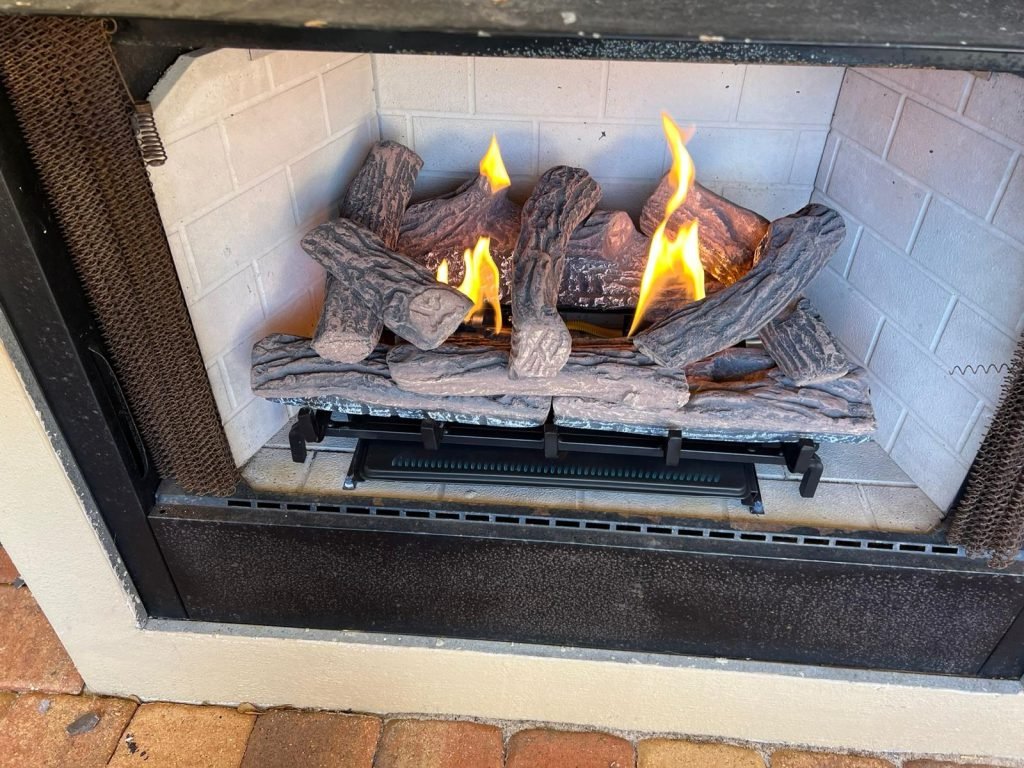
What Happens During a Professional Chimney Cleaning?
Here is a typical step-by-step process during a chimney cleaning:
- Initial inspection of the chimney and fireplace
- Setup of protective coverings in the home to catch debris
- Brush and vacuum cleaning from both the fireplace and roof access
- Debris and creosote removal using specialized tools
- Final safety check to ensure no blockages remain
Professionals also check chimney caps, flue liners, and flashing to ensure a complete service.
If you’re unsure what condition your chimney is in, check out this helpful about page for service insights.
Common Myths About Chimney Cleaning
Myth 1: You only need to clean your chimney if it’s used often.
Fact: Even occasional use causes creosote buildup over time.
Myth 2: Chimney cleaning is a messy, dusty job.
Fact: Professionals use powerful vacuums and containment systems to keep your home clean.
Myth 3: I can clean my chimney myself with store-bought tools.
Fact: DIY kits often miss deep layers of creosote and may not detect structural damage.
Professionals not only clean thoroughly but also prevent costly issues from being overlooked.
FAQ Section
1. How do I know if my chimney needs cleaning?
Look for signs like strong smoke odors, slow-burning fires, or black buildup inside the fireplace.
2. What is creosote and why is it dangerous?
Creosote is a flammable residue left by burning wood. It ignites easily and is a leading cause of chimney fires.
3. Can a dirty chimney cause carbon monoxide poisoning?
Yes. Blocked vents can trap carbon monoxide indoors, which is hazardous to health.
4. How long does chimney cleaning take?
Most cleanings take between 45 minutes and 2 hours, depending on size and buildup.
5. Is chimney sweeping safe for older homes?
Yes. Older chimneys often benefit more from professional cleaning and inspections.
6. How much does a typical chimney cleaning cost?
Prices vary by location and chimney condition, but most standard cleanings are affordable and well worth the investment.
7. Are chemical chimney cleaners safe to use?
Some are safe, but they are not a substitute for a full professional cleaning.
8. Can fireplace smoke damage indoor surfaces?
Yes. Excess soot and smoke can discolor walls and ceilings over time.
9. Should gas fireplaces also be cleaned?
Yes. Although gas produces less soot, blockages or bird nests can still cause ventilation issues.
10. What’s the best time of year to schedule a cleaning?
Early fall before the heating season begins, or in the spring to remove buildup from winter use.
Conclusion
A warm fireplace is a great addition to any home, but only when it’s properly maintained. Regular chimney cleaning plays a major role in preventing fires, improving energy efficiency, and protecting indoor air quality. By taking this essential step, homeowners safeguard their families, their properties, and their long-term finances.If your chimney hasn’t been cleaned recently, now is the time to act. The team at Superb Dryer Vent Cleaning is ready to help with trusted chimney maintenance and related services across Tampa. Schedule your next appointment today through our contact page or explore other home safety services to protect your property.