


In a household with several people, the dryer may rarely get much of a break. School clothes, work uniforms, towels, bedding, sports gear, and everyday clothing can turn laundry into an almost daily routine. Some families run several loads back to back just to keep up.
That level of use changes how the dryer vent should be thought about.
A Tampa family once described a dryer that still heated normally but had gradually become difficult to keep up with. Towels that previously finished in one cycle were staying damp, and the family had started running them again without thinking much about why. With several people generating laundry every day, those extra cycles quickly became part of the routine. When the exhaust system was evaluated, lint accumulation was restricting the vent farther along the route. The change had happened gradually enough that the family had adjusted their laundry habits before recognizing there was a vent issue.
That is common in busy households. When a dryer runs frequently, a small decline in performance can easily be mistaken for the normal challenge of handling more laundry.
Professional residential dryer vent cleaning for frequently used systems can address accumulated material in the exhaust route when routine lint-screen cleaning is no longer enough to maintain normal performance.
More Laundry Means More Material Passing Through the Dryer
Every drying cycle produces lint. The amount varies depending on the fabrics being dried, the age of those fabrics, load size, and other factors.
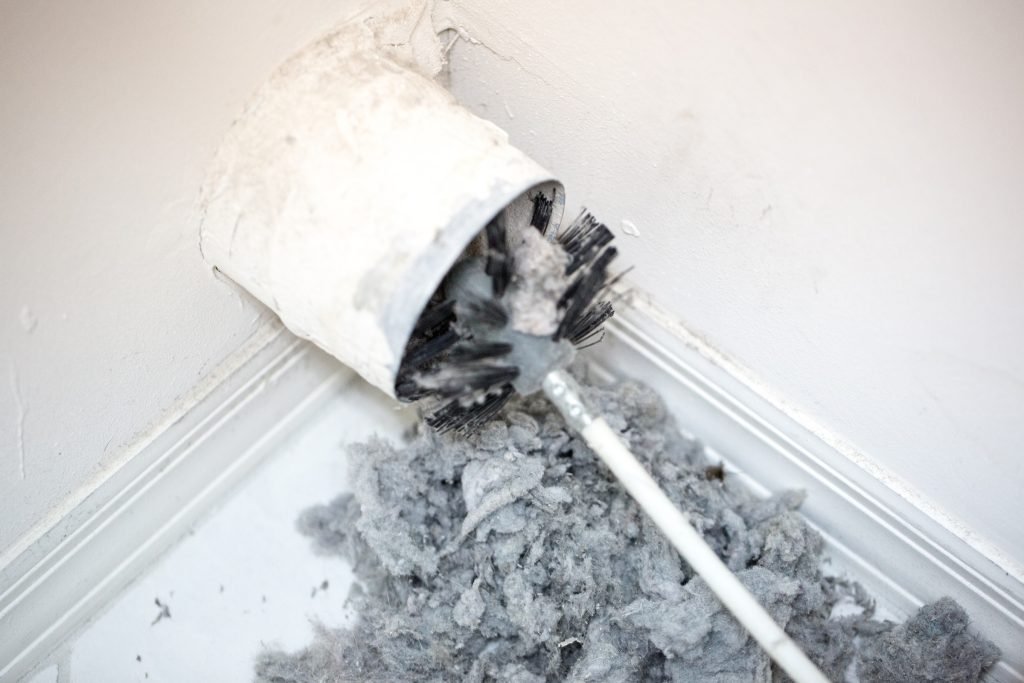
The lint screen captures much of it, but not every fiber stops there. Fine lint can travel beyond the screen and enter the exhaust route. When a household runs the dryer frequently, there are simply more opportunities for that material to move through the system.
Consider the difference between a dryer running three times a week and one running two or three times most days. Even if both families clean the lint screen correctly, the second system handles substantially more laundry over the course of a year.
Certain loads can add to the workload as well. Towels, blankets, children’s clothing, and other frequently washed fabrics may produce significant lint. Large families can cycle through these items quickly.
This is why Dryer Vent Maintenance Tampa is more useful when it reflects actual laundry habits rather than assuming every residence operates the same way.
The right maintenance approach is not simply, “You have a large family, so clean the vent constantly.” Instead, watch how the system performs. Changes in drying time, exterior exhaust, or recurring lint accumulation can help determine when attention is appropriate.
Families running laundry throughout the week can explore dryer vent maintenance options for Tampa residences when their system begins behaving differently from its normal pattern.
Back-to-Back Loads Can Make a Developing Restriction Easier to Notice
A lightly used dryer may have a performance change that goes unnoticed for some time. In a busy household, repeated loads tend to make those changes more obvious.
The first load of the day may seem normal. Later, towels or bedding may take longer than expected. Family members may respond by choosing a longer setting, reducing load sizes, or immediately starting another cycle.
Those workarounds can hide the underlying change.
When a vent becomes restricted, the dryer has more difficulty sending warm, moisture-filled exhaust outside. The appliance may still tumble and produce heat, so the problem does not necessarily look like a malfunction.
A useful comparison is your own normal drying time. If the same type and approximate size of load used to finish predictably but now requires considerably longer, investigate the change rather than automatically accepting the new cycle time.
This is especially relevant for Clogged Dryer Vent Cleaning Tampa because the material causing a restriction may be well beyond the areas a family routinely cleans.
For households experiencing persistent performance changes, professional cleaning of the complete residential exhaust path can address buildup that cannot be removed by clearing the lint screen or vacuuming around the appliance.
A Clean Lint Screen Matters Even More in a Busy Household
With several family members sharing laundry responsibilities, one of the simplest maintenance habits can also become inconsistent.
One person cleans the lint screen after every load. Another assumes the previous person already did it. Teenagers may be learning to do their own laundry. Someone in a hurry may start the next cycle without checking at all.
In a household running one load after another, those missed checks matter.
The lint screen should be cleaned according to the dryer’s instructions, typically around each load. Keeping it clear helps the dryer handle exhaust properly and reduces the amount of accumulated material sitting at the appliance.
It is important, however, to understand what this habit cannot do. Cleaning the screen does not remove lint that has already traveled into the vent. That is why good lint-screen habits and professional Dryer Vent Cleaning are not interchangeable.
A simple household rule can help: whoever starts or transfers a load checks the lint screen. Making that part of the laundry routine is easier than relying on one person to inspect it at the end of the day.
Busy families often put similar demand on their kitchens. If frequent cooking has created visible grease accumulation around the exhaust hood, professional kitchen range hood cleaning for heavily used kitchens addresses that separate exhaust system without confusing cooking residue with dryer lint.
Heavy Towels and Bedding Can Reveal Performance Changes First
Not every load puts the same demand on a dryer.
Lightweight clothing may still finish close to its usual time even when exhaust performance has started declining. Thick towels, comforters, sheets, and other moisture-heavy fabrics can make the difference easier to notice because the dryer has more moisture to remove.
This matters in large households because these loads happen frequently. A family with several children may wash multiple sets of towels every few days. Bedding can create another full day of laundry, especially when several bedrooms are involved.
On one service call, a family reported that everyday clothing seemed to dry reasonably well, but bath towels had started needing a second cycle almost every time. Because the dryer was still producing plenty of heat, they assumed thick towels were simply taking longer as the appliance aged. Inspection showed lint accumulation restricting the exhaust route. The towels had not suddenly become the problem. Their heavier moisture load was simply making the change in vent performance easier to recognize.
The practical takeaway is to compare similar loads over time. If the same amount of towels consistently takes much longer than it did several months earlier, the change deserves attention.
When heavier household laundry repeatedly exposes slow drying, professional residential vent cleaning can address buildup along the exhaust route instead of making extra cycles part of the family’s routine.
Frequent Dryer Use Makes Small Changes Worth Tracking
Families do not need to time every load with a stopwatch. A general sense of normal dryer performance is usually enough.
If school uniforms normally finish during one cycle, you will probably notice when they repeatedly come out damp. The same applies to towels, bedding, and everyday clothing that the household washes on a predictable schedule.
These changes are more useful when they form a pattern.
One unusually wet load does not prove there is a vent problem. The dryer may have been overloaded, the wrong setting may have been selected, or particularly heavy fabrics may have been mixed together.
When several familiar loads begin taking longer, the situation is different.
A practical Dryer Vent Maintenance Tampa routine can include paying attention to:
- Repeated increases in normal drying time
- Loads that consistently require another cycle
- Changes in exterior exhaust
- Unusual amounts of lint around the appliance
- A lint screen filling faster than expected
- Visible changes around the exterior termination
These observations help separate an isolated laundry issue from a developing pattern.
Families who notice several of these changes can review local dryer vent maintenance options for Tampa households rather than waiting until drying performance becomes significantly worse.
A Busy Laundry Schedule Can Hide Problems by Making Extra Cycles Feel Normal
One of the challenges in a large household is that there is almost always another load waiting.
When clothes remain slightly damp, restarting the dryer may feel faster than investigating why. Over time, that second cycle can become so routine that nobody remembers the dryer once completed the same load without it.
This gradual adjustment is worth avoiding.
If a dryer consistently needs more time than it used to, simply increasing cycle length does not identify the cause. A restriction in the exhaust path is one possibility, but load size, dryer settings, appliance condition, and the vent configuration can also influence performance.
That is why Clogged Dryer Vent Cleaning Tampa should be based on actual inspection rather than assuming every slow load means there is a blockage.
A technician may discover heavy lint accumulation, but another inspection might reveal a compressed connection behind the dryer or an exterior termination that is not opening properly. In some cases, the vent may be clear and the appliance itself needs attention.
For persistent slow drying, schedule a focused dryer vent evaluation before treating repeated extra cycles as the household’s new normal.
Laundry Habits Matter as Much as Household Size
The number of people living in a residence tells only part of the story.
A household of six that washes moderate loads throughout the week may use its dryer differently from a household of four that saves nearly everything for one or two heavy laundry days. Sports participation, young children, pets, work uniforms, frequent bedding changes, and other routines can all influence dryer use.
That is why there is no useful rule saying every large family needs professional cleaning on exactly the same schedule.
The better approach is to consider the actual workload and the vent system together.
A short, straightforward exhaust route may behave differently from a longer route with several changes in direction. A family that carefully cleans the lint screen and monitors dryer performance may also recognize changes earlier than a household where several people use the appliance without a consistent routine.
For Residential Dryer Vent Cleaning Tampa, maintenance decisions should therefore reflect laundry frequency, vent configuration, service history, and observed performance rather than family size alone.
The same principle applies outside residential settings. Businesses processing frequent loads can put very different demands on their equipment, so Commercial Dryer Vent Cleaning Tampa should be evaluated according to actual usage and installation.
Families trying to establish a sensible maintenance routine can explore Superb Dryer Vent Cleaning’s Tampa-area service options based on how their laundry system is actually used.
Why the Exterior Vent Deserves Attention in a High-Use Household
When a dryer runs several times a day, the exterior termination can provide useful clues about how well the exhaust system is performing.
While the dryer is operating, the exterior flap or louvers should respond to outgoing exhaust. If they barely move, appear obstructed, or have significant lint collecting around them, the condition is worth investigating. A change is particularly meaningful when it appears alongside longer drying times inside.
The exterior vent should not be treated as a complete diagnostic tool. Strong or weak movement alone cannot tell you exactly what is happening throughout a concealed vent route. It simply gives you another observation to combine with dryer performance.
This can be especially helpful when several family members use the appliance. Someone may notice damp towels while another person notices lint around the outside termination. Putting those observations together provides a much clearer picture than either one alone.
For frequently used systems showing changes at both ends of the vent, professional cleaning and evaluation of the residential exhaust route can determine whether accumulated material or another condition is interfering with normal exhaust.
Good Laundry Habits Can Reduce Unnecessary Stress on the System
Professional cleaning is only one part of maintaining a dryer used by a large family. Everyday laundry habits matter between services.
Overloading is a good example. Trying to fit an unusually large amount of laundry into one cycle may seem like a time-saver when baskets are piling up, but the dryer still needs enough room for fabrics to tumble and release moisture effectively.
Separating very heavy fabrics from lightweight clothing can also make drying more predictable. A load containing thick bath towels and lightweight shirts may not finish evenly because those fabrics hold very different amounts of moisture.
The lint screen deserves the same consistency. In a shared laundry room, everyone old enough to operate the dryer should know where the screen is and when it needs to be cleaned.
These habits do not replace Dryer Vent Cleaning, and they cannot remove buildup already inside a concealed exhaust line. What they can do is make the dryer’s normal performance easier to recognize.
When the household uses good laundry practices but drying time still increases consistently, explore professional dryer vent maintenance for Tampa residences instead of continuing to adjust load sizes and cycle settings around an unexplained problem.
Maintenance Should Be Based on Usage, Vent Design, and Performance
Large families sometimes ask for a single cleaning interval that applies to every busy household. In practice, that approach overlooks too many variables.
Two families can run the same number of loads each week and still have very different vent systems.
One dryer may exhaust through a short route directly to an exterior wall. Another may sit in an interior laundry room with a longer concealed route and several turns before reaching outside. The fabrics being dried, appliance condition, lint-screen habits, and previous maintenance also affect what happens over time.
A Tampa household once scheduled an evaluation primarily because of the number of loads being processed each week. The family expected the vent to be heavily restricted simply because the dryer ran frequently. The inspection showed that the system was in better condition than expected and had a relatively straightforward route.
That situation provides an important counterpoint. High use is a reason to pay closer attention, not proof that a vent is clogged.
Good Dryer Vent Maintenance Tampa should respond to evidence. Drying performance, exhaust behavior, service history, laundry volume, and the vent configuration together provide a more useful picture than any one factor by itself.
For questions about whether a high-use system actually needs attention, schedule a professional dryer vent assessment based on the property’s conditions rather than relying on a generic timeline.
Busy Households Benefit Most From Catching Changes Early
A dryer that stops working completely gets immediate attention. A dryer that gradually becomes less efficient is easier to live with, especially in a household where everyone is focused on getting laundry finished.
That is why recognizing small changes is so useful.
Suppose towels start taking an extra 15 or 20 minutes. At first, someone changes the setting. A few months later, bedding regularly needs another cycle. Eventually, the family considers replacing the appliance because slow drying has become normal.
Checking the exhaust system earlier can help determine whether the problem is actually with the dryer.
This does not mean every performance change calls for Clogged Dryer Vent Cleaning Tampa. If the exhaust route is clear, an appliance problem may need to be investigated instead. The purpose of checking the vent is to avoid making assumptions in either direction.
For Residential Dryer Vent Cleaning Tampa, catching a developing restriction before the household has completely adapted to poor performance can make troubleshooting much more straightforward.
The principle extends to higher-volume facilities as well. Commercial Dryer Vent Cleaning Tampa involves different equipment and usage patterns, but changes in normal performance are still valuable maintenance clues.
Heavy household use can also extend beyond the laundry room. Large families that cook frequently may notice grease accumulating around their kitchen exhaust equipment, and professional kitchen range hood cleaning for frequently used kitchens can address that separate maintenance need.

Make Dryer Vent Care Part of a Busy Family’s Laundry Routine
For a large family, the goal is not to worry about the dryer every time another basket arrives. It is to understand what normal performance looks like and recognize when that pattern begins to change.
Start with the habits that can be handled at home. Keep the lint screen clean, avoid routinely overloading the appliance, pay attention to familiar drying times, and occasionally observe the exterior termination when it is safely accessible. If several people share laundry responsibilities, make these checks part of the routine rather than leaving them to one person.
Then pay attention to patterns. Towels repeatedly needing another cycle, weaker exterior exhaust, unusual lint accumulation, or a gradual increase in drying time can provide a reason to investigate the vent rather than simply selecting a longer setting.
Professional Dryer Vent Cleaning Tampa, FL becomes most useful when it responds to the actual condition of the system. Families experiencing persistent performance changes can explore professional residential vent cleaning for the complete exhaust route rather than relying only on cleaning the lint screen.
Superb Dryer Vent Cleaning works with households throughout Tampa, and families with high laundry demands can review local dryer vent maintenance solutions for frequently used systems when deciding whether professional attention is appropriate.
A busy household may place similar demands on other exhaust equipment. When frequent cooking leaves grease accumulating around the kitchen hood, explore professional kitchen range hood cleaning for heavily used kitchens as a separate maintenance need.
The supplied local business profile and customer feedback can also help Tampa residents evaluate Superb Dryer Vent Cleaning’s local experience before arranging service.
Large families do not necessarily need dryer vent service simply because they produce more laundry. What frequent use does provide is more opportunity to notice changes. If the dryer that once handled familiar loads predictably begins requiring extra time, investigating the reason is more useful than allowing longer cycles to become the household’s new normal.
If those changes continue, schedule a professional dryer vent evaluation for your Tampa home.
Frequently Asked Questions
Do large families need dryer vent cleaning more often?
Not necessarily on a fixed schedule. A larger family may run the dryer more frequently, which means more lint passes through the appliance and exhaust system. Maintenance should still consider actual usage, vent configuration, drying performance, and previous service history.
Can doing several loads every day cause lint to build up faster?
Frequent dryer use means more fabric passes through the appliance and more lint is produced over time. The lint screen captures much of it, but fine material can continue into the exhaust route. This makes consistent maintenance particularly useful for high-use systems.
Why do our towels need two drying cycles when clothes dry normally?
Towels hold considerably more moisture than many lightweight fabrics, so they can reveal declining dryer performance sooner. A vent restriction is one possible cause, but load size, dryer settings, and appliance problems should also be considered.
Is cleaning the lint screen enough if we do laundry every day?
No. Cleaning the lint screen is an essential routine habit, but it does not remove material that has already traveled into the exhaust duct. The screen and the hidden vent route are separate parts of the system.
What signs should a busy household watch for between vent cleanings?
Pay attention to repeated increases in drying time, loads consistently remaining damp, unusual lint around the appliance or exterior termination, and noticeable changes in exterior exhaust. A pattern across several loads is generally more informative than one unusual cycle.
How can several family members help maintain the dryer properly?
Create a simple routine everyone follows. Whoever uses the dryer should check the lint screen, avoid overloading the appliance, and report unusual performance instead of automatically starting another cycle.
When should we consider Dryer Vent Cleaning Tampa, FL?
Professional evaluation may be worthwhile when familiar loads consistently take longer, exterior exhaust becomes noticeably weaker, lint repeatedly accumulates around the termination, or the vent’s maintenance history is unknown, and performance has changed.
Does frequent laundry automatically mean the dryer vent is clogged?
No. High usage alone does not prove there is a restriction. Some frequently used systems remain in good condition, while others may develop buildup sooner. The vent route, maintenance habits, fabrics being dried, and actual performance all matter.
Can a clogged vent make a busy family’s dryer seem worn out?
It can contribute to longer drying times, which may make the appliance appear to be performing poorly. However, mechanical problems can produce similar symptoms. Checking the exhaust system can help determine whether Clogged Dryer Vent Cleaning Tampa or appliance service is the more appropriate response.
Is Residential Dryer Vent Cleaning Tampa different from commercial service?
Yes. Residential service is based on household equipment and vent configurations, while Commercial Dryer Vent Cleaning Tampa may involve different equipment, usage levels, and exhaust arrangements. A large family still generally has a residential system unless the property uses commercial laundry equipment.