

Cooking brings families together, but it also fills kitchens with smoke, grease, and moisture that can linger long after a meal. In Tampa’s warm, humid climate, these airborne pollutants can create persistent odors, greasy surfaces, and even mold growth. A properly installed kitchen range hood plays a vital role in protecting indoor air quality by capturing contaminants and venting them outdoors. This guide explains how correct installation improves air quality, energy efficiency, and overall comfort, while reducing the need for costly repairs or cleaning.
Understanding Indoor Air Challenges in Tampa Kitchens
Tampa’s combination of high humidity and frequent cooking activities creates the perfect environment for airborne grease, excess moisture, and lingering odors. Without an effective ventilation system, these pollutants settle on walls, cabinets, and appliances, gradually damaging surfaces and reducing indoor air quality.
A properly sized and vented range hood captures and expels these particles, making kitchens healthier and easier to maintain.
Key points to remember
- High humidity increases the risk of mold and mildew.
- Cooking releases grease and microscopic particles that settle on surfaces.
- Poor ventilation allows odors to spread throughout the home.
For more information on managing indoor pollutants, explore additional resources here.
How Range Hoods Improve Indoor Air Quality
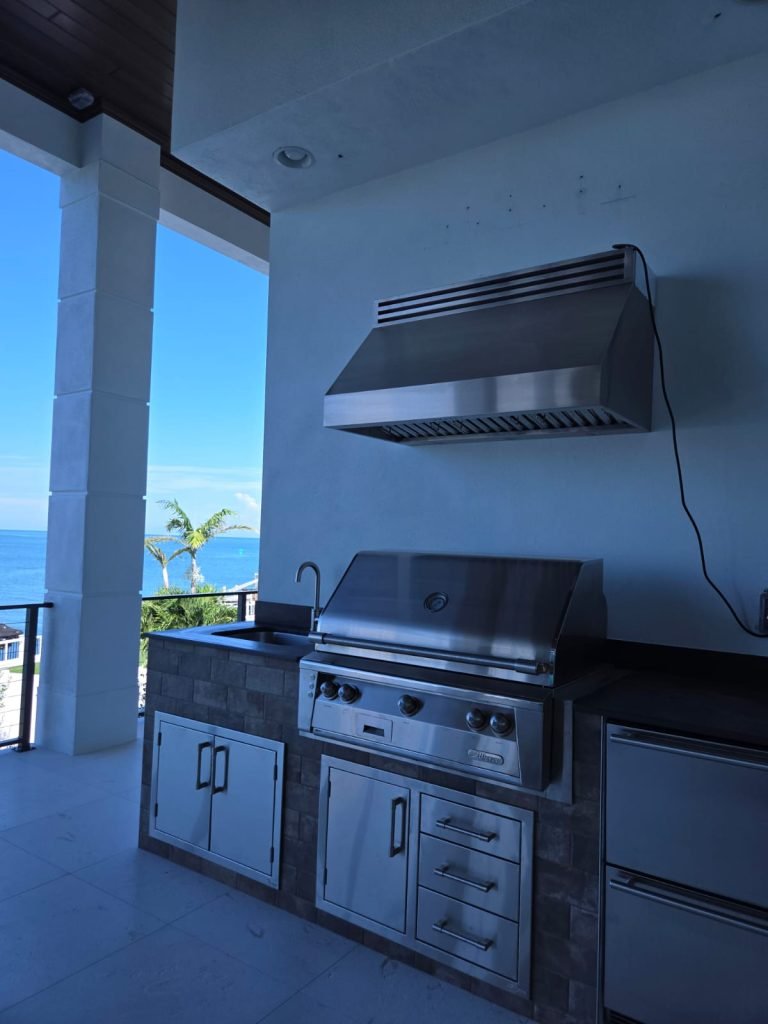
A range hood works by pulling contaminated air through filters and expelling it outside or recirculating it through advanced filtration systems. The effectiveness of this process depends on correct installation and adequate power to match your cooktop size.
By continuously capturing smoke, steam, and grease, a well-installed range hood keeps air fresher, reduces allergens, and maintains a cleaner kitchen.
For professional insights on installation and performance, discover related guidance here.
Key Benefits of Proper Range Hood Installation
Correct installation is as important as the hood itself. Poor placement or inadequate ductwork can reduce performance and leave pollutants behind.
Key points to remember
- Correct height above the cooktop ensures maximum suction.
- Proper duct routing prevents air leaks and backflow.
- Professional sealing stops unwanted moisture from entering walls or ceilings.
By meeting these standards, homeowners achieve consistent air quality and long-term reliability.
Reducing Moisture and Preventing Mold
Cooking releases large amounts of steam and water vapor. In Tampa’s humid climate, excess moisture can condense on walls and ceilings, creating an ideal environment for mold and mildew growth. Mold spores not only damage surfaces but also affect respiratory health.
A properly installed range hood reduces humidity levels by venting moisture outdoors, protecting your home from costly repairs and health hazards.
For more strategies to control indoor humidity, find helpful tips here.
Improving Energy Efficiency and Comfort
A well-installed range hood contributes to energy savings and overall comfort. By removing hot air and excess moisture during cooking, it helps maintain a stable indoor temperature, reducing the need for air conditioning.
Energy-efficient models with variable speed settings allow homeowners to balance performance with power consumption, making them ideal for Tampa’s climate.
Key points to remember
- Effective ventilation reduces cooling costs.
- Modern hoods with LED lighting and quiet motors add efficiency and comfort.
- Consistent airflow supports a balanced indoor environment.
Protecting Kitchen Surfaces and Appliances
Grease and smoke particles settle on walls, cabinets, and appliances if not vented properly. Over time, these deposits can discolor finishes, corrode metal surfaces, and create persistent odors.
A professionally installed range hood captures these particles before they spread, helping maintain the appearance and value of your kitchen.
For ongoing maintenance and cleaning tips, read additional guidance here.
Planning for Correct Sizing and Ductwork
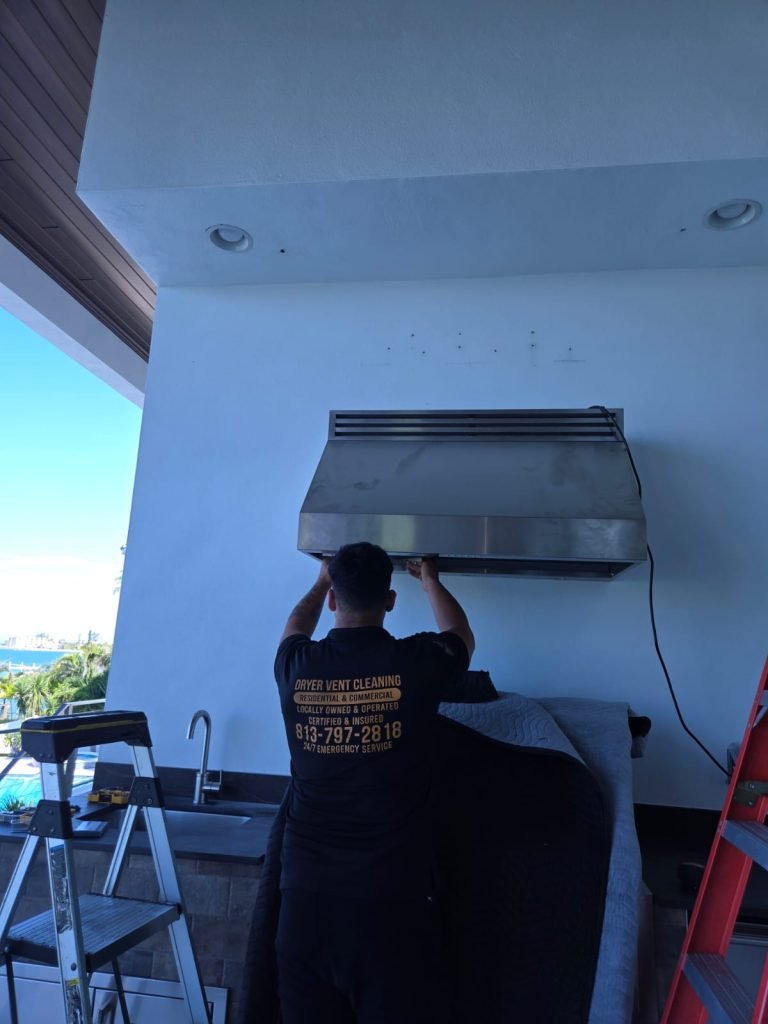
Every kitchen requires a range hood sized to its cooktop and cooking habits. Professionals calculate the correct airflow (measured in CFM) to handle the volume of smoke and steam your appliances produce. Ductwork is equally important—improper duct size or routing can reduce airflow and strain the motor.
Key points to remember
- Match hood width to the cooktop for optimal capture.
- Use smooth, short ducts to improve airflow.
- Seal connections to prevent leaks and energy loss.
Proper planning ensures lasting performance and efficient operation.
Establishing a Maintenance Schedule
Even the best installation needs regular care to maintain peak performance. Homeowners should clean filters monthly, wipe down exterior surfaces, and schedule professional inspections to check duct integrity and motor function.
Routine maintenance extends the life of the range hood and preserves indoor air quality year after year.
For more long-term care strategies, discover expert advice here.
Conclusion
In Tampa’s humid climate, a properly installed range hood is essential for maintaining clean, healthy indoor air. From removing grease and odors to preventing mold and protecting surfaces, a professionally planned and maintained system delivers long-term comfort and savings. Careful sizing, correct ductwork, and routine maintenance ensure your range hood performs efficiently for years to come.
When you are ready to upgrade or install a kitchen ventilation system, you can connect with a trusted local team here. To learn more about their expertise and services, explore their professional approach here or review detailed range hood installation solutions before scheduling.
Frequently Asked Questions
1. Why is range hood installation important for indoor air quality?
Proper installation ensures effective removal of smoke, grease, and odors, keeping indoor air clean and fresh.
2. How high should a range hood be installed?
Typically 24 to 30 inches above the cooktop, but exact measurements depend on the hood type and manufacturer guidelines.
3. Can I install a range hood myself?
DIY installation can lead to poor performance and safety hazards. Professional installation guarantees correct ductwork and sealing.
4. How often should range hood filters be cleaned?
Clean or replace filters every one to three months depending on cooking frequency and filter type.
5. What is the ideal airflow rating (CFM) for a kitchen range hood?
The hood should move at least 100 CFM of air per linear foot of cooktop for optimal ventilation.
6. Does a range hood reduce indoor humidity?
Yes. It vents steam and moisture outside, preventing condensation and mold growth.
7. How does a range hood lower energy costs?
By removing heat and humidity, it reduces the load on your air conditioning system.
8. What are signs of a poorly installed range hood?
Persistent odors, weak suction, and noisy operation often indicate improper installation or duct issues.
9. Do all range hoods vent outside?
Some recirculate air through filters, but vented systems that exhaust outdoors are best for air quality.
10. How long does a range hood last with proper maintenance?
Most high-quality hoods last 10 to 15 years or more with regular cleaning and professional care.