


Dryer vents are one of the most overlooked components in a home, yet they play a critical role in both safety and efficiency. In Tampa, where high humidity and frequent appliance use are part of daily life, dryer vents can quickly become clogged with lint and debris. What starts as a small accumulation of lint may not seem like a serious issue, but over time, it can develop into a significant safety hazard if not properly managed.
Many homeowners are unaware that lint is highly flammable. When airflow is restricted, heat builds up inside the dryer system, creating the perfect conditions for a potential fire risk. This problem is not limited to older homes or outdated appliances. Even modern dryers can become dangerous if the vent system is not maintained regularly.
Understanding the connection between lint buildup and fire risk is essential for protecting your home. That is why many residents turn to professional dryer vent repair and inspection services in Tampa to ensure their systems are functioning safely and efficiently.
How Lint Accumulates Inside Dryer Vents
Lint accumulation is a natural byproduct of using a dryer, but in Tampa’s humid climate, the process becomes more aggressive. As clothes tumble and dry, tiny fibers are released and carried into the vent system along with hot air. While the lint trap captures some of these fibers, a large portion continues into the ductwork.
Over time, this lint settles along the walls of the vent, forming layers that gradually restrict airflow. In humid conditions, lint absorbs moisture, making it heavier and more likely to stick inside the duct.
Key factors that contribute to the buildup include:
- Frequent dryer usage in busy households
- Humidity causes lint to cling to surfaces
- Long or poorly designed vent systems
- Infrequent cleaning and maintenance
As the buildup increases, airflow becomes restricted, creating conditions that can lead to overheating. Homeowners often rely on dryer vent installation and airflow improvement services to address structural issues and improve performance.
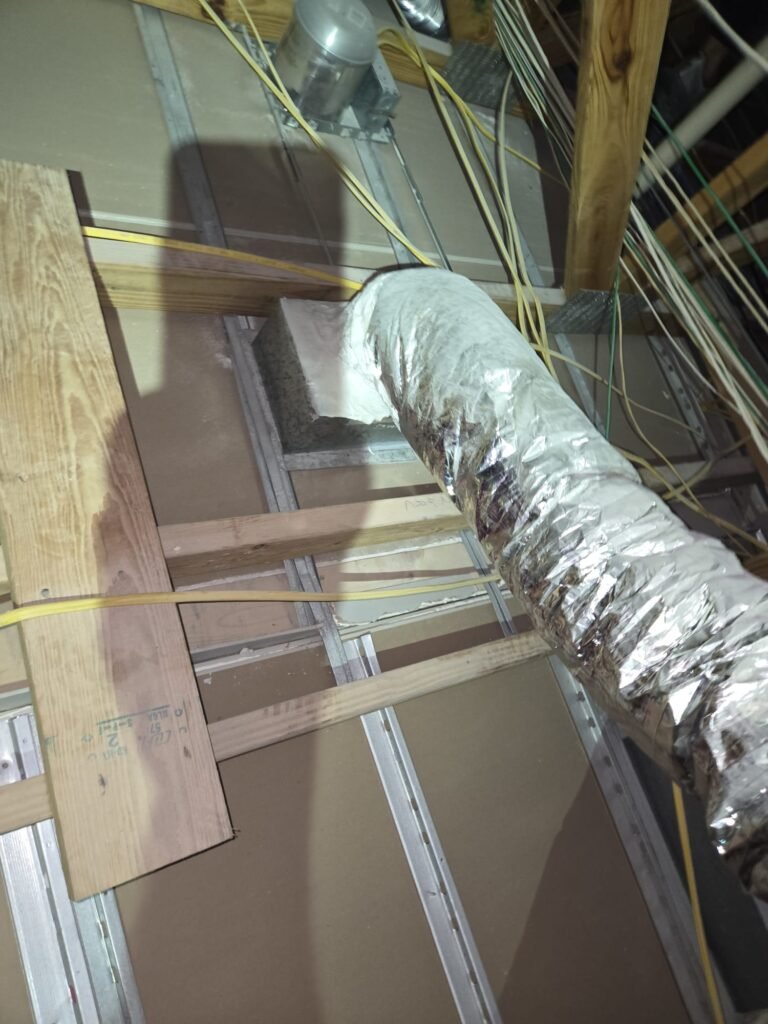
Why Lint Is a Serious Fire Hazard
Lint may seem harmless, but it is highly flammable and can ignite under the right conditions. When airflow is blocked, heat generated by the dryer cannot escape efficiently. This causes temperatures inside the system to rise, increasing the risk of ignition.
The combination of heat, restricted airflow, and accumulated lint creates a dangerous environment. Even a small spark or excessive heat can cause lint to catch fire, potentially spreading through the vent system.
In Tampa homes, where dryers are used frequently, this risk becomes even more significant. Ignoring lint buildup can lead to serious consequences that go beyond simple appliance issues.
Homeowners who understand these risks often take proactive steps by scheduling professional dryer vent cleaning services for safety and performance to remove buildup and reduce fire hazards.
Warning Signs That Indicate Increased Fire Risk
Dryer vent issues rarely happen without warning. There are several signs that indicate your system may be at risk and requires immediate attention.
Common warning signs include:
- Clothes are taking much longer to dry
- Excess heat around the dryer
- A burning smell during operation
- Lint is visible around the vent opening
These signs suggest that airflow is restricted and heat is building up inside the system. Ignoring these symptoms can allow the problem to worsen, increasing the risk of fire. Early detection is essential for preventing serious issues. Many homeowners schedule routine dryer vent cleaning services to restore airflow as soon as they notice these warning signs.
How Tampa’s Climate Increases Fire Risk
Tampa’s climate adds another layer of risk when it comes to dryer vent maintenance. High humidity levels affect how lint behaves inside the vent system, making it more likely to stick and accumulate.
Moist air prevents lint from drying out, allowing it to form dense layers inside the duct. This buildup restricts airflow more quickly than in dry climates, increasing the likelihood of overheating.
Key climate-related factors include:
- High humidity is causing faster lint accumulation
- Frequent dryer use due to damp conditions
- Reduced airflow efficiency in humid air
- Increased moisture inside vent systems
These conditions make regular maintenance even more important. Homeowners often rely on professional dryer vent cleaning services designed for Tampa conditions to manage these risks effectively.
The Role of Maintenance in Fire Prevention
Regular maintenance is the most effective way to reduce fire risk associated with dryer vents. Cleaning the vent system removes lint buildup and restores proper airflow, preventing heat from accumulating.
Maintenance not only improves safety but also enhances efficiency. A clean vent allows the dryer to operate more effectively, reducing drying times and energy consumption.
In Tampa, where environmental conditions accelerate buildup, consistent maintenance is essential. Homeowners who prioritize cleaning often experience fewer issues and lower long-term costs.
Many property owners turn to professional dryer vent repair and maintenance services to ensure their systems remain safe and reliable.
Long-Term Consequences of Ignoring Dryer Vent Maintenance
Ignoring dryer vent maintenance can lead to a range of serious problems over time. What begins as a minor buildup can develop into a major safety concern if left unaddressed.
Restricted airflow can cause the dryer to overheat, leading to damage to internal components and reducing the lifespan of the appliance. In addition, the risk of fire increases as lint continues to accumulate.
Other long-term effects include higher energy bills, reduced performance, and costly repairs. These issues are often preventable with regular maintenance and timely cleaning.
Homeowners who want to avoid these outcomes often seek trusted local professionals for dryer vent system evaluation to ensure their systems are functioning properly.
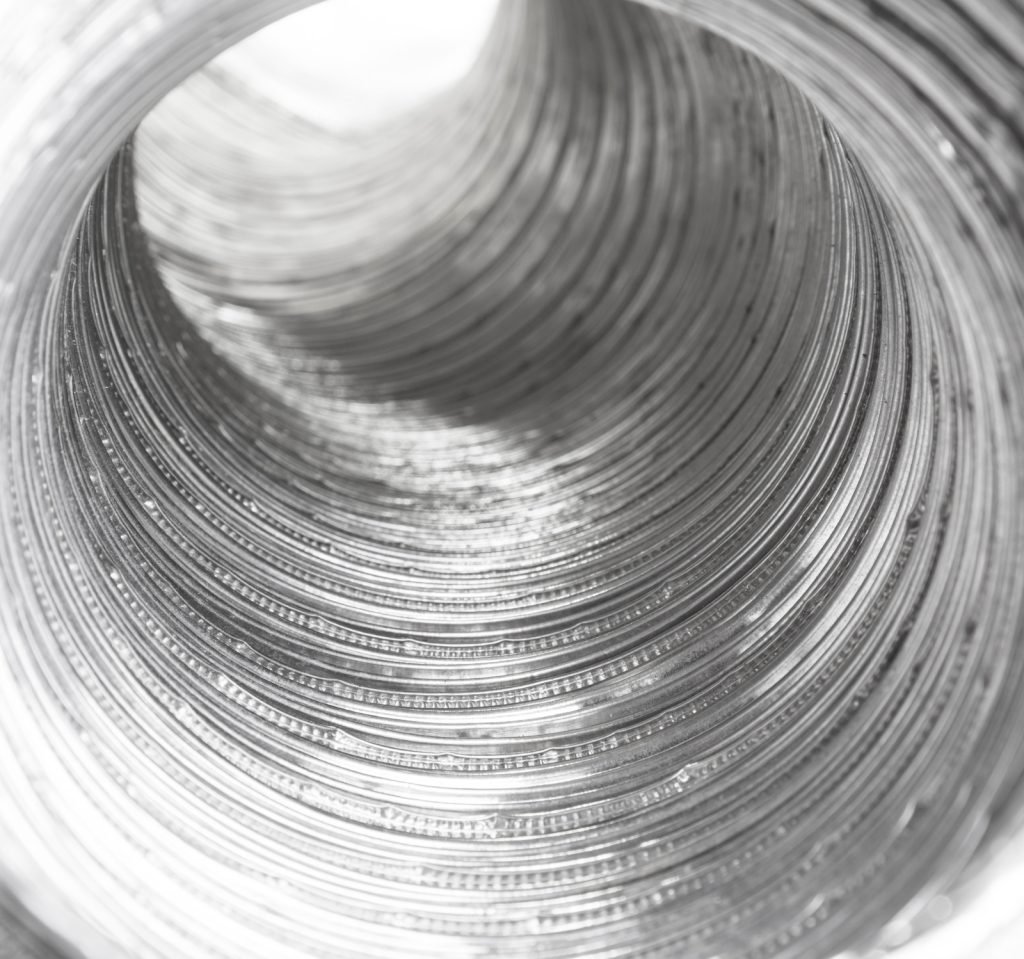
Best Practices to Keep Your Dryer Vent Safe
Keeping your dryer vent safe requires consistent care and attention. By following simple best practices, homeowners can reduce risks and maintain efficient operation.
Important steps include:
- Scheduling regular dryer vent cleaning
- Monitoring performance and drying times
- Checking for visible lint buildup
- Addressing issues as soon as they appear
These practices help maintain proper airflow and prevent dangerous conditions from developing. In Tampa, where climate conditions accelerate buildup, staying proactive is especially important. For ongoing support, many homeowners connect through professional service scheduling and maintenance support to keep their systems in top condition.
Conclusion
Lint buildup inside a dryer vent may seem like a small issue, but it can quickly turn into a serious fire risk if ignored. In Tampa, where humidity and frequent dryer use accelerate accumulation, regular maintenance is essential for both safety and efficiency.
Understanding how lint contributes to fire hazards allows homeowners to take proactive steps to protect their homes. Regular cleaning, proper installation, and timely repairs all play a role in preventing dangerous conditions.
By staying ahead of maintenance, you can reduce risks, improve performance, and extend the life of your dryer. To learn more, explore helpful insights in the dryer vent maintenance and safety blog section. If you need expert assistance, connect through the service request and consultation page. You can also learn more about the company through the business overview and experience page.
FAQs
1. Why is lint a fire hazard?
Lint is highly flammable and can ignite when heat builds up.
2. How often should I clean my dryer vent?
At least once a year or more with frequent use.
3. What are the signs of a dangerous vent?
Burning smell, heat buildup, and long drying times.
4. Does humidity increase fire risk?
Yes, it causes lint to accumulate faster.
5. Can clogged vents damage my dryer?
Yes, they can cause overheating and component failure.
6. Is professional cleaning necessary?
Yes, for thorough removal of lint buildup.
7. How long does cleaning take?
Usually less than an hour, depending on buildup.
8. Can I prevent lint buildup?
Regular cleaning and maintenance help reduce it.
9. What happens if I ignore maintenance?
It can lead to costly repairs and safety risks.
10. What is the best way to stay safe?
Schedule regular inspections and cleaning.