

A warm fire on a cool night can bring comfort, charm, and ambiance to your Tampa home. But when was the last time you had your chimney professionally cleaned? Creosote buildup, blockages, and structural issues can silently compromise your home’s safety and indoor air quality.
Regular chimney sweeping is not just a seasonal chore. It is essential maintenance that protects your family, prevents fires, and ensures your heating system runs efficiently. This guide will walk you through the importance of chimney sweeping in Tampa, how the process works, signs you may need service, and answers to common questions.
What Does a Chimney Sweep Do
A chimney sweep is a trained technician who inspects, cleans, and maintains chimney systems. The role includes:
- Removing soot and creosote
- Checking for blockages like bird nests or debris
- Inspecting the flue liner for cracks or damage
- Ensuring the damper opens and closes properly
- Identifying moisture issues or structural damage
Professionals use specialized brushes, vacuums, and cameras to ensure a thorough job without creating a mess inside your home. Many also perform minor repairs if needed. A full overview of services can be found in the chimney sweep and inspection section.
Why Chimney Sweeping Is Especially Important in Tampa
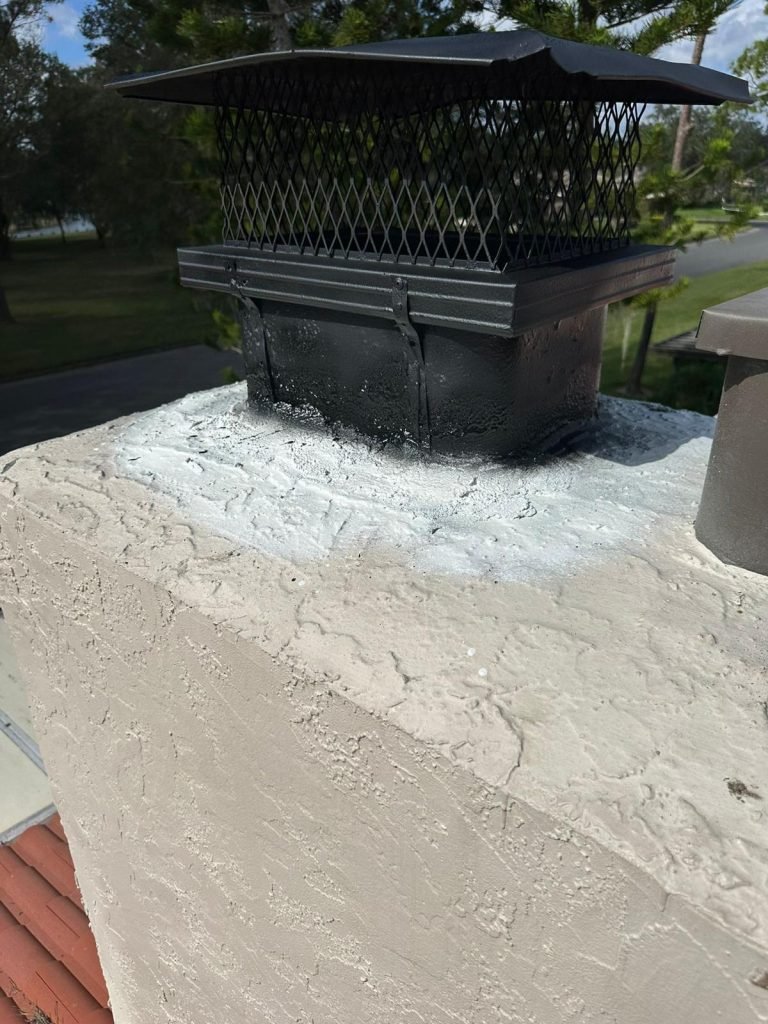
Tampa’s climate creates unique challenges for chimney systems. Even though cold weather is limited, fireplaces and wood-burning stoves are still used in the winter months. The region’s humidity and frequent rain can also cause mold, rust, or deterioration inside chimney flues.
Specific reasons chimney sweeping is important in Tampa include:
- Moisture accelerates creosote buildup
- Mold can form inside chimneys not used year-round
- Hurricanes or strong storms may deposit debris
- Wildlife may nest in unused chimneys
Regular maintenance ensures that your fireplace is safe and ready to use when cooler temperatures arrive.
Top Signs Your Chimney Needs to Be Cleaned
Most homeowners wait too long to clean their chimney because the signs are not always obvious. Here are clear indicators that your chimney may be overdue for a sweep:
- Strong odors coming from the fireplace
- Smoke entering your living space instead of going up
- Black soot buildup around the fireplace opening
- Difficulty starting or maintaining a fire
- A sticky, tar-like substance on chimney walls
These symptoms may also indicate creosote buildup, which is highly flammable and one of the leading causes of chimney fires. For a full range of cleaning and inspection services, view the available service options.
Dangers of Ignoring Chimney Maintenance
Failing to clean your chimney regularly can lead to serious safety risks and costly damage. Common dangers include:
- Chimney fires caused by creosote ignition
- Carbon monoxide exposure from blocked vents
- Smoke damage on ceilings, furniture, or walls
- Structural damage from moisture or mold
- Animal infestation from birds or rodents nesting inside
These issues are not always visible but can escalate quickly if ignored. Preventive maintenance is more affordable than emergency repairs or smoke remediation.
What to Expect During a Chimney Sweep Appointment
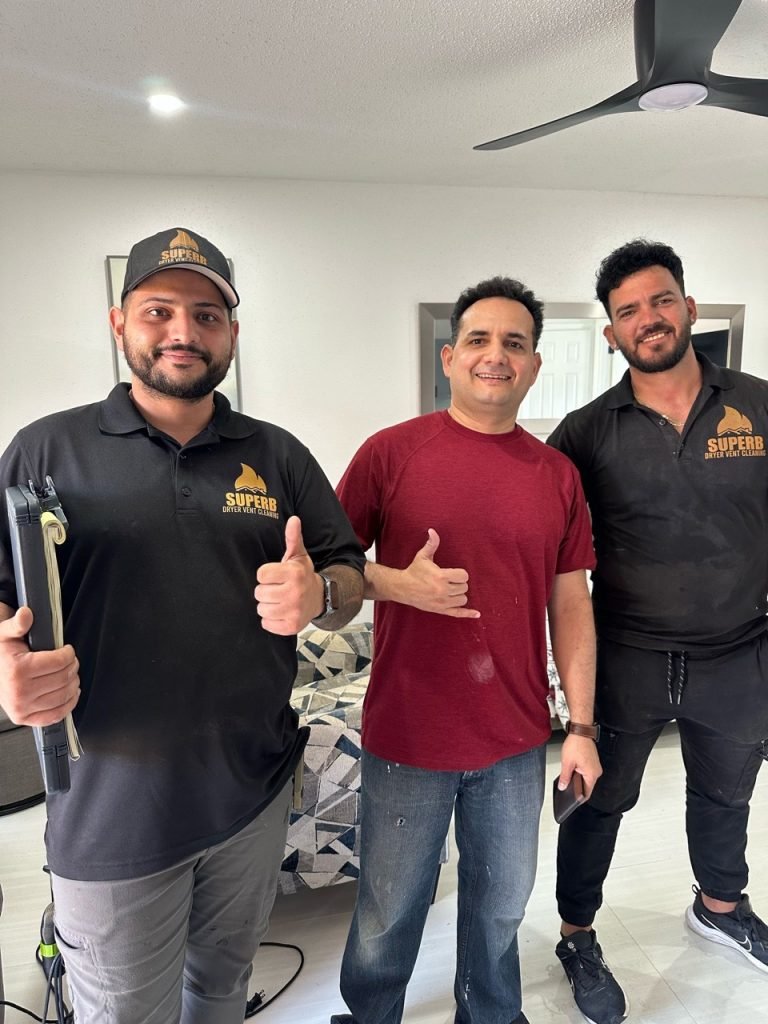
Knowing what happens during a chimney sweep helps set expectations and allows you to prepare. A typical visit includes:
- Initial inspection of the chimney and surrounding area
- Protective coverings to prevent dust or soot indoors
- Creosote and soot removal using specialized brushes
- Vacuuming to control dust and debris
- Flue and cap inspection to detect cracks, rust, or blockage
- Report or recommendation for any repairs or follow-up
This process usually takes one to two hours and leaves your fireplace ready for safe use. For related services such as dryer vent cleaning, combining maintenance tasks can improve overall indoor safety.
How Often Should Chimneys Be Cleaned in Tampa
The National Fire Protection Association recommends a chimney inspection at least once per year. In Tampa, frequency may vary depending on how often your fireplace is used and environmental factors.
General guidelines:
- Wood-burning fireplaces: Clean yearly or after every cord of wood
- Gas fireplaces: Inspect annually for soot and venting issues
- Unused chimneys: Check for debris or nests before seasonal use
If your chimney has not been inspected in over a year, it is best to schedule a sweep before your next fire.
Benefits of Regular Chimney Sweeping
Beyond fire prevention, routine chimney maintenance offers several advantages that benefit your home and health.
Improved air quality
Removing soot, ash, and mold improves the air you breathe indoors.
Better heating efficiency
A clean chimney improves draft and allows fires to burn more efficiently.
Odor reduction
Creosote, moisture, and mold can produce unpleasant smells that are eliminated after a cleaning.
Early issue detection
Cracks, leaks, and rust are easier to fix when identified early.
Pest prevention
Birds and rodents are less likely to nest in chimneys that are routinely inspected and capped.
Maintaining your chimney also adds value to your home, especially if you plan to sell or rent it.

What to Do Between Chimney Cleanings
To keep your chimney in good shape between professional visits, you can take a few simple steps:
- Burn only seasoned hardwood to reduce creosote
- Avoid burning trash, plastic, or treated wood
- Use a chimney cap to prevent debris and animals
- Keep the damper closed when not in use
- Schedule prompt inspections after severe weather
Staying proactive helps extend the life of your chimney system and reduces the need for costly repairs.
FAQ: Chimney Sweep Services in Tampa
1. How long does a chimney sweep take?
Most cleanings take between one and two hours depending on the system’s condition.
2. What is creosote and why is it dangerous?
Creosote is a flammable byproduct of burning wood that can ignite and cause chimney fires if not removed.
3. Do gas fireplaces need to be cleaned?
Yes, gas fireplaces also collect debris and require yearly inspection.
4. Can I clean my own chimney?
DIY methods are risky. Professionals have tools and training to clean thoroughly and safely.
5. What are Level 1, 2, and 3 inspections?
Level 1 is standard, Level 2 is more detailed and used after changes or damage, and Level 3 involves structural access.
6. How can I prevent chimney odors?
Regular cleaning, sealing cracks, and using a cap help reduce musty smells.
7. Should I clean the chimney after a storm?
Yes. Debris or water infiltration can cause damage or blockages that need to be addressed.
8. What happens if animals are found in my chimney?
They should be safely removed and the chimney capped to prevent return.
9. Can a chimney sweep detect leaks?
Yes, technicians check for water entry, rust, and deterioration during service.
10. Is chimney sweeping messy?
Not when done professionally. Floors and nearby areas are protected during the process.
Conclusion: Keep Your Home Safe with Professional Chimney Sweeping
Your chimney may seem like a simple structure, but it plays a vital role in your home’s safety and comfort. Regular sweeping reduces fire risk, protects air quality, and keeps your fireplace working as it should. Whether you use your fireplace often or only occasionally, maintaining it is a smart investment in your home and your health.
For Tampa residents seeking reliable care, Superb Dryer Vent Cleaning offers trusted chimney sweep services as part of their comprehensive home safety solutions. Visit our about page or contact us today to schedule your inspection and get peace of mind before the next cold snap.