


An unexpected dryer breakdown can disrupt household routines and leave homeowners facing repair costs they had not planned for. While some appliance failures occur without warning, other performance problems develop gradually and may be connected to restricted exhaust airflow.
Preventive dryer vent cleaning in Tampa can help reduce certain repair-related problems by removing accumulated lint before it significantly restricts airflow, contributes to abnormal operating conditions, or causes longer drying cycles. It cannot prevent every mechanical or electrical failure, but maintaining the exhaust system helps eliminate one avoidable source of dryer performance problems.
Consider a Tampa homeowner whose dryer begins taking longer to finish familiar loads. The appliance still heats and tumbles, so the homeowner assumes an internal component may be failing. However, an inspection reveals accumulated lint restricting the exhaust duct.
Addressing that restriction may restore normal performance without replacing functional appliance parts.
For homeowners interested in preventive maintenance, professional residential dryer vent cleaning in Tampa can help identify and remove accumulated material before airflow problems become more disruptive.
How Can Preventive Dryer Vent Cleaning Reduce the Risk of Unexpected Repair Problems?
Preventive maintenance focuses on addressing developing conditions before they interfere significantly with normal appliance operation.
In a conventional vented dryer, the exhaust system carries moisture-laden air outdoors. When lint accumulates inside the duct, airflow can become restricted, potentially affecting drying times and operating temperatures.
If the restriction remains unresolved, homeowners may begin noticing symptoms that resemble appliance malfunctions, including longer cycles, unusually hot operation, or repeated interruptions.
Removing accumulated lint can help restore the exhaust pathway when buildup is responsible for these conditions.
However, professional cleaning does not repair defective heating elements, worn motors, faulty thermostats, damaged sensors, or electronic controls. Those problems require separate diagnosis and appropriate appliance service.
The preventive benefit comes from maintaining an important part of the drying system and reducing the likelihood that an avoidable exhaust restriction will continue affecting performance.
When accumulated lint is identified, professional dryer vent cleaning in Tampa can remove material interfering with normal exhaust airflow.
Why Can Restricted Airflow Sometimes Be Mistaken for an Appliance Failure?
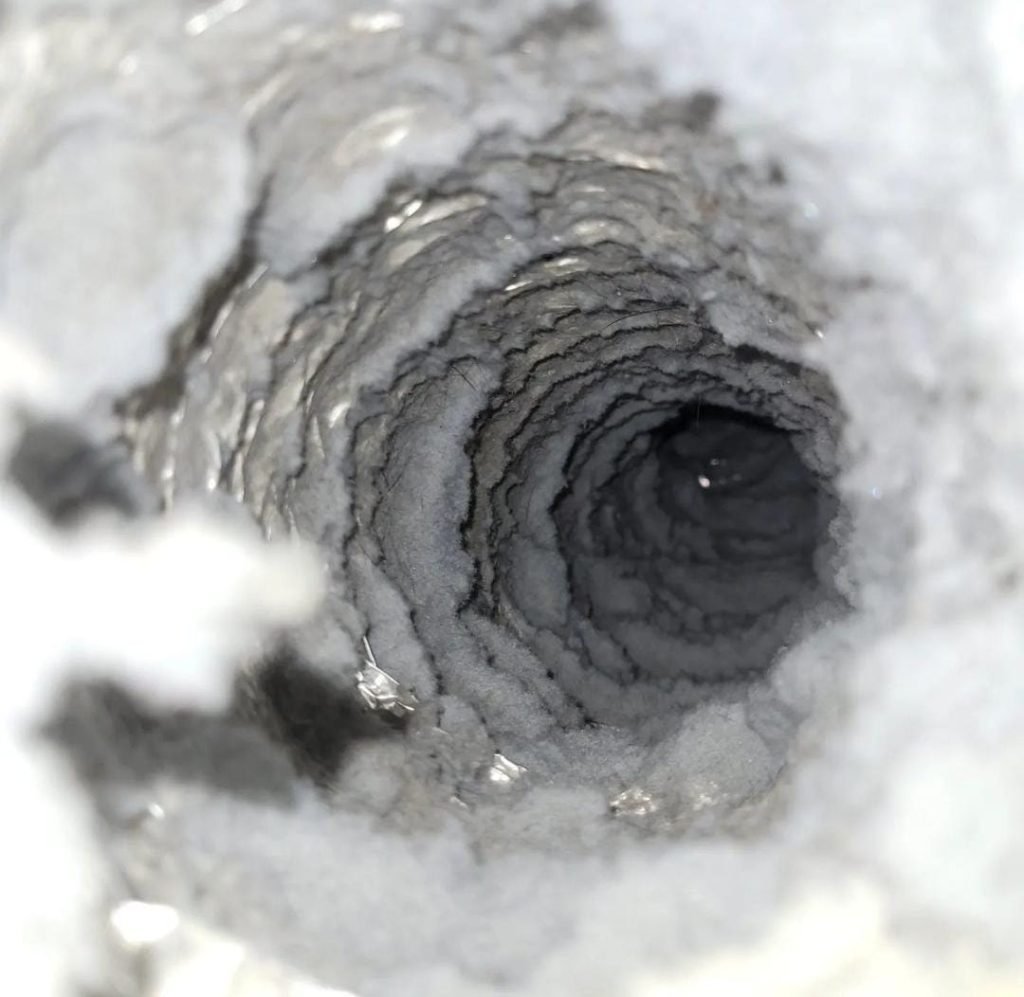
Restricted dryer vent airflow can produce symptoms similar to those associated with internal dryer problems.
For example, a homeowner may notice that clothes remain damp after the usual cycle. The immediate assumption might be that the heating element is failing or that the appliance needs replacement.
However, a dryer can continue producing heat while struggling to remove moisture because the exhaust route is restricted.
Imagine a Tampa household where towels suddenly require an additional drying cycle. The homeowner checks the lint screen and finds it clean, then begins researching dryer repair services.
An exhaust-system evaluation reveals lint accumulation farther inside the concealed duct. Removing the buildup may improve drying performance without requiring internal appliance repairs.
The opposite situation is also possible. If the exhaust system is clear, a malfunctioning heating component, moisture sensor, or another appliance issue may be responsible.
This is why diagnosis matters more than automatically scheduling cleaning or replacing parts.
For recurring performance changes, professional residential dryer vent cleaning can help determine whether accumulated lint is contributing to the problem.
Can Preventive Dryer Vent Maintenance Help Avoid Overheating-Related Service Calls?
Restricted exhaust airflow can interfere with normal temperature management in some dryer designs. Depending on the severity of the restriction and the appliance’s protective controls, abnormal operating conditions may develop.
Some dryers use thermostats, temperature sensors, and protective devices to regulate heating or respond to excessive temperatures.
When lint accumulation restricts exhaust movement, cleaning may help address a contributing airflow problem before it causes more noticeable performance issues.
However, overheating does not always originate in the vent. Faulty thermostats, heating components, electrical problems, and other internal defects can also produce abnormal temperatures.
The U.S. Fire Administration’s clothes dryer fire safety guidance recommends keeping dryer vents clean, checking for crushed or restricted ductwork, and ensuring the outdoor vent covering opens during operation.
If a dryer becomes unusually hot, produces a burning odor, or repeatedly shuts down unexpectedly, homeowners should discontinue normal use and arrange appropriate evaluation rather than repeatedly restarting the appliance.
When accumulated lint is restricting the exhaust system, professional dryer vent cleaning can help restore airflow and address that specific contributing condition.
How Can Early Dryer Vent Maintenance Help Homeowners Avoid Unnecessary Repair Costs?
Not every decline in dryer performance requires replacement parts or a new appliance.
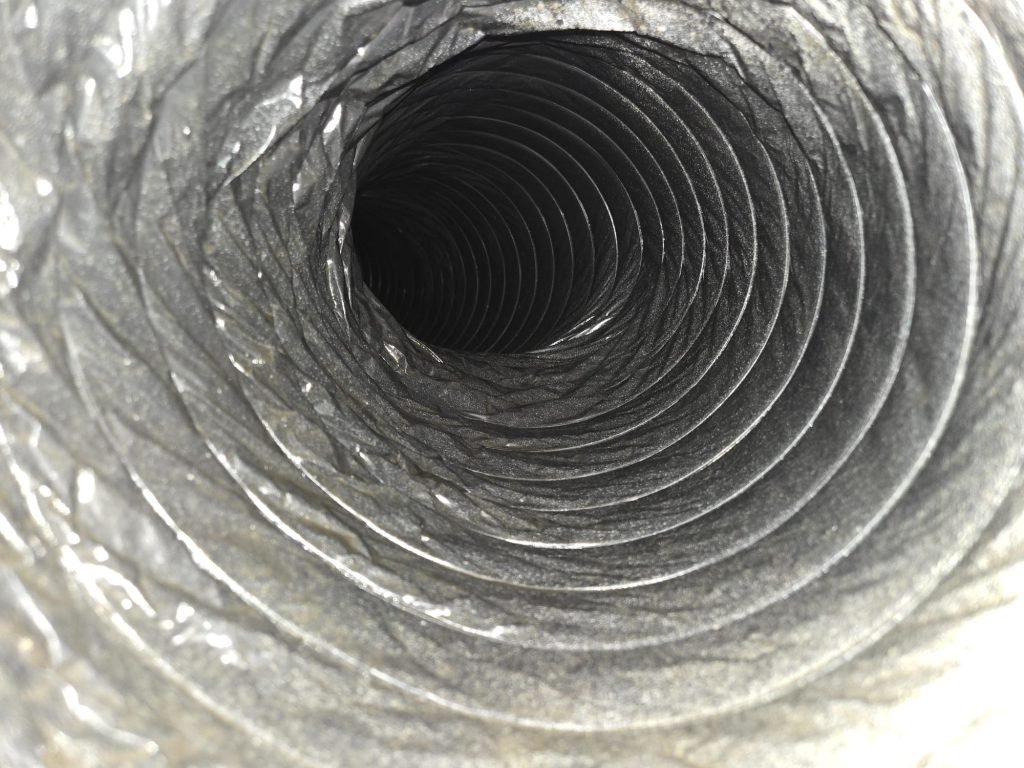
Sometimes, a problem that appears mechanical originates in the exhaust route rather than inside the dryer itself.
For example, a homeowner may consider replacing a moisture sensor or heating component because familiar loads are taking longer to dry. If the actual cause is accumulated lint restricting airflow, those repairs may not address the underlying problem.
Evaluating the exhaust system before authorizing repairs based solely on slow drying can help identify whether the issue is related to venting.
This does not mean dryer vent cleaning is always the least expensive or most appropriate solution. Cleaning an already clear duct provides little benefit when an internal appliance component is defective.
The objective is to choose the correct service based on the condition of the complete system.
For homeowners investigating possible exhaust restrictions, professional dryer vent cleaning in Tampa can help address accumulated lint before unnecessary appliance work is considered.
Can Preventive Dryer Vent Cleaning Help Reduce Unexpected Dryer Shutdowns?
Unexpected dryer shutdowns can be frustrating, especially when the appliance stops before completing a normal cycle. In some situations, restricted exhaust airflow may contribute to abnormal operating temperatures that activate protective controls.
Modern dryers use different temperature-regulation and safety mechanisms depending on their design. If lint accumulation significantly restricts the exhaust route, the appliance may experience operating conditions that affect heating or performance.
However, an unexpected shutdown does not automatically mean the vent is clogged. Motor problems, electrical faults, defective temperature sensors, and other appliance issues can also interrupt operation.
Consider a Tampa homeowner whose dryer occasionally stops during heavier laundry loads. Instead of repeatedly restarting the appliance, the homeowner arranges an evaluation to identify whether the problem involves the exhaust system or an internal component.
If accumulated lint is restricting airflow, professional dryer vent cleaning in Tampa can remove the material contributing to the restriction.
Repeated unexpected shutdowns, unusual overheating, or burning odors warrant discontinuing normal use until the cause has been evaluated.
Why Should Homeowners Check the Exhaust System Before Replacing Dryer Parts?
Replacing appliance components without identifying the actual problem can lead to unnecessary expenses.
Longer drying times, damp clothing, and inconsistent performance can originate from either the appliance or its exhaust system. Because these symptoms overlap, diagnosis should consider both possibilities.
For example, a Tampa homeowner may suspect a faulty heating element because towels are no longer drying within their usual cycle. The dryer still produces heat, but the homeowner assumes it is not functioning correctly.
An inspection might reveal accumulated lint inside a concealed exhaust duct. If that restriction is responsible for the longer cycles, cleaning may improve performance without replacing the heating element.
However, the reverse situation is equally important. If the exhaust route is clear and properly configured, repeatedly cleaning it will not repair a defective heating component or moisture sensor.
The practical approach is to identify the source of the problem before authorizing repairs based on symptoms alone.
When an exhaust restriction is suspected, professional residential dryer vent cleaning can help address accumulated lint that may be affecting dryer performance.
Can Damaged Dryer Ductwork Create Problems That Cleaning Cannot Prevent?
Yes. Physical damage to the exhaust system can interfere with airflow even when the duct contains relatively little lint.
A transition duct may become crushed when the dryer is pushed too close to the wall. Exhaust connections may loosen, duct sections can become damaged, and exterior terminations may stop functioning correctly.
These conditions can produce symptoms similar to lint accumulation, including longer drying times and reduced exterior airflow.
Imagine a homeowner who moves the dryer while renovating the laundry room. After the appliance is returned to its original position, the transition connection becomes compressed behind it.
Over the following weeks, drying performance declines. Scheduling repeated cleaning appointments would not correct the damaged connection.
An evaluation should distinguish removable buildup from physical problems requiring repair or replacement.
If damaged components are identified, professional dryer vent repair can address crushed ductwork, faulty connections, or termination problems.
How Can Preventive Maintenance Help Identify Dryer Vent Installation Problems?
Preventive dryer vent maintenance can provide an opportunity to recognize installation concerns that may otherwise remain unnoticed.
Some homes have exhaust routes that travel through walls, ceilings, or other concealed spaces before reaching the exterior. Their length, fittings, materials, and termination design can influence airflow.
A long route is not automatically defective, but unsuitable configurations can create unnecessary resistance or make maintenance more difficult.
For example, a Tampa home with an interior laundry room may have several directional changes along its exhaust route. If drying performance repeatedly declines despite appropriate cleaning, the configuration itself may deserve evaluation.
The International Residential Code’s exhaust-system provisions address dryer exhaust installation considerations, including duct routing and length requirements. Applicable locally adopted rules and manufacturer instructions should guide any corrections.
Cleaning cannot resolve an improperly configured exhaust route. If installation concerns are identified, professional dryer vent installation services can help evaluate appropriate routing corrections.
Can Preventive Dryer Vent Cleaning Help Avoid Emergency Service Situations?
Preventive maintenance may help reduce situations in which an exhaust restriction becomes severe enough to disrupt normal dryer operation.
Lint accumulation often develops over time. Homeowners may first notice familiar loads requiring slightly longer cycles or weaker airflow at the exterior termination.
These early changes provide an opportunity to investigate the exhaust system before the problem becomes more disruptive.
Consider a Tampa family preparing for a busy week. Their dryer has gradually started requiring additional time for towels and bedding. Rather than waiting until the appliance stops working or produces more concerning symptoms, they arrange an exhaust-system evaluation.
If accumulated lint is restricting airflow, professional cleaning may address the condition before further performance deterioration.
However, preventive cleaning cannot guarantee that emergency appliance repairs will never be necessary. Electrical faults, motors, heating components, and electronic controls can fail independently.
For homeowners developing a maintenance routine, professional dryer vent cleaning in Tampa can help address accumulated lint before significant airflow restrictions develop.
What Warning Signs Suggest Preventive Dryer Vent Maintenance Is Needed?
Homeowners do not need to wait for a complete blockage before paying attention to dryer performance.
One useful warning sign is a gradual increase in drying time for familiar loads. If clothing that previously dried within one cycle consistently requires additional time, the exhaust route may deserve evaluation.
Other possible indicators include reduced airflow at a safely accessible exterior termination, a vent flap that no longer opens normally, or unusual heat associated with declining performance.
A clean lint screen does not rule out accumulated material farther inside concealed ductwork.
However, these symptoms are not exclusive to lint buildup. Oversized loads, inappropriate settings, poor washer spin performance, damaged ductwork, and appliance faults can produce similar results.
Homeowners can begin with safe observations, including checking the lint screen and visually inspecting accessible connections. Avoid climbing onto roofs, dismantling gas or electrical components, or inserting improvised tools deep into concealed ducts.
When symptoms persist, professional residential dryer vent cleaning can help determine whether accumulated lint is contributing to restricted airflow.
How Often Should Tampa Homeowners Schedule Preventive Dryer Vent Cleaning?
A preventive maintenance schedule should reflect how frequently the dryer is used, the exhaust system’s configuration, and previous maintenance findings.
The U.S. Fire Administration recommends professional dryer vent cleaning at least once a year. However, some households may need earlier attention because of frequent laundry use, significant previous lint accumulation, or changes in drying performance.
For example, a Tampa household that operates its dryer several times daily may have different maintenance needs from a household that uses the appliance only occasionally.
Long concealed exhaust routes, multiple directional changes, and previous airflow problems can also influence maintenance decisions.
Homeowners should not wait for a scheduled cleaning appointment if the dryer develops unusual overheating, repeated shutdowns, or other concerning symptoms.
The purpose of preventive maintenance is to address developing exhaust restrictions rather than assume that cleaning will prevent every appliance failure.
For homeowners establishing a regular maintenance routine, professional dryer vent cleaning in Tampa can help remove accumulated lint before significant airflow restrictions develop.
Why Is Identifying the Actual Cause of Dryer Problems Important?
A dryer can develop performance problems for several reasons, and selecting the correct service depends on understanding the source.
Restricted exhaust airflow may result from accumulated lint, damaged ductwork, an obstructed exterior termination, or an unsuitable vent configuration.
However, slow drying, unexpected shutdowns, and abnormal heating can also involve internal appliance components.
Consider a Tampa homeowner whose dryer begins requiring additional time for familiar loads. The homeowner schedules professional vent cleaning, but the exhaust route is found to be clear.
In that situation, repeatedly cleaning the duct would not solve the problem. The next step may involve evaluating the dryer’s heating system, moisture sensors, controls, or other components.
Alternatively, if accumulated lint is restricting airflow, cleaning may address the problem without replacing functional appliance parts.
A balanced evaluation helps homeowners avoid unnecessary work while ensuring that the actual cause receives attention.
When lint accumulation is identified, professional residential dryer vent cleaning can help restore the exhaust pathway.
If physical exhaust damage is responsible, dryer vent repair may be necessary.
What Should Homeowners Expect From a Preventive Dryer Vent Cleaning Appointment?
A preventive service should focus on the condition of the complete exhaust system rather than simply assuming that visible lint is the only concern.
Depending on the home’s layout and the service scope, an evaluation may include accessible exhaust connections, duct routing, accumulated lint, exterior termination condition, and airflow concerns.
When buildup is identified, appropriate cleaning methods can remove material from the exhaust pathway.
However, the technician should also recognize problems that cleaning cannot correct, including crushed ductwork, disconnected sections, damaged terminations, or unsuitable exhaust configurations.
Homeowners can ask which portions of the system will be evaluated, whether the exterior termination is included, and how any discovered concerns will be explained.
This approach helps distinguish routine cleaning needs from problems that may require additional repair or installation work.
For Tampa homeowners considering preventive maintenance, explore available professional dryer vent services to learn about local service options.
Can Preventive Dryer Vent Maintenance Help Homeowners Plan for Future Repairs?
Preventive maintenance can provide useful information about the condition of the exhaust system before a problem becomes more disruptive.
For example, an inspection may identify a damaged transition connection, a termination that no longer opens correctly, or a duct configuration that deserves further evaluation.
Discovering these conditions during routine maintenance can give homeowners an opportunity to plan appropriate corrective work rather than waiting until drying performance becomes significantly worse.
However, dryer vent cleaning is not a complete appliance inspection. It cannot reliably predict when a motor, heating element, sensor, or electronic control will fail.
The benefit is improved awareness of exhaust-system conditions that could otherwise remain unnoticed.
If maintenance reveals damaged components, professional dryer vent repair can address physical problems affecting the exhaust pathway.
When the concern involves unsuitable routing, dryer vent installation services can help evaluate possible corrections.
What Is the Best Preventive Dryer Vent Maintenance Strategy for Tampa Homeowners?
An effective preventive maintenance strategy combines routine household care with professional attention to the exhaust system when appropriate.
Homeowners should clean the lint screen according to manufacturer instructions, avoid overloading the dryer, use suitable settings, and pay attention to changes in familiar drying times.
The exhaust route also needs consideration because accumulated lint can restrict airflow even when the appliance itself remains functional.
When buildup is responsible, professional dryer vent cleaning in Tampa can help restore the exhaust pathway.
If the system contains crushed connections or damaged ductwork, dryer vent repair may be necessary. Unsuitable routing may instead require professional dryer vent installation evaluation.
Homeowners can also explore local dryer vent maintenance services and review the company’s local business profile for business identity and local presence information.
Preventive cleaning cannot eliminate every unexpected appliance repair. Its value comes from addressing avoidable exhaust restrictions, recognizing developing problems, and helping homeowners make informed maintenance decisions.
For help maintaining your dryer exhaust system, contact Superb Dryer Vent Cleaning to discuss preventive service in Tampa.
Frequently Asked Questions
Can preventive dryer vent cleaning help avoid unexpected dryer repairs?
Yes, preventive dryer vent cleaning may help avoid certain repair-related problems by removing accumulated lint that restricts exhaust airflow. Restricted airflow can contribute to longer drying cycles, abnormal operating temperatures, and symptoms that resemble appliance malfunctions. Addressing the restriction early may improve performance without replacing functional components. However, cleaning cannot prevent failures involving motors, heating elements, sensors, electrical systems, or other internal appliance parts.
How often should Tampa homeowners schedule preventive dryer vent cleaning?
The U.S. Fire Administration recommends having dryer vents professionally cleaned at least once a year. Some households may need attention sooner depending on dryer usage, vent configuration, previous lint accumulation, and changes in drying performance. Homeowners should also follow the appliance manufacturer’s maintenance instructions. If the dryer develops unusual overheating, repeated shutdowns, or significantly longer drying times, the cause should be investigated rather than waiting for the next scheduled cleaning.
Can a clogged dryer vent make it seem like the dryer needs repairs?
Yes. Restricted exhaust airflow can cause symptoms that resemble certain appliance problems. For example, clothes may remain damp after a normal cycle even though the dryer continues producing heat. Homeowners might suspect a faulty heating component when the actual problem involves accumulated lint inside the exhaust duct. However, similar symptoms can also result from genuine appliance faults. Evaluating the exhaust system helps determine whether cleaning, duct repair, or appliance servicing is appropriate.
Can preventive dryer vent cleaning reduce the risk of overheating?
Professional cleaning can help address overheating associated with lint accumulation restricting the exhaust pathway. Removing the buildup may restore airflow and support normal temperature management. However, overheating can also result from faulty thermostats, heating components, sensors, or electrical problems. If the dryer becomes unusually hot, produces a burning odor, or repeatedly shuts down unexpectedly, discontinue normal use and arrange an appropriate evaluation rather than assuming cleaning alone will resolve the issue.
Is preventive dryer vent cleaning cheaper than repairing a dryer?
The cost depends on the service required and the condition of the appliance. Preventive cleaning may help homeowners avoid unnecessary repair expenses when accumulated lint is the actual cause of declining performance. However, cleaning is not automatically less expensive than every appliance repair, and it cannot fix defective internal components. The most cost-effective approach is to identify the underlying problem before paying for cleaning, replacement parts, or a new appliance.
What dryer problems cannot be prevented by professional vent cleaning?
Dryer vent cleaning cannot prevent every mechanical, electrical, or electronic failure. Motors, heating elements, gas burners, thermostats, moisture sensors, control boards, and other components can develop faults independently of the exhaust system. Cleaning also cannot correct crushed ductwork, disconnected exhaust pipes, or unsuitable vent configurations. These conditions may require appliance repair, duct repair, or installation corrections. Preventive cleaning is most useful for addressing accumulated lint and removable debris inside the exhaust pathway.
Can preventive dryer vent cleaning help avoid emergency dryer service calls?
It may reduce the likelihood of certain exhaust-related problems becoming severe enough to disrupt normal dryer operation. For example, removing accumulated lint before it significantly restricts airflow can help prevent further performance deterioration associated with that restriction. However, preventive cleaning cannot guarantee that emergency service will never be needed. Appliance components can fail unexpectedly, and electrical or mechanical problems may occur even when the exhaust system is properly maintained.
What warning signs indicate that a dryer vent may need preventive maintenance?
Possible warning signs include familiar laundry loads taking longer to dry, clothing remaining damp after normal cycles, weaker airflow at an accessible exterior termination, or a vent flap that no longer opens normally. Unusual heat or repeated shutdowns may also indicate a problem requiring prompt attention. These symptoms do not prove lint accumulation because damaged ductwork, appliance faults, and unsuitable settings can produce similar results. Persistent changes should be professionally evaluated.
Should I clean the dryer vent before calling an appliance repair technician?
If the dryer is taking longer to dry clothes but otherwise operates normally, evaluating the exhaust system can be a reasonable diagnostic step. Accumulated lint or damaged ductwork may be contributing to the problem. However, symptoms such as electrical faults, unusual noises, failure to start, repeated shutdowns, or burning odors may require prompt appliance diagnosis. Homeowners should not delay necessary repairs or continue using an unsafe appliance simply to try vent cleaning first.
Can regular dryer vent cleaning extend the time between appliance repairs?
It may help reduce some exhaust-related performance problems by maintaining proper airflow and limiting unnecessary operating time caused by lint restrictions. However, there is no guaranteed interval between appliance repairs, and cleaning cannot prevent normal component wear or unrelated mechanical failures. Dryer longevity and reliability depend on appliance design, usage patterns, installation, maintenance, and operating conditions. Preventive vent cleaning should be viewed as one part of responsible appliance care rather than a guarantee against future repairs.
For help addressing developing exhaust restrictions before they disrupt your laundry routine, schedule preventive dryer vent cleaning in Tampa.