


For busy Tampa families, laundry rarely ends with a single load. School uniforms, work clothes, towels, bedding, sportswear, and everyday clothing can keep the washer and dryer operating throughout the week. With so much laundry to manage, even a small increase in drying time can disrupt a family’s routine.
Professional dryer vent cleaning in Tampa can benefit busy households by removing accumulated lint that restricts exhaust airflow, helping vented dryers remove moisture effectively and reducing unnecessary drying delays when buildup is the cause. It also supports proper exhaust-system maintenance, an important consideration for homes where the dryer operates frequently.
Imagine a Tampa family with three children who regularly washes several loads of clothing, towels, and bedding. Over time, their usual towel cycle begins leaving items slightly damp. Rather than assuming the dryer is failing, the family has the exhaust system evaluated. If accumulated lint is restricting airflow, professional cleaning may help improve drying performance.
For households managing frequent laundry loads, professional residential dryer vent cleaning in Tampa can help address accumulated material inside the exhaust system.
Why Do Busy Families Need to Pay More Attention to Dryer Vent Maintenance?
Households with children, multiple adults, or demanding work schedules often depend on their dryers more frequently than smaller households. Several laundry loads may run in a single day, leaving limited time to notice gradual changes in appliance performance.
Every drying cycle moves air through the appliance and its exhaust system. Textile fibers released during drying are captured partly by the lint screen, but smaller particles can travel beyond the filter into the vent.
Over time, some of this material may accumulate inside the exhaust route. The amount and location of buildup depend on factors such as fabric types, laundry volume, airflow conditions, duct configuration, and maintenance history.
Frequent dryer use does not automatically mean the exhaust system is clogged. However, households that regularly process large amounts of laundry have good reason to monitor airflow and drying performance.
For families using their dryers throughout the week, professional dryer vent cleaning can help remove accumulated lint from concealed exhaust ductwork when maintenance is needed.
How Can Large Laundry Loads Affect Dryer Vent Airflow?
Large laundry loads can influence dryer performance in several ways, but it is important to distinguish between the effects of load size and actual exhaust restrictions.
When a dryer is overloaded, clothing may not tumble freely. This can interfere with effective drying even if the exhaust system is completely clear.
Large loads of towels, bedding, or heavy clothing can also release textile fibers during drying. Some fibers are collected by the lint filter, while smaller particles may continue into the exhaust pathway.
Over repeated cycles, lint accumulation can contribute to airflow restrictions if the exhaust system is not maintained appropriately.
Consider a Tampa household that washes several loads of towels after weekend activities. The dryer performs normally with smaller clothing loads, but larger towel loads increasingly require extra time.
The homeowner should first consider load size, washer spin performance, and dryer settings. If drying performance continues declining under comparable conditions, an exhaust-system evaluation may be appropriate.
When accumulated lint is contributing to reduced airflow, professional residential dryer vent cleaning can help restore the affected exhaust pathway.

Can Dryer Vent Cleaning Help Families Spend Less Time Doing Laundry?
It can, particularly when restricted exhaust airflow is causing unnecessarily long drying cycles.
For busy families, laundry delays can affect the entire household schedule. A load that requires another twenty or thirty minutes may delay the next batch of clothing, towels, or bedding.
If accumulated lint is restricting the exhaust route, removing that material may improve moisture removal and help the dryer complete familiar loads closer to their normal cycle times.
However, professional cleaning does not guarantee faster drying in every situation. A clear vent cannot compensate for an overloaded drum, incorrect settings, a washer leaving clothing excessively wet, or a malfunctioning heating component.
The practical benefit is addressing an exhaust-related problem rather than repeatedly extending cycles without identifying the cause.
The ENERGY STAR clothes dryer guidance provides information about efficient laundry practices and dryer operation, including routine maintenance considerations.
For families experiencing longer drying times associated with lint accumulation, professional dryer vent cleaning in Tampa can help address restrictions that interfere with normal exhaust movement.
Why Is Dryer Vent Safety Especially Important in Homes With Frequent Laundry?
A dryer used regularly should have an exhaust system that is properly installed, maintained, and free from significant restrictions.
Lint is combustible, and accumulated material inside a dryer or exhaust duct can contribute to fire hazards. The U.S. Fire Administration identifies failure to clean dryers as a leading factor in home clothes dryer fires.
The agency recommends cleaning the lint filter, maintaining the dryer vent, and ensuring that the outdoor vent covering opens during operation.
For busy families, these recommendations are particularly relevant because frequent laundry routines can make gradual performance changes easier to overlook.
A homeowner might notice longer drying cycles but continue operating the dryer because school uniforms or work clothing are needed the following morning. Investigating the underlying cause is more appropriate than repeatedly adding drying time without understanding the problem.
The U.S. Fire Administration’s clothes dryer fire safety guidance provides practical maintenance recommendations for reducing dryer-related fire risks.
Professional cleaning is one part of maintaining the exhaust system, but it cannot correct every safety concern. Damaged ductwork, improper installation, and appliance faults may require separate attention.
When lint accumulation is identified, professional dryer vent cleaning can help remove combustible debris from the exhaust pathway as part of responsible household maintenance.
How Can Frequent Laundry Cycles Influence Lint Accumulation?
Families who use their dryers several times a day may send more textile fibers through the appliance and exhaust system over time than households with less frequent laundry routines.
Every load produces a different amount of lint. Cotton towels, blankets, fleece clothing, and other fabrics may release different quantities of fibers depending on their condition, construction, and washing history.
Although the lint screen captures much of this material, some smaller fibers can travel into the exhaust duct. Repeated use may contribute to accumulation, particularly where airflow is reduced or the duct has directional changes.
For example, a Tampa family washing school clothes during the week and bedding on weekends may not notice anything unusual during individual cycles. However, accumulated material can gradually affect exhaust airflow over an extended period.
The important distinction is that frequent use increases the need for maintenance awareness, not that every heavily used dryer has a clogged vent.
When lint accumulation begins affecting airflow, professional dryer vent cleaning in Tampa can remove material from the exhaust route and help maintain proper operation.
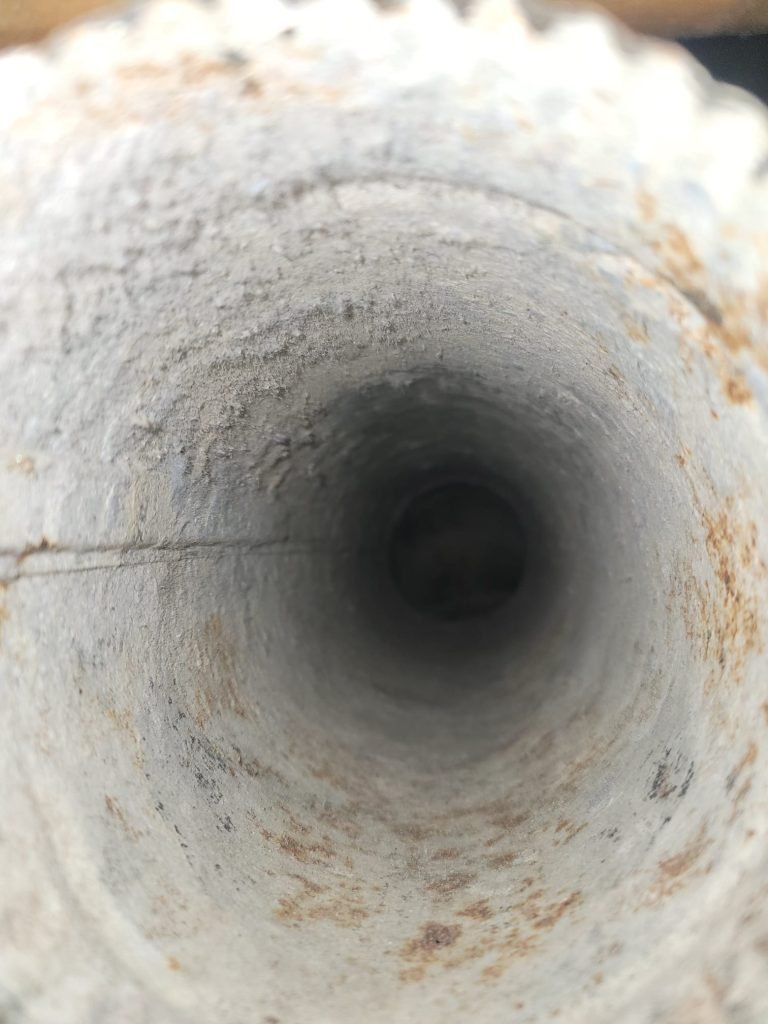
Why Can Towels, Bedding, and Heavy Fabrics Create Different Drying Challenges?
Not all laundry loads dry under the same conditions. Thick towels, comforters, blankets, and heavy clothing often retain more moisture than lightweight garments.
These items may require longer drying times even when the appliance and exhaust system are functioning correctly. Large bedding items can also bunch together, preventing air from circulating evenly through the load.
For busy families, this can make it difficult to distinguish normal differences between fabrics from an actual decline in dryer performance.
Consider a household that washes children’s clothing, bath towels, and bedding throughout the weekend. Lightweight clothing finishes normally, but a large comforter remains damp in the center.
That result may be caused by uneven tumbling rather than a restricted vent. However, if familiar towel loads also begin taking longer under the same settings, the exhaust system deserves consideration.
The most useful approach is to compare similar loads rather than expecting every fabric type to dry in the same amount of time.
If recurring delays suggest an exhaust restriction, professional residential dryer vent cleaning can help determine whether lint accumulation is contributing to the problem.
Can Dryer Vent Cleaning Help Reduce Energy Waste in Busy Households?
When lint accumulation restricts exhaust airflow, a vented dryer may require additional operating time to remove moisture from clothing. Longer cycles can increase energy consumption compared with normal operation under otherwise similar conditions.
For households running several loads each week, repeated unnecessary drying time can become a practical concern.
Suppose a Tampa family regularly needs an additional cycle for towels that previously dried within their normal settings. If restricted exhaust airflow is responsible, removing the accumulation may help the appliance complete those loads more efficiently.
However, dryer vent cleaning does not guarantee a specific reduction in electricity or gas bills. Actual energy use depends on the dryer model, load size, fabric type, selected settings, washer performance, and condition of the appliance.
Families can also support efficient drying by avoiding overloaded drums, using appropriate settings, and maintaining the lint filter.
When a confirmed exhaust restriction is increasing drying time, professional dryer vent cleaning can help restore airflow and reduce unnecessary operation associated with that restriction.
How Can Busy Families Recognize Dryer Vent Problems Before Laundry Starts Piling Up?
One of the challenges of managing family laundry is recognizing small changes before they become routine inconveniences.
A dryer may continue operating even when exhaust airflow is becoming restricted. The first noticeable change might be familiar loads requiring extra time or clothing remaining slightly damp after a normal cycle.
Other possible indicators include weaker airflow at an accessible exterior termination, a vent flap that no longer opens normally, or unusual heat associated with declining drying performance.
Imagine a family preparing school uniforms and work clothes on Sunday evening. The dryer has recently started requiring additional time for loads that previously finished normally.
Rather than continuing to run extra cycles, the homeowner compares load sizes, checks the lint screen, and observes the accessible exterior outlet. If performance continues declining, professional evaluation may help identify the cause.
These symptoms do not prove that lint is responsible. Crushed ductwork, damaged terminations, and appliance problems can produce similar results.
If the problem involves physical exhaust damage, professional dryer vent repair can address damaged connections or duct components rather than relying on cleaning alone.
Why Do Laundry Room Location and Dryer Vent Design Matter for Families?
The location of a laundry room can influence the length and configuration of the exhaust route.
A dryer positioned against an exterior wall may have a relatively short duct, while a laundry room near the center of a home or on an upper floor may require a longer concealed route.
Longer ducts and directional changes can affect airflow resistance and make some sections more difficult for homeowners to inspect.
For example, a two-story Tampa home may have an upstairs laundry room with exhaust ductwork traveling through a ceiling or wall before reaching the exterior.
The family may maintain the lint screen after every load while remaining unaware of accumulation or physical problems farther along the route.
A properly designed longer vent is not automatically unsafe or clogged. Its configuration must be evaluated according to applicable requirements and the appliance manufacturer’s instructions.
When an inspection identifies unsuitable routing or installation concerns, professional dryer vent installation services can help evaluate the exhaust configuration.
What Simple Dryer Maintenance Habits Can Fit Into a Busy Family Schedule?
Busy households benefit from maintenance habits that are easy to repeat without disrupting daily routines.
Start with the lint screen. Cleaning it according to the dryer manufacturer’s instructions should become a regular part of using the appliance.
Avoid placing excessively large loads into the drum, especially when drying bulky towels or bedding. Clothing needs sufficient room to tumble, and the appropriate load size depends on the dryer model.
Families can also pay attention to familiar drying times. If the same types of laundry begin requiring longer cycles, investigate rather than automatically extending the timer.
When safely accessible, visually inspect the transition duct behind the appliance for obvious crushing or disconnection. An exterior wall termination can also be observed from ground level while the dryer operates.
Avoid climbing onto roofs, opening electrical or gas components, or using improvised tools inside concealed ducts.
These habits support routine maintenance but do not replace professional evaluation of the complete exhaust route.
For households managing frequent laundry loads, professional dryer vent cleaning services in Tampa can help address accumulated lint beyond the areas homeowners can safely inspect.
How Often Should Busy Tampa Families Consider Professional Dryer Vent Cleaning?
Families who use their dryers frequently should pay attention to maintenance intervals, but the appropriate schedule depends on more than the number of laundry loads.
The U.S. Fire Administration recommends having dryer vents professionally cleaned at least once a year. Some households may need evaluation sooner because of heavy dryer usage, previous lint accumulation, or changes in drying performance.
A family washing several loads daily may have different maintenance needs from a household that operates the dryer only a few times each week. Vent length, directional changes, appliance condition, and maintenance history also matter.
Homeowners should not wait for an annual appointment if familiar loads suddenly require more time, exterior airflow weakens, or other concerning symptoms develop.
For families establishing a preventive maintenance routine, professional dryer vent cleaning in Tampa can help remove accumulated lint and maintain the exhaust pathway.
Can Professional Dryer Vent Cleaning Help Families Avoid Laundry Disruptions?
A functioning dryer is particularly valuable in households where laundry must fit around school, work, sports, and other daily responsibilities.
When restricted exhaust airflow causes longer drying cycles, the inconvenience can extend beyond a single load. Wet laundry may remain waiting in the washer while another load takes longer than expected.
Professional cleaning can help reduce these disruptions when accumulated lint is responsible for the restriction.
For example, imagine a Tampa family preparing clothing and towels for the upcoming school week. Their dryer has gradually started requiring extra time, making it difficult to finish several loads in one evening.
An evaluation identifies lint accumulation inside the exhaust route. Removing that material may help the appliance return closer to its normal drying performance.
However, cleaning cannot prevent every laundry interruption. Appliance components can fail independently, and overloaded loads or unsuitable settings may still produce longer cycles.
When accumulated lint is affecting the family’s laundry routine, residential dryer vent cleaning can address the restriction rather than relying on repeated drying cycles.
When Might a Busy Family Need Dryer Vent Repair Instead of Cleaning?
Not every exhaust problem can be resolved by removing lint.
A transition duct may become crushed when the dryer is pushed too close to the wall. An exterior termination may be damaged or obstructed, or sections of ductwork may become disconnected.
These conditions can restrict airflow or interfere with proper exhaust discharge even when the duct contains relatively little accumulated lint.
For families with heavily used laundry rooms, it is important to identify the actual cause of declining performance rather than scheduling repeated cleaning appointments without resolving a physical problem.
If the exhaust system has been cleaned but drying performance remains abnormal, the next step may involve inspecting duct condition, evaluating the termination, or diagnosing the appliance.
When damaged components are responsible, professional dryer vent repair can address physical problems affecting exhaust airflow.
If the issue involves unsuitable duct routing, dryer vent installation evaluation may help identify necessary corrections.
What Should Families Look for When Scheduling Professional Dryer Vent Cleaning?
For busy households, a useful professional service should do more than assume every drying problem is caused by lint.
Homeowners can ask whether the service includes evaluation of accessible exhaust connections, cleaning appropriate duct sections, and checking the exterior termination.
It is also helpful to understand how the technician will identify damaged ductwork, restricted airflow, or configuration concerns that cleaning alone cannot resolve.
Families with upstairs laundry rooms or concealed exhaust routes should explain the layout when arranging service. This allows the provider to understand potential access considerations before the appointment.
The goal is to identify and address the condition affecting the exhaust system while minimizing unnecessary work.
Tampa homeowners can explore available professional dryer vent services and review the company’s local business profile for information about its local presence.
What Is the Best Dryer Vent Maintenance Approach for Busy Tampa Families?
The most practical approach combines simple household habits with appropriate professional exhaust-system maintenance.
Families can begin by cleaning the lint screen according to manufacturer instructions, avoiding overloaded dryers, selecting suitable settings, and paying attention to changes in familiar drying cycles.
The complete exhaust route also deserves consideration. Lint accumulation may require professional residential dryer vent cleaning in Tampa, while crushed connections or damaged terminations may need dryer vent repair.
If a home’s laundry room has an unsuitable exhaust configuration, professional dryer vent installation services may be necessary to correct the route.
Families can also explore local dryer vent maintenance options before arranging an evaluation.
The objective is not to schedule unnecessary cleaning after every busy laundry week. It is to maintain the exhaust system appropriately, recognize developing problems, and keep routine laundry from becoming more difficult than necessary.
For help maintaining your household’s dryer exhaust system, contact Superb Dryer Vent Cleaning to discuss professional service in Tampa.
Frequently Asked Questions
Why is dryer vent cleaning important for busy families in Tampa?
Busy families often use their dryers frequently to manage clothing, towels, bedding, and other household laundry. Over time, lint can accumulate inside the exhaust system and restrict airflow. Professional dryer vent cleaning removes accumulated material that may interfere with moisture removal and normal drying performance. Maintaining the exhaust route is especially useful for households that depend on their dryers throughout the week, although cleaning cannot prevent every appliance problem.
Can large laundry loads cause dryer vents to clog faster?
Frequent drying of large loads can increase the amount of textile fibers passing through the appliance over time. While the lint screen captures much of this material, some smaller fibers may enter the exhaust duct. However, load size alone does not determine how quickly a vent accumulates lint. Fabric types, dryer usage, airflow conditions, duct configuration, and previous maintenance also influence buildup. Avoiding overloaded drums helps support effective drying but does not replace exhaust-system maintenance.
How often should a family that does laundry every day clean its dryer vent?
The U.S. Fire Administration recommends professional dryer vent cleaning at least once a year. Families using their dryers daily may benefit from discussing their maintenance needs with a qualified service provider, especially if previous inspections found significant accumulation. The appropriate interval depends on vent length, configuration, laundry volume, and operating conditions. Changes such as longer drying times or weaker exterior airflow should be investigated even if the next scheduled cleaning is months away.
Does dryer vent cleaning help reduce laundry drying time?
It can when accumulated lint is restricting the exhaust route. A restricted vent may prevent a conventional vented dryer from removing moisture as effectively as intended, resulting in longer cycles. Removing the accumulation can help restore airflow and may reduce unnecessary drying time. However, cleaning will not correct delays caused by oversized loads, inappropriate settings, poor washer spin performance, or malfunctioning dryer components.
Are towels and bedding more likely to create dryer vent problems?
Towels, blankets, and other heavy fabrics can release lint and often retain more moisture than lightweight clothing. Frequent drying of these items may contribute to lint entering the exhaust system over time. However, their presence does not automatically mean the vent will become restricted. Fabric condition, household usage, airflow, and duct configuration also matter. Families should compare drying performance across similar loads rather than assuming that every long bedding cycle indicates a clogged vent.
Can professional dryer vent cleaning help lower energy bills for large families?
Professional cleaning may reduce unnecessary dryer operating time when accumulated lint is restricting airflow. If the dryer can remove moisture more effectively after the restriction is addressed, energy consumption associated with repeated or extended cycles may decrease. However, no specific savings can be guaranteed. Electricity or gas usage also depends on the appliance model, load sizes, selected settings, fabric types, and household laundry habits.
What are the warning signs of a restricted dryer vent in a busy household?
Possible warning signs include familiar loads taking longer to dry, clothing remaining damp after normal cycles, weaker airflow at an accessible exterior termination, or unusual heat during operation. A vent flap that no longer opens normally may also deserve attention. These symptoms do not confirm lint accumulation because crushed ductwork, damaged terminations, and appliance faults can produce similar problems. Persistent changes should be evaluated rather than repeatedly adding drying cycles.
Is cleaning the lint screen enough for families who use the dryer frequently?
No. Cleaning the lint screen according to manufacturer instructions is essential routine maintenance, but it does not reveal the condition of the complete exhaust route. Some textile fibers can travel beyond the filter and accumulate inside concealed ductwork. The exhaust system can also develop problems involving damaged connections or obstructed exterior terminations. Families should combine regular filter maintenance with appropriate vent inspections and professional cleaning when needed.
Can a clogged dryer vent damage the dryer?
Restricted exhaust airflow can interfere with normal dryer operation and may contribute to excessive operating temperatures or longer drying cycles. However, a restriction does not automatically mean the appliance has been damaged. The effects depend on the dryer design, severity of the restriction, operating conditions, and protective controls. If the dryer repeatedly overheats, shuts down unexpectedly, or displays unusual behavior, discontinue normal use and arrange an appropriate evaluation rather than assuming cleaning will resolve every issue.
What should busy Tampa families do if their dryer still takes too long after vent cleaning?
If the exhaust system has been cleaned and confirmed to be clear, families should consider other causes of slow drying. Overloaded drums, heavy fabrics, incorrect settings, or a washer leaving clothing excessively wet can increase drying time. Heating elements, gas burners, moisture sensors, and other appliance components may also malfunction. If the exhaust route is functioning correctly but problems continue, a qualified appliance technician may need to diagnose the dryer.
For help keeping up with your family’s laundry needs, schedule professional dryer vent cleaning in Tampa.