


Yes. A clogged dryer vent can contribute to conditions that increase the risk of a dryer fire. Lint is combustible, and a restricted exhaust system can interfere with the dryer’s ability to release heat and moisture properly. That does not mean every partially clogged vent is about to catch fire, but substantial lint buildup and abnormal overheating should never be treated as harmless.
A Tampa resident once requested service because the dryer had started making the laundry room noticeably hotter. Clothes were still drying, so the problem had been ignored for a while. Eventually, towels began requiring longer cycles and came out unusually hot. The lint screen was being cleaned consistently, but inspection farther into the exhaust route revealed significant lint accumulation that was restricting exhaust.
The important discovery was not simply that lint was present. The combination of combustible material, restricted exhaust, and excessive heat made the condition worth correcting rather than continuing to run longer cycles.
This is one reason professional residential dryer vent cleaning and inspection should be considered part of routine laundry-area maintenance rather than something reserved for a vent that has become completely blocked.
How Can a Clogged Dryer Vent Contribute to a Fire?
To understand the concern, it helps to know what the dryer is trying to do during a normal cycle.
The appliance heats the laundry, removes moisture from the fabric, and sends the resulting warm, humid exhaust through a duct to the outdoors. The lint screen captures much of the material released from clothing, but it does not catch every fiber.
Some lint makes its way into the exhaust system.
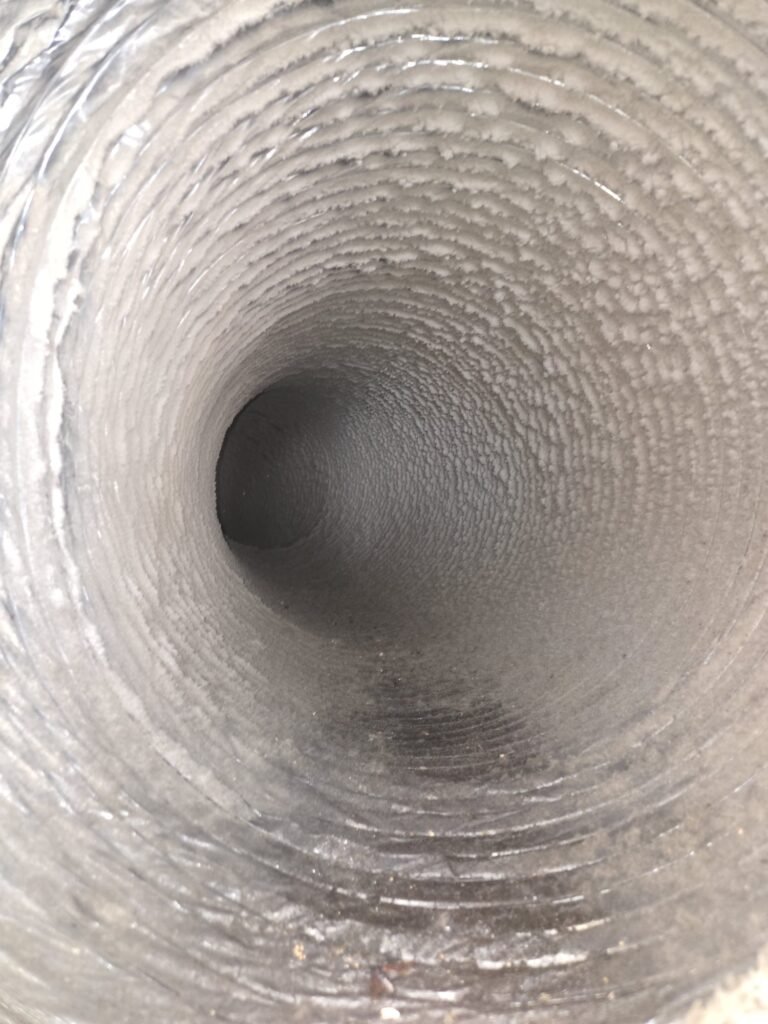
Over many drying cycles, those fibers can accumulate inside the duct, particularly around turns, connections, and other areas where material can settle. If enough buildup develops, the opening available for exhaust becomes smaller.
The dryer may then struggle to release heat and moisture as effectively as it should.
Lint itself is combustible, which is why keeping the dryer and its exhaust system clean is a recognized fire-prevention measure. The U.S. Fire Administration advises users to clean the lint filter before and after each load, clean the area behind the dryer where lint can accumulate, and have the venting system cleaned periodically by qualified professionals.
The practical point is not to assume that a dryer fire is inevitable whenever you discover lint. It is to remove avoidable conditions that can contribute to a fire hazard.
For Tampa residents who are unsure about the maintenance history of their vent, exploring professional dryer exhaust cleaning options is a sensible way to address buildup that cannot be reached through routine lint-screen cleaning.
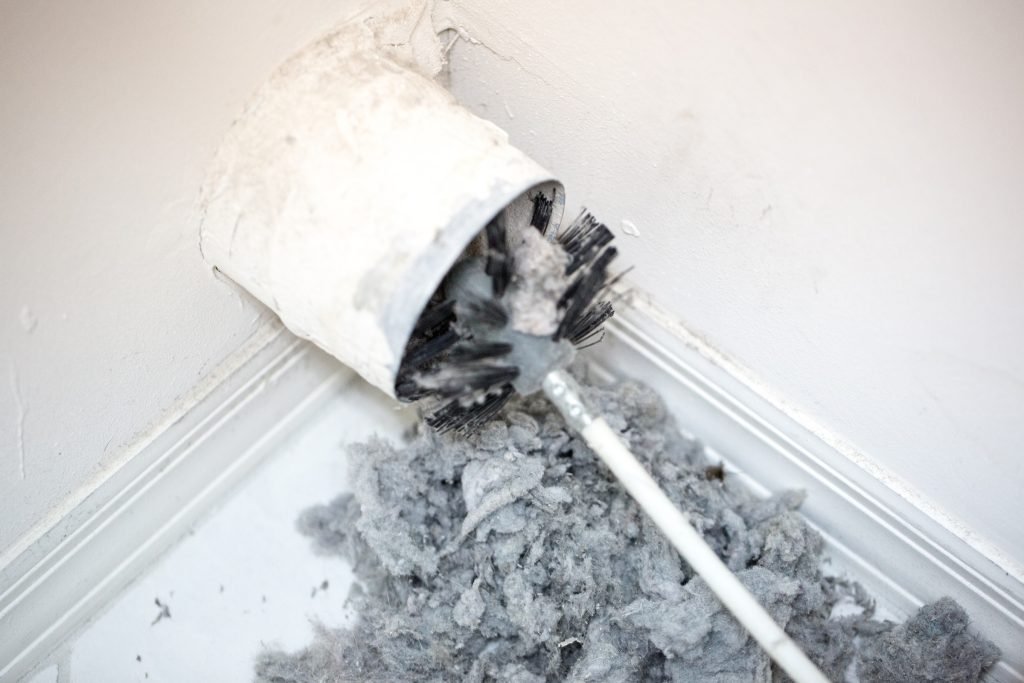
Why Lint Buildup Deserves More Attention Than Most People Give It
Lint looks harmless when you pull a soft layer from the filter after a load.
The problem is where that material can accumulate over time.
A lint screen is designed to capture a substantial amount of fiber before exhaust enters the vent, but fine material can still travel downstream. The longer the exhaust route and the more turns it contains, the more opportunities there are for lint to settle.
Technicians sometimes encounter systems where the resident has cleaned the lint screen after virtually every load, yet buildup is still present farther inside the duct. There is no contradiction there. Cleaning the filter is essential maintenance, but it is not the same as cleaning the exhaust system.
This is why Dryer Vent Cleaning focuses on areas that routine household maintenance cannot easily reach.
The rate of accumulation varies considerably. A household drying towels, bedding, pet blankets, and children’s clothing every day can put much more material through the system than a person doing only a few loads per week.
Vent configuration matters too. A short, direct exhaust route can behave differently from a long duct with multiple elbows.
Good Dryer Vent Maintenance Tampa should account for these differences instead of assuming that every system needs attention on exactly the same schedule.
When the vent’s condition is uncertain, having the full residential exhaust route evaluated can provide more useful information than judging cleanliness from the lint screen alone.
Does an Overheating Dryer Mean There Is a Fire Risk?
An unusually hot dryer is a warning sign, but it is not a diagnosis.
Dryers are designed to operate with heat. What matters is a noticeable change from normal behavior.
If the exterior of the appliance becomes much hotter than it used to, clothing comes out excessively hot, or the laundry area heats up significantly during a normal cycle, restricted exhaust is one possibility that should be investigated.
Appliance problems can also cause overheating, so assuming the vent is responsible without checking the system would be misleading.
A useful clue is whether heat problems appear together with other symptoms.
For example:
- Drying cycles have become longer
- Clothes remain damp despite feeling very hot
- Exterior exhaust seems weaker than before
- The outside vent flap barely opens
- Lint is accumulating around the termination
- The dryer stops unexpectedly during a cycle
Several of these conditions occurring together give stronger reason to inspect the exhaust route.
For Clogged Dryer Vent Cleaning Tampa, the goal should be to confirm that buildup exists and remove the restriction, not simply clean the duct because the appliance feels warm.
If the dryer is repeatedly overheating or showing several unusual symptoms, schedule a professional inspection of the dryer vent system before treating the behavior as normal.
A Dryer Does Not Have to Stop Working to Have a Vent Problem
One of the reasons vent restrictions are easy to overlook is that the dryer may continue operating.
The drum turns. The machine heats. Clothing eventually gets dry.
From the user’s perspective, everything appears functional.
What changes first may be efficiency. A cycle that once took 45 minutes begins taking an hour. Later, towels need a second cycle. Because the deterioration happens gradually, the new drying time starts to feel normal.
That is not the same as the system performing normally.
A partially restricted vent can still move some exhaust. The question is whether it is moving enough for the dryer to operate as intended.
This distinction is important for Residential Dryer Vent Cleaning Tampa because waiting for complete blockage is unnecessary. Changes in cycle time, temperature, and exterior exhaust can provide earlier clues.
Commercial systems deserve the same attention. With higher laundry volume and longer operating hours, Commercial Dryer Vent Cleaning Tampa should be based on actual usage, vent configuration, and inspection findings rather than waiting for equipment to stop working.
A dryer that still runs can still be telling you that something has changed. Recognizing those changes early is one of the simplest ways to keep a manageable maintenance issue from becoming a larger concern.
What Warning Signs Should You Take Seriously?
A developing vent restriction usually gives you clues before it becomes severe. The challenge is recognizing those clues as a pattern instead of treating each one as an unrelated inconvenience.
Longer drying time is often the first noticeable change. If a normal load consistently takes much longer than it used to, the dryer may be having difficulty moving moisture-filled exhaust outdoors.
Excessive heat deserves attention too. Clothes should come out warm, but laundry that is unusually hot to the touch, combined with a dryer cabinet that feels hotter than normal, may indicate that heat is not leaving efficiently.
Other warning signs include:
- Towels or bedding requiring a second cycle
- Clothes remaining damp despite feeling very hot
- Weak exhaust at the exterior termination
- A vent flap that barely opens while the dryer runs
- Lint collecting around the outside vent
- An unusual hot or burning odor
- The dryer shutting off unexpectedly
- A laundry room becoming noticeably warmer during operation
None of these symptoms alone proves that lint is responsible. A dryer can overheat because of an appliance problem, and a damaged or crushed duct can reduce exhaust without being clogged.
What matters is the combination of symptoms and what an inspection reveals.
When several warning signs appear together, a complete residential dryer vent evaluation can determine whether accumulated lint, damaged venting, or another condition is affecting the system.
A Real Service Call Shows Why Multiple Warning Signs Matter
A different Tampa service situation started with an odor complaint.
The resident noticed a hot smell during longer loads but did not see smoke, and the dryer continued operating. Around the same time, bath towels had started taking longer to finish. Because the lint screen was cleaned after every load, the exhaust vent was not initially suspected.
Inspection showed that the visible connection behind the dryer was not the main issue. Farther along the exhaust route, lint had accumulated and reduced the available opening. Exhaust at the outside termination was also weaker than expected while the dryer was running.
The practical takeaway was not that every unusual dryer smell means the vent is about to catch fire. It was that a new odor combined with increased heat and longer drying time should not be dismissed.
Several changes occurring at once provide a much stronger reason to investigate.
If you notice a similar combination, professional Clogged Dryer Vent Cleaning Tampa may be appropriate when an inspection confirms that lint is restricting the exhaust route.
Residents experiencing persistent heat, odor, or drying problems can request an inspection before continuing regular dryer use rather than trying to identify the cause from one symptom alone.
Can Cleaning the Lint Screen Prevent Dryer Vent Fires?
Cleaning the lint screen is one of the most important routine steps you can take, but it does not replace vent maintenance.
The filter should be cleaned according to the dryer’s instructions, typically before or after each load. Keeping it clear allows exhaust to move through the appliance more effectively and reduces the amount of loose lint remaining around the dryer.
The area around and behind the machine should also be kept free of accumulated lint and debris.
What the lint screen cannot do is capture every fiber.
Fine material can still enter the exhaust duct. Over months and years of use, some of it may settle farther downstream where it cannot be reached by removing the filter.
That is why a resident can maintain the lint screen carefully and still eventually need Dryer Vent Cleaning.
A technician may remove very little material near the dryer connection but discover more significant accumulation around a distant bend or termination. Long exhaust runs can make this especially difficult for residents to identify without the right access and equipment.
A practical Dryer Vent Maintenance Tampa routine therefore includes both everyday lint-screen care and periodic attention to the full exhaust system.
For residents who want to understand what professional maintenance can address beyond the lint filter, explore local dryer vent cleaning and inspection services.
Can You Safely Clean a Clogged Dryer Vent Yourself?
Basic maintenance and complete vent cleaning are two different jobs.
You can clean the lint screen, vacuum accessible lint around the appliance, and visually check an exterior termination when it is safely accessible. You can also make sure the dryer has not been pushed tightly enough against the wall to crush the transition connection.
Those steps are useful.
Problems arise when someone assumes that cleaning the first accessible section means the entire vent is clear.
A dryer in an interior laundry room may exhaust through a long duct with several turns before reaching the exterior. Other systems terminate on a roof. In those installations, significant portions of the exhaust route cannot be seen from either end.
There is also a risk of damaging a vent connection or pushing material farther into an inaccessible section if cleaning equipment is used incorrectly.
If the vent is short, accessible, and you understand its configuration, routine maintenance may be straightforward. When the route is long, difficult to access, or already showing symptoms of substantial restriction, professional evaluation is the safer and more complete approach.
For Residential Dryer Vent Cleaning Tampa, the objective should be to confirm that the exhaust route is clear from the appliance connection to the termination, not simply to remove whatever lint happens to be visible.
The same principle applies to other exhaust systems. Kitchen ventilation collects grease rather than fabric lint, creating a separate maintenance need. If cooking exhaust is also showing signs of buildup or poor performance, professional kitchen range hood cleaning and maintenance can address that system independently.
How Often Should the Dryer Vent Be Cleaned for Fire Prevention?
There is no single cleaning interval that fits every property.
For many residential dryers, annual professional cleaning is a practical starting point. But actual frequency should reflect laundry volume, exhaust length, vent configuration, and what previous inspections have revealed.
A household running the dryer nearly every day may accumulate lint faster than someone doing two or three loads per week.
Vent design matters just as much.
A short route with minimal turns can behave differently from a long duct traveling through walls or ceilings. If a previous cleaning revealed substantial buildup after eight months, waiting a full year simply because it is a common guideline may not make sense.
The opposite can also occur. A lightly used, properly configured vent may show relatively little accumulation at its annual inspection.
For commercial equipment, usage becomes even more important. Commercial Dryer Vent Cleaning Tampa schedules should reflect operating hours, laundry volume, equipment requirements, vent design, and prior maintenance findings.
The most useful schedule is one based on the actual system. Regular inspection gives you the information needed to adjust that interval instead of relying entirely on a date on the calendar.
What Actually Happens as a Dryer Vent Becomes More Restricted?
A clogged dryer vent usually develops gradually.
At first, a thin layer of lint may settle inside the exhaust route without creating an obvious performance problem. More fibers can collect over time, particularly around bends, connections, or areas where the duct has been compressed.
As the available opening becomes smaller, moving hot, moisture-filled exhaust outdoors becomes more difficult.
This is where residents may start noticing longer drying cycles. Towels need extra time. Heavy clothing stays damp. The dryer feels warmer. Instead of identifying these changes as warning signs, it is easy to compensate by adding another 20 or 30 minutes.
That additional runtime does not remove the restriction.
From a fire-prevention perspective, the concern is the combination of accumulated combustible lint and abnormal heat conditions. It would be inaccurate to claim that every restriction will cause a fire, but allowing substantial buildup to remain inside a dryer exhaust system creates an avoidable hazard.
The U.S. Fire Administration recommends regular dryer maintenance, including keeping the lint filter and dryer area clean and having the vent system serviced periodically. That guidance matches what experienced technicians emphasize in the field: prevention is much easier than waiting for severe restriction.
If your vent has an unknown maintenance history, professional cleaning of the complete residential exhaust route can help determine whether accumulated lint needs to be removed.
Does Tampa’s Climate Affect Dryer Vent Fire Risk?
Tampa’s climate does not create lint inside a dryer vent, and humidity by itself should never be described as a cause of dryer fires.
The local climate does make effective moisture removal important.
Tampa experiences warm, humid conditions for much of the year. A dryer already has the job of removing significant moisture from wet fabric and carrying it outdoors. If the exhaust route becomes restricted, the laundry area may feel warmer and more humid during operation because the system is not performing as efficiently as it should.
This can make performance changes easier to notice.
For example, if a laundry room that normally stays comfortable suddenly becomes noticeably hotter whenever the dryer operates, that change is worth investigating. The cause could be restricted venting, a damaged connection, or an appliance issue.
The practical local consideration is not “Tampa humidity causes clogged vents.” It is that residents should avoid dismissing excessive laundry-room heat as normal simply because the outdoor climate is warm.
Good Dryer Vent Maintenance Tampa means comparing the dryer’s current behavior with its normal performance throughout the year.
Tampa residents can review local dryer vent inspection and maintenance options when heat, cycle time, or exhaust performance begins changing consistently.
What If You Smell Something Burning?
A burning smell should be treated differently from an ordinary maintenance reminder.
Stop using the dryer if you smell something that appears to be burning, notice smoke, or see another sign of an active electrical or overheating problem. Continuing to run another cycle to “see if it happens again” is not a sensible troubleshooting method.
There are several potential causes of an unusual odor.
Lint and debris may be present around the dryer or exhaust system. An item may have been left in a pocket. Appliance components may be overheating. Electrical problems can also produce odors that have nothing to do with a clogged vent.
This is why Dryer Vent Cleaning should not be presented as a cure for every burning smell.
A technician needs to determine where the problem originates.
One field scenario involved a resident who assumed a hot odor was simply coming from a heavy towel load. When the same odor returned with ordinary clothing and the dryer also began running hotter, the situation clearly deserved more attention. The exhaust system was checked as part of the investigation rather than continuing to operate the appliance and guessing.
The lesson is straightforward: a persistent unusual odor is information. Use it.
If the dryer is safe to inspect and the concern appears related to restricted exhaust rather than an active emergency, arranging a professional evaluation of the dryer vent can help determine whether lint buildup is involved.
Why Replacing the Dryer Does Not Fix a Clogged Vent
Buying a new dryer may seem like the logical response when the old one starts running hot or taking too long.
But the appliance and exhaust duct are separate parts of the laundry system.
When a new dryer is installed, it may be connected to the same vent that served the previous machine for years. If that exhaust route contains significant lint buildup, installing new equipment does not remove it.
Technicians sometimes encounter this after an appliance replacement. The resident expected much faster drying from the new machine but notices that cycle times remain disappointing.
The dryer changed. The exhaust route did not.
This is why inspecting the existing vent during appliance replacement can be worthwhile, particularly when its maintenance history is unknown.
For Residential Dryer Vent Cleaning Tampa, establishing a clean exhaust path can also create a useful baseline for future maintenance. You know the condition of the system at the beginning rather than inheriting an unknown amount of buildup.
The same principle applies to businesses replacing high-use equipment. Commercial Dryer Vent Cleaning Tampa should account for the condition of existing exhaust infrastructure rather than assuming new machinery means the entire laundry setup is new.
A new dryer deserves a vent system capable of exhausting it properly.
Can Other Exhaust Systems Create Similar Maintenance Concerns?
Dryer vents are unusual because they carry lint, heat, and moisture, but they are not the only exhaust systems in a building that collect material over time.
Kitchen ventilation is another example.
A range hood moves cooking vapors, moisture, heat, and airborne grease away from the cooking area. Instead of fabric fibers, grease and residue can collect on filters and other accessible components.
The maintenance procedures are different, but the underlying principle is familiar: an exhaust system cannot be expected to perform indefinitely without attention to the material it collects.
In real properties, these systems are often forgotten because they continue making noise and moving some air. Operation gets mistaken for proper performance.
Residents noticing heavy grease buildup or declining kitchen exhaust performance can explore professional range hood cleaning and maintenance separately from dryer service.
The important point is not to treat every exhaust system identically. It is to recognize that ventilation equipment needs maintenance appropriate to what it handles and how frequently it operates.
For a dryer vent, that means paying particular attention to lint accumulation, heat, cycle time, and whether exhaust is actually reaching the outdoors effectively.
When Should You Have a Dryer Vent Professionally Inspected?
You do not need to wait for a complete blockage before having the vent checked.
A professional inspection makes sense when the dryer’s normal behavior changes and the cause is not obvious. Longer cycles, excessive heat, weak exterior exhaust, repeated damp loads, or visible lint around the termination can all justify taking a closer look.
Maintenance history matters too. If you recently moved into a property and do not know when the vent was last cleaned, an inspection can establish a useful baseline. The same applies after replacing a dryer because new equipment may still be connected to an older exhaust route.
Higher-use laundry rooms deserve closer monitoring. A large family doing laundry almost every day can send considerably more lint through a vent than a lightly used system. Businesses may have even greater demands, which is why Commercial Dryer Vent Cleaning Tampa schedules should reflect operating hours, laundry volume, vent configuration, and previous inspection findings.
For residential systems, a complete dryer vent inspection and cleaning can address buildup beyond the lint screen and help identify other exhaust problems that may be affecting dryer performance.
Reducing Dryer Fire Risk Starts With Simple Maintenance
The most useful fire-prevention habits are not complicated.
Clean the lint screen after each load. Keep loose lint and stored items away from the dryer. Avoid overloading the machine. Make sure the transition connection behind the appliance is not crushed. When safely accessible, occasionally check that the exterior termination opens while the dryer is running.
Then pay attention to changes.
A dryer that suddenly needs longer cycles, becomes unusually hot, produces an unfamiliar odor, or sends noticeably less exhaust outside should not simply be treated as an aging appliance.
For ongoing Dryer Vent Maintenance Tampa, the condition of the complete exhaust route matters just as much as the lint you remove from the filter.
That is especially true with long vents, systems containing several turns, roof terminations, and laundry equipment used frequently. These configurations can be difficult to evaluate by looking only behind the dryer.
If you are unsure about the condition or history of the system, explore professional dryer vent maintenance options available throughout Tampa from Superb Dryer Vent Cleaning. If other exhaust systems also need attention, professional kitchen range hood cleaning and maintenance can address grease and residue accumulation in the cooking area separately.
If your dryer is already showing persistent heat, odor, or exhaust problems, schedule a professional dryer vent evaluation rather than waiting for the restriction to become more severe.
For Dryer Vent Cleaning Tampa, FL, the practical goal is not to create fear around every piece of lint. It is to remove avoidable buildup, maintain an effective exhaust route, and respond when the dryer begins behaving differently.
Contact Superb Dryer Vent Cleaning if your dryer vent is due for a professional evaluation.
Frequently Asked Questions
Can lint in a dryer vent actually catch fire?
Lint is combustible, which is one reason accumulated lint should not be ignored. A clogged vent can also interfere with normal heat and exhaust removal. Regular lint-screen cleaning and periodic vent maintenance help reduce avoidable risk.
Does every clogged dryer vent cause a fire?
No. A clogged vent does not mean a fire will occur. The concern is that combustible lint buildup and abnormal heat can create unfavorable conditions. The responsible approach is to correct significant restrictions rather than assume they are harmless.
What are the biggest warning signs of a clogged dryer vent?
Longer drying cycles, unusually hot clothes, excessive dryer heat, weak exterior exhaust, lint around the outside termination, and unusual odors are common signs worth investigating. Several symptoms occurring together provide stronger evidence of a vent problem.
Should I stop using my dryer if I smell something burning?
Yes. If you smell something that appears to be burning, notice smoke, or suspect an electrical or overheating problem, stop using the dryer and have the cause evaluated. Do not keep running cycles to test whether the smell returns.
Is cleaning the lint trap enough to prevent vent buildup?
No. Cleaning the lint screen after every load is essential, but some fine fibers can still pass into the exhaust system. Over time, material may accumulate in sections that cannot be reached through the lint-filter opening.
How often should I schedule Dryer Vent Cleaning Tampa, FL?
Annual service is a practical starting point for many residential systems, but there is no universal interval. Laundry volume, vent length, number of turns, equipment usage, and previous inspection findings should help determine the appropriate schedule.
Can a new dryer have problems because of an old vent?
Yes. Replacing the appliance does not clean the existing exhaust route. A new dryer connected to an older vent can still experience poor exhaust if lint buildup, a damaged connection, or another restriction is present.
Can a clogged vent make my dryer overheat?
Restricted exhaust can contribute to excessive heat because the dryer may have difficulty releasing hot, moisture-filled air. Appliance problems can also cause overheating, so the complete situation should be evaluated.
Can I clean a clogged dryer vent myself?
Basic tasks such as cleaning the lint screen, vacuuming accessible lint, and checking an accessible exterior termination are useful. Long ducts, multiple bends, roof terminations, or substantial restrictions can be difficult to clean and verify without professional equipment and experience.
When is professional Dryer Vent Cleaning necessary?
Professional Dryer Vent Cleaning is worth considering when warning signs persist, the maintenance history is unknown, the exhaust route is difficult to access, or an inspection indicates buildup farther inside the system. The objective is to address the actual restriction rather than cleaning unnecessarily.