


Most people pay attention to the dryer itself when clothes start taking longer to dry. The exterior vent cover rarely gets the same attention. Yet that small opening on the outside of the building can provide useful clues about what is happening throughout the vent line.
A Tampa resident once described a dryer that seemed to be working normally except that towels were taking nearly two cycles to dry. There was no obvious problem behind the appliance, and the lint screen was being cleaned after every load. Outside, however, the exhaust flap barely opened while the dryer was running. A closer inspection revealed a substantial lint restriction farther inside the vent line. The dryer was producing air, but the blockage prevented enough of it from reaching the exterior.
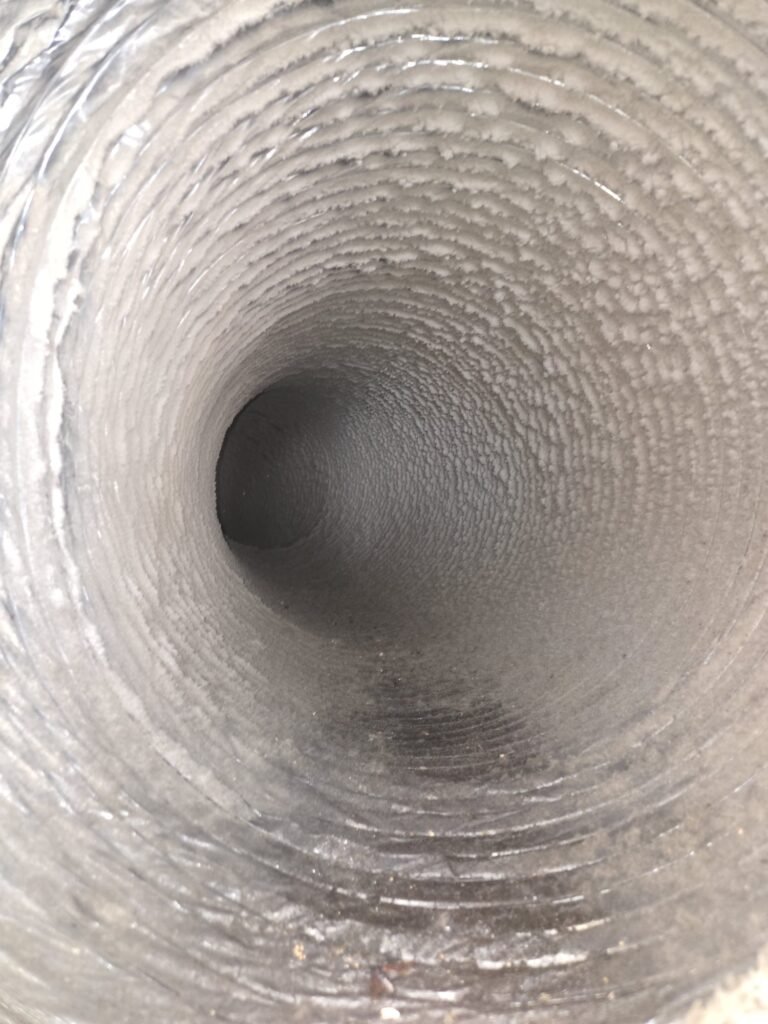
That distinction matters. A lint screen captures a large amount of lint, but it does not capture everything. Small fibers continue into the exhaust duct. Over time, buildup, bends in the vent route, damaged ductwork, or an obstruction near the termination point can interfere with normal exhaust.
For Tampa residents, checking the outside termination is especially useful because dryers may vent through exterior walls or more complicated routes depending on the building layout. When something does not look right outside, the issue may be much farther inside.
Professional residential dryer vent cleaning and inspection options can help determine whether the problem is limited to the exterior cover or involves buildup deeper in the line.
The Exterior Vent Is the Final Checkpoint for Dryer Exhaust
Think of the exterior termination as the last visible point in a system that is mostly hidden.
When the dryer runs, warm, moisture-laden exhaust travels from the appliance through the connecting duct and vent line before leaving the building. At the exterior opening, a properly functioning flap or louvers should respond to that outgoing air. The exact amount of movement varies with the vent design and dryer, but a cover that barely moves deserves attention when it is combined with poor drying performance.
An exterior vent can reveal several useful warning signs:
- A flap that barely opens while the dryer operates
- Lint collecting around the vent opening
- Damp lint sticking to the cover
- A flap that remains stuck open after the dryer stops
- Debris or nesting material around the termination
- A damaged, cracked, or missing exterior cover
- Noticeably weak exhaust at the outlet
These signs do not automatically identify the exact problem. For example, a weak exterior exhaust could result from lint accumulation, a crushed transition duct behind the dryer, an unusually restrictive vent route, or a mechanical issue with the appliance itself. That is why the exterior vent is best treated as a clue rather than a complete diagnosis.
One useful habit is to occasionally look at the exterior termination while the dryer is operating. You do not need to disassemble anything. Simply noticing how the vent behaves can help you recognize a change before the problem becomes severe.
For residents who are unsure whether an exterior warning sign points to a deeper restriction, exploring professional dryer vent solutions in Tampa can provide a clearer understanding of the available inspection and maintenance options.
Why Lint Around the Outside Vent Deserves Attention
A small amount of lint near an exterior opening does not always indicate a serious blockage. Dryer exhaust naturally carries fine fibers that pass through the lint screen.
The pattern and amount are more informative.
During an exterior check, a thick layer of lint packed behind the flap tells a different story from a few loose fibers around the opening. Heavy accumulation may interfere with the cover’s movement and can sometimes indicate that lint is collecting elsewhere along the vent route.
This is also why cleaning only what can be reached from outside may not solve the underlying problem. If several feet of duct contain buildup, removing lint from the termination leaves the deeper restriction untouched.
Proper Dryer Vent Cleaning addresses the vent path rather than treating only the visible symptom. For systems showing signs of significant restriction, Clogged Dryer Vent Cleaning Tampa service may involve evaluating the vent route and clearing accumulated material that cannot be reached through routine lint-screen maintenance.
Exterior lint can also become more noticeable when moisture is involved. Dryer exhaust contains moisture removed from clothing. If damp fibers collect near the termination, they can cling to surfaces instead of blowing away easily.
This is one reason Dryer Vent Maintenance Tampa should involve more than occasionally wiping the exterior cover. The condition of the full exhaust path matters.
The same principle applies to other household exhaust systems. Grease and debris can accumulate in kitchen exhaust components in a completely different way, and residents concerned about those systems can review professional kitchen range hood cleaning options separately rather than assuming dryer vent maintenance addresses both systems.

When a Vent Flap Barely Opens, the Restriction May Be Deeper Inside
An exterior flap that moves only slightly while the dryer is running is one of the more useful clues a resident can observe without touching the vent system. The dryer may sound normal, the drum may turn normally, and heat may still be present, yet the exhaust reaching the outside can be noticeably weak.
The problem is not always at the exterior opening.
A service call can start with a complaint as simple as, “The dryer gets hot, but everything takes forever to dry.” In one inspection, the outside cover had already been cleaned by the resident, so it looked clear at first glance. Once the vent line was checked, lint buildup was discovered around multiple bends farther upstream. Removing debris from the exterior opening alone would never have addressed that restriction.
This is particularly important with longer vent routes. Every turn creates another place where lint can settle, especially when exhaust performance begins to decline.
Other possible causes of a weak exterior exhaust include:
- A crushed or sharply bent transition duct behind the dryer
- Lint buildup along the main vent route
- A partially obstructed exterior termination
- Loose or damaged duct connections
- An unnecessarily long or complicated vent path
- Problems with the dryer’s exhaust performance
That is why the outside flap should not be used to diagnose the system by itself. It tells you that something deserves attention, but a proper evaluation identifies where the restriction actually is.
For Tampa residents experiencing weak exhaust along with slow drying, professional residential vent cleaning can address buildup throughout the exhaust route instead of focusing only on the visible outlet.
A Vent Cover That Stays Closed Can Point to More Than Lint
Sometimes the exterior cover does not open at all.
Before assuming there is a severe clog, the cover itself should be considered. Hinged flaps and louvers can become stuck because of dirt, deterioration, physical damage, paint, or debris around the opening. Outdoor exposure eventually affects these components, particularly when they have been installed for many years.
The important question is whether the cover is stuck mechanically or whether too little exhaust is reaching it.
If the flap can move freely when the dryer is off but barely responds when the appliance runs, a restriction somewhere along the exhaust path becomes more likely. If the flap itself is damaged or difficult to move, the exterior termination may be contributing to the problem.
Tampa’s warm, humid conditions can also make exterior components worth watching throughout the year. Moist lint and outdoor debris may adhere more easily around a termination than completely dry material. This does not mean Tampa humidity automatically causes a clogged dryer vent, but outdoor conditions can affect how exposed components age and collect debris.
For this reason, Residential Dryer Vent Cleaning Tampa should include attention to how effectively exhaust reaches the termination, not simply how much lint is visible at the opening.
Residents who notice persistent exterior vent problems can review local dryer vent cleaning and maintenance solutions to understand when a full vent evaluation makes more sense than repeatedly cleaning the cover.
What a Vent Flap That Stays Open Can Tell You
A flap that will not close deserves attention for a different reason.
The exterior cover is designed to allow exhaust out while helping limit unwanted material from entering when the dryer is not operating. If lint becomes lodged around the hinge or louvers, the cover may remain partially open after a cycle ends. Physical damage can cause the same problem.
This creates an opportunity for outdoor debris and, depending on the vent design and location, insects or small animals to enter the termination.
A resident may first notice this while walking around the building rather than because of a drying problem. That is useful information. Not every vent issue begins with wet clothes.
Technicians sometimes remove an exterior cover expecting to find only lint and instead discover leaves, nesting material, or other debris immediately inside the termination. When that happens, the next step is not simply replacing the cover. The accessible vent route needs to be evaluated to determine whether material extends farther inside.
A damaged cover should therefore be treated as part of the exhaust system, not merely as an exterior cosmetic item.
Routine Dryer Vent Maintenance Tampa can help identify these small problems before they become harder to correct. Residents who discover a damaged or obstructed termination can contact a local dryer vent professional for an appropriate inspection rather than trying to determine the depth of an obstruction from outside.
Why the Location of the Exterior Vent Changes What You Can Observe
Not every dryer terminates through a convenient ground-level wall.
Some laundry rooms sit against an exterior wall and have relatively direct vent routes. Others are positioned deeper inside the building, upstairs, or in layouts that require the duct to travel a greater distance before reaching the exterior. The termination may be on a side wall or higher on the structure.
That difference matters.
A short, relatively straight route generally gives exhaust fewer places to encounter resistance. Longer routes and multiple turns create more opportunities for lint to settle and make it harder for a resident to judge the system simply by looking behind the dryer.
This is where the exterior termination becomes especially valuable as an observation point. If drying performance has changed and the exhaust at the termination seems weaker than it used to be, the combination provides more useful information than either symptom alone.
Commercial buildings can present another set of challenges because equipment use, vent routing, and laundry volume may differ considerably from a typical residence. Commercial Dryer Vent Cleaning Tampa should therefore be evaluated according to the actual installation and usage rather than applying a residential maintenance assumption to every system.
Whether the vent serves a single-family residence, condominium, rental, or commercial space, Superb Dryer Vent Cleaning’s Tampa service information can help property owners understand the appropriate approach for their particular vent configuration.
When Exterior Vent Problems Start Affecting Dryer Performance
An exterior vent problem becomes more meaningful when it appears alongside changes inside the laundry room.
Clothes taking longer to dry, loads remaining damp in certain areas, or the dryer running through an additional cycle can all suggest that exhaust is not leaving as efficiently as it should. The exterior termination provides another place to check whether those indoor symptoms may be connected to the vent path.
One mistake is assuming that strong heat means the vent is working properly. A dryer can still produce heat while having difficulty moving warm, moisture-filled air through a restricted exhaust line. The clothing may get hot without drying efficiently because moisture is not being carried away as effectively.
This is why the combination of symptoms matters more than any single observation. A barely moving exterior flap plus longer drying cycles deserves more attention than a slightly dusty vent cover with otherwise normal dryer performance.
A professional evaluation can determine whether thorough residential dryer vent cleaning is appropriate or whether another part of the installation needs attention.
What You Can Safely Check Before Scheduling Service
There are several observations residents can make without taking apart the dryer or vent system.
Start by cleaning the lint screen and running a normal load. While the dryer operates, look at the exterior termination from a safe, accessible location. The flap or louvers should respond to the exhaust rather than remaining completely motionless.
Look for visible lint around the opening, damaged components, or debris that may prevent the cover from moving normally. Once the dryer stops, check whether the flap returns to its closed position.
Back inside, pay attention to drying time. If a load that previously dried in one cycle now consistently needs another cycle, that change is useful information.
Avoid reaching deeply into an exterior duct or attempting to access roof-mounted terminations without appropriate equipment. A vent line can extend well beyond the area visible from either end, so clearing a small amount of lint near the opening does not confirm that the rest of the route is clear.
This is particularly relevant when Clogged Dryer Vent Cleaning Tampa is being considered. The goal is not simply to make the exterior opening look clean. The restriction affecting exhaust performance may be several feet away.
For questions about an unusual vent condition or an inaccessible termination, residents can request guidance from a local dryer vent specialist before attempting work that requires accessing hidden or elevated portions of the system.
Why Professional Cleaning Looks Beyond the Exterior Cover
A proper vent cleaning should address the exhaust route, not just the most visible lint.
The exterior cover can provide the first clue, but determining what is happening inside requires looking at the system as a whole. Vent length, bends, connections, termination condition, and the amount of accumulated material can all influence performance.
This is also where experience matters. Two exterior vents may appear almost identical while the ductwork behind them is completely different.
For example, one vent may connect to a short run directly behind a laundry room wall. Another may travel through a ceiling or across a significant portion of the structure before terminating outside. The second installation can have several areas that cannot be evaluated by looking into the exterior opening.
A professional Dryer Vent Cleaning service can clear accumulated lint through the accessible exhaust path while also identifying obvious conditions that may continue to interfere with performance. If a crushed connection, damaged termination, or unusual vent configuration is discovered, cleaning alone may not be the entire solution.
Industry safety guidance also supports paying attention to the complete dryer exhaust path rather than relying only on the lint screen. The supplied local business profile and customer information can also help Tampa residents verify the service provider and review local experience before arranging work.
For systems used frequently, Dryer Vent Maintenance Tampa is most useful when it is based on the actual vent configuration and laundry habits rather than an assumption that every dryer requires exactly the same schedule.
The Exterior Vent Can Also Reveal Installation Problems
Lint is not responsible for every unusual exterior vent condition.
Sometimes the underlying issue is how the exhaust system was installed or how it has changed over time. A vent route with unnecessary bends, a crushed flexible connection behind the appliance, or a poorly functioning exterior termination can restrict exhaust even when lint accumulation is not severe.
One practical clue is a recurring problem soon after cleaning. If the exterior exhaust improves after service but becomes weak again unusually quickly, the vent configuration deserves closer attention. Cleaning may remove the immediate buildup without correcting the condition that encourages it to return.
The same applies after replacing or moving a dryer. Pushing the appliance too close to the wall can compress the transition duct behind it. From the laundry room, the connection may be difficult to see. Outside, reduced flap movement may be the first visible indication that exhaust performance changed after the appliance was repositioned.
A technician evaluating Residential Dryer Vent Cleaning Tampa should therefore consider more than the amount of lint removed. How the system is routed and how effectively it exhausts afterward are equally useful pieces of information.
Other exhaust equipment should be treated independently. A kitchen hood, for example, handles grease-laden cooking exhaust rather than dryer lint. If buildup is visible around that system, professional kitchen range hood maintenance addresses a different cleaning need and should not be confused with dryer vent service.
Knowing When an Exterior Vent Clue Deserves Professional Attention
Not every bit of lint around an exterior vent means the duct has a serious restriction. What matters is the combination of what you can see outside and how the dryer is performing inside.
If the exterior flap barely opens, lint repeatedly collects around the termination, clothes need extra cycles, or the exhaust seems noticeably weaker than it used to be, the full vent path is worth evaluating. The same applies when the cover remains stuck open, visible debris keeps returning, or cleaning around the outlet does not improve performance.
One Tampa service call began after a resident repeatedly cleared lint from the exterior cover. Each time, the opening looked better, but the dryer continued taking longer to finish heavier loads. The visible lint turned out to be only the end of the problem. Material had accumulated farther along the vent route, where it could not be reached from outside. Once the full line was addressed, the resident had a much clearer explanation for why cleaning the cover alone had made little difference.
That is a useful takeaway for any dryer vent system. The exterior termination is an observation point, not a complete picture of what is happening inside the duct.
The right maintenance approach also depends on usage. A household doing several loads most days may need attention sooner than a lightly used system with a short, straightforward vent route. Commercial laundry equipment can create a completely different workload, which is why Commercial Dryer Vent Cleaning Tampa should be considered according to equipment use and vent configuration rather than a one-size-fits-all interval.
For residential systems showing these warning signs, explore professional cleaning for the complete dryer exhaust route to understand what a full service involves. Tampa residents can also review Superb Dryer Vent Cleaning’s local service options when deciding what type of vent attention fits their property.
The exterior vent should ultimately make you more observant, not more worried. A quick look while the dryer is operating can reveal changes that would otherwise remain hidden inside walls, ceilings, or longer duct runs. When those changes appear alongside poor drying performance, repeated lint accumulation, or an obstructed termination, professional Dryer Vent Cleaning Tampa, FL can help determine what is actually happening rather than relying on guesswork.
If another exhaust system also needs attention, explore professional kitchen range hood cleaning solutions for service specific to cooking exhaust and grease buildup.
For persistent vent concerns, schedule an evaluation with a Tampa dryer vent professional.
Frequently Asked Questions
1. What should my outside dryer vent look like when the dryer is running?
The flap or louvers should generally open as exhaust reaches the termination. The exact movement depends on the vent design and dryer, but a cover that remains nearly closed while the dryer operates may indicate a problem with the cover, exhaust path, or appliance.
2. Why is lint collecting around my outside dryer vent?
Some fine lint can pass through the dryer’s lint screen. Heavy or recurring accumulation around the exterior opening may indicate buildup near the termination or farther inside the vent line. It is worth paying closer attention if drying times have also increased.
3. Does weak air coming from the outside vent mean it is clogged?
Not necessarily. Lint buildup is one possibility, but weak exhaust can also be associated with a crushed transition duct, restrictive vent routing, a damaged exterior cover, or an appliance-related problem. The full system needs to be considered before identifying the cause.
4. Can I tell if my dryer vent is clogged by looking outside?
You can identify clues, but you usually cannot see the entire vent route from the exterior opening. A vent can look relatively clean at the termination while lint is accumulating around bends or deeper inside the duct.
5. Why does my dryer vent flap stay open when the dryer is off?
Lint, dirt, physical damage, or debris around the hinge can prevent a flap from closing correctly. A cover that remains open can also allow outdoor debris or pests to enter the termination, depending on its location and design.
6. Can I clean a clogged dryer vent from the outside myself?
Visible lint around an accessible exterior cover can sometimes be removed without entering the duct. However, cleaning the opening does not confirm that the full vent route is clear. Deep, long, elevated, or difficult-to-access vent lines may benefit from professional evaluation.
7. How often should I check the exterior dryer vent?
There is no need to inspect it after every load, but periodically observing the termination while the dryer runs is a useful maintenance habit. Check sooner if drying performance changes, the exterior flap stops moving normally, or lint begins accumulating around the outlet.
8. Does Tampa’s humidity affect dryer vent buildup?
Humidity does not automatically cause a clogged vent, but dryer exhaust already contains moisture removed from clothing. Damp lint can adhere to surfaces, and Tampa’s outdoor conditions can also affect exposed vent covers over time. The actual vent design, laundry volume, and maintenance history remain important factors.
9. When should I consider Dryer Vent Cleaning Tampa, FL?
Consider having the system evaluated when drying times increase, exterior exhaust becomes noticeably weaker, lint repeatedly collects around the termination, or the vent cover does not operate normally. These symptoms can help a professional determine whether cleaning or another correction is appropriate.
10. Will professional dryer vent cleaning fix every dryer performance problem?
No. Vent cleaning can address lint and debris restricting the exhaust path, but dryers can also develop mechanical or electrical problems. If the vent is clear and performance remains poor, the appliance itself may need to be evaluated.