


A Tampa homeowner recently called because their dryer seemed to be taking slightly longer to dry clothes than usual. The change had been gradual. There were no warning lights, no unusual noises, and no obvious signs of trouble. Since the weather was warm year-round, the homeowner didn’t think much about it.
Months later, the situation became impossible to ignore.
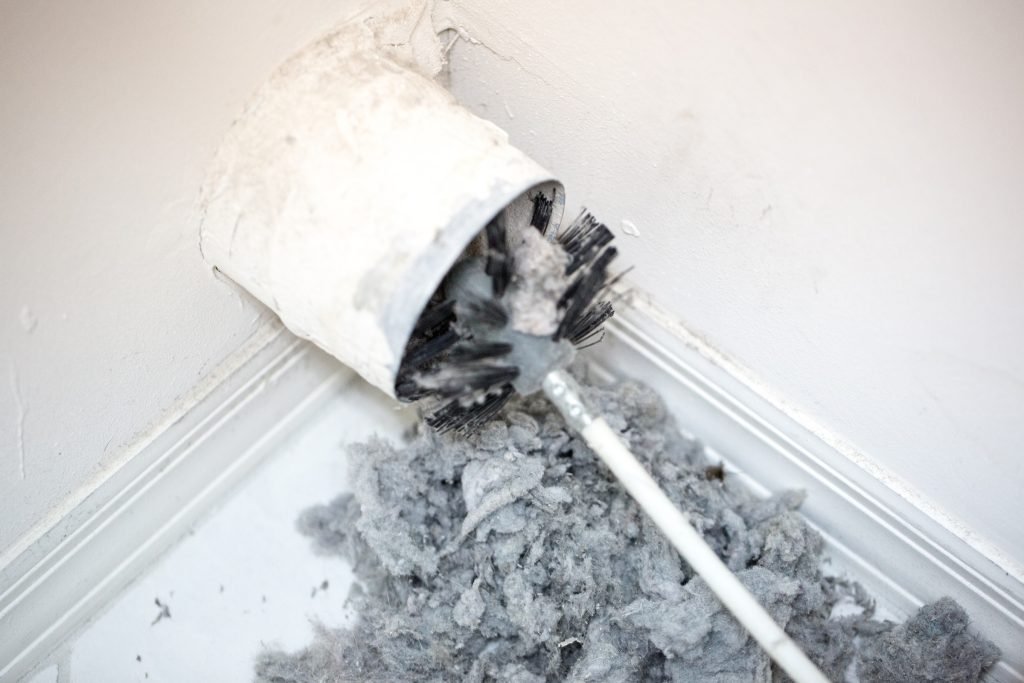
Laundry that once dried in a single cycle required two or three. The laundry room felt hotter than normal, and energy bills had quietly increased over time. When the vent system was inspected, a significant lint blockage was discovered.
What made the situation interesting was that the problem had likely been developing for years.
The homeowner simply never noticed the early warning signs.
This happens more often than many people realize. Tampa’s climate creates conditions that can make dryer vent problems less obvious than they might be in cooler regions. Because warm temperatures are expected throughout much of the year, many property owners overlook subtle changes that could indicate airflow restrictions developing inside the vent system.
Understanding how local weather affects perception can help prevent small problems from becoming larger maintenance concerns.
Warm Temperatures Make Excess Heat Less Noticeable
One of the first warning signs of a restricted dryer vent is excess heat.
When airflow becomes limited, heat that should be exhausted outdoors can accumulate around the dryer and laundry area.
In cooler climates, homeowners often notice this immediately. A suddenly warm laundry room during cold weather stands out.
Tampa presents a different situation.
When outdoor temperatures remain high for much of the year, additional warmth near the dryer may not seem unusual. Homeowners often assume the heat is simply part of living in Florida.
As a result, one of the earliest signs of airflow restriction can go unnoticed.
The dryer continues operating, while lint buildup gradually increases inside the vent system.
Drying Times Often Increase So Gradually That People Adapt
Most vent problems develop slowly.
Rarely does a dryer go from operating perfectly to experiencing severe airflow restrictions overnight.
Instead, drying performance often changes little by little.
A load that once dried in 45 minutes begins taking 55 minutes.
A few months later, it requires an hour.
Eventually, two cycles become necessary.
Because the change occurs gradually, many people adapt without realizing it.
One homeowner explained that they simply assumed newer clothing materials took longer to dry than older garments. Another believed the dryer was naturally aging.
In reality, the vent system had been accumulating lint for an extended period.
This gradual progression is one reason routine Dryer Vent Cleaning remains important even when obvious symptoms are absent.
Tampa’s Humidity Can Further Conceal Problems
Humidity adds another layer of complexity.
Dryers are designed to remove moisture from clothing and vent it outdoors. In Tampa, where humidity remains high throughout much of the year, homeowners already expect the air to feel damp at times.
When airflow becomes restricted, moisture removal becomes less efficient.
The laundry room may feel slightly more humid after drying cycles, but many people attribute the sensation to outdoor weather conditions rather than a developing vent issue.
During inspections, homeowners frequently mention feeling that something seemed “a little off” for months before a noticeable problem emerged.
Humidity often helps disguise these early warning signs.
This is one reason Dryer Vent Maintenance Tampa services can be especially valuable in the region.
Energy Bill Increases Are Easy to Miss
A restricted dryer vent forces the appliance to work harder.
Longer drying cycles require more energy.
The challenge is that these increases are often small at first.
A few extra dollars each month rarely attract attention. Over the course of a year, however, the cumulative impact can become significant.
One Tampa homeowner contacted a technician after reviewing annual utility costs and noticing a steady increase that could not be explained by changes in household habits.
Inspection revealed substantial lint accumulation inside the vent system.
Once airflow was restored, drying times improved, and energy consumption decreased.
The homeowner had experienced warning signs for months, but never connected them to the dryer vent.
A Service Call That Showed How Easily Problems Can Be Overlooked
A family living in a Tampa suburb contacted a technician after their dryer unexpectedly shut off during several cycles.
The appliance was only a few years old, and they assumed a component had failed.
During the inspection, a heavily restricted vent system was discovered.
The interesting part was that the homeowners had noticed longer drying times for nearly a year. They simply didn’t view the change as urgent because clothes were eventually drying.
The warm climate contributed to that perception.
Since the laundry room already felt warm most of the year, excess heat didn’t stand out as an unusual symptom.
After the vent was cleaned, drying times improved dramatically.
The practical lesson was clear. Many dryer vent issues become serious not because they develop quickly, but because they develop quietly.

Modern Dryers Can Hide Problems Too
Technology has improved significantly in recent years.
Many modern dryers include moisture sensors, smart controls, and automatic cycle adjustments.
While these features improve efficiency, they can sometimes delay the recognition of airflow issues.
When vent restrictions begin developing, the dryer often compensates by extending cycle times.
Clothes still dry.
The appliance continues functioning.
Homeowners assume everything is normal.
Meanwhile, airflow continues to decrease.
Eventually, the restriction becomes severe enough that performance noticeably declines.
By that point, the issue has often existed for much longer than anyone realized.
Rental Properties Face Similar Challenges
Property managers frequently encounter this situation in rental properties.
Tenants may report that dryers seem slightly slower than expected, but the issue doesn’t appear serious enough to warrant immediate attention.
Months later, maintenance requests become more frequent.
Residential Dryer Vent Cleaning Tampa projects often reveal vent restrictions that have been developing across multiple tenant turnovers.
Commercial Dryer Vent Cleaning Tampa projects can involve apartment communities, student housing, and other properties where dryers operate regularly.
In both cases, airflow issues often remain hidden until performance declines significantly.
Routine inspections help identify concerns before they begin affecting residents.
Multi-Story Homes Can Make Detection Even Harder
Many newer Tampa homes feature second-floor laundry rooms.
These layouts often require longer vent pathways with multiple bends and turns.
Longer vent systems naturally create more opportunities for lint accumulation.
Unfortunately, they also make visual inspection more difficult.
Homeowners cannot easily see what is happening inside walls, ceilings, or attic spaces.
As a result, vent restrictions may continue developing long after performance begins declining.
Properties with complex vent layouts often benefit from periodic professional evaluations.
Why Professional Inspections Matter
A dryer vent inspection evaluates more than visible lint.
Technicians typically assess:
- Airflow performance
- Vent routing
- Duct condition
- Exterior vent operation
- Lint accumulation levels
- Potential installation concerns
Many developing issues can be identified before they begin affecting appliance performance.
For homeowners interested in maintaining efficient airflow, a professional residential dryer vent inspection service can help uncover hidden concerns that may otherwise go unnoticed.
Ventilation Maintenance Extends Beyond the Laundry Room
Dryer vents are only one part of a property’s overall ventilation system.
Kitchen exhaust systems also play an important role in managing heat, moisture, and airborne contaminants.
Proper maintenance of professional kitchen range hood ventilation systems helps support effective airflow throughout the property.
Looking at ventilation systems as part of a broader maintenance strategy often produces better long-term results.
According to the U.S. Fire Administration’s dryer safety guidance, routine cleaning and maintenance help reduce risks associated with lint accumulation inside dryer exhaust systems.
Staying Ahead of Hidden Problems
One of the biggest challenges with dryer vent maintenance is that successful systems are largely invisible.
When everything works properly, homeowners rarely think about them.
That is precisely why periodic evaluations matter.
Companies such as Superb Dryer Vent Cleaning regularly work with Tampa-area residents who are surprised to learn how long airflow restrictions have been developing inside their vent systems. Additional information about local services can be found through the company’s service area information and their contact page.
Final Thoughts
Tampa’s warm climate creates many advantages, but it can also make dryer vent problems more difficult to recognize. Excess heat, gradual performance declines, humidity-related symptoms, and slowly increasing energy costs often blend into everyday life until a significant restriction develops. Understanding this relationship helps explain why Dryer Vent Cleaning Tampa, FL remains an important part of preventive home maintenance.
If drying times have increased or your laundry room feels warmer than usual, a professional inspection may reveal issues hidden within the vent system.
FAQ Section
Why can Tampa’s climate make dryer vent problems harder to notice?
Warm temperatures and high humidity often make excess heat and moisture seem normal, allowing early warning signs to go unnoticed.
What is the first sign of a clogged dryer vent?
Longer drying times are often the earliest and most common indicator of restricted airflow.
Can warm weather affect dryer performance?
Warm weather itself may not cause problems, but it can make developing vent issues harder to recognize.
Does humidity impact dryer vent systems?
Yes. High humidity can contribute to moisture retention and denser lint accumulation inside vent systems.
Why are energy bills affected by clogged dryer vents?
Restricted airflow forces dryers to run longer cycles, increasing energy consumption.
Can modern dryers detect vent problems automatically?
Some dryers provide maintenance alerts, but they cannot remove lint or fully compensate for severe airflow restrictions.
How often should dryer vents be inspected in Tampa?
Most homes benefit from annual inspections, though heavily used systems may require more frequent attention.
Are rental properties more likely to develop vent issues?
Rental properties often experience higher usage levels, which can increase lint accumulation and maintenance needs.
What does a professional dryer vent inspection include?
Inspections typically evaluate airflow, vent condition, duct routing, lint buildup, and overall system performance.
Can regular dryer vent cleaning help prevent larger problems?
Yes. Routine maintenance helps identify developing issues before they significantly affect dryer performance or efficiency.