


A Tampa homeowner recently scheduled a dryer vent inspection after noticing that the laundry room felt unusually warm and humid whenever the dryer was running. At first, the concern wasn’t about the dryer itself. The homeowner was more focused on a lingering musty odor that seemed to appear after laundry days.
The appliance appeared to be working normally. Clothes eventually dried, and there were no warning lights or obvious signs of malfunction.
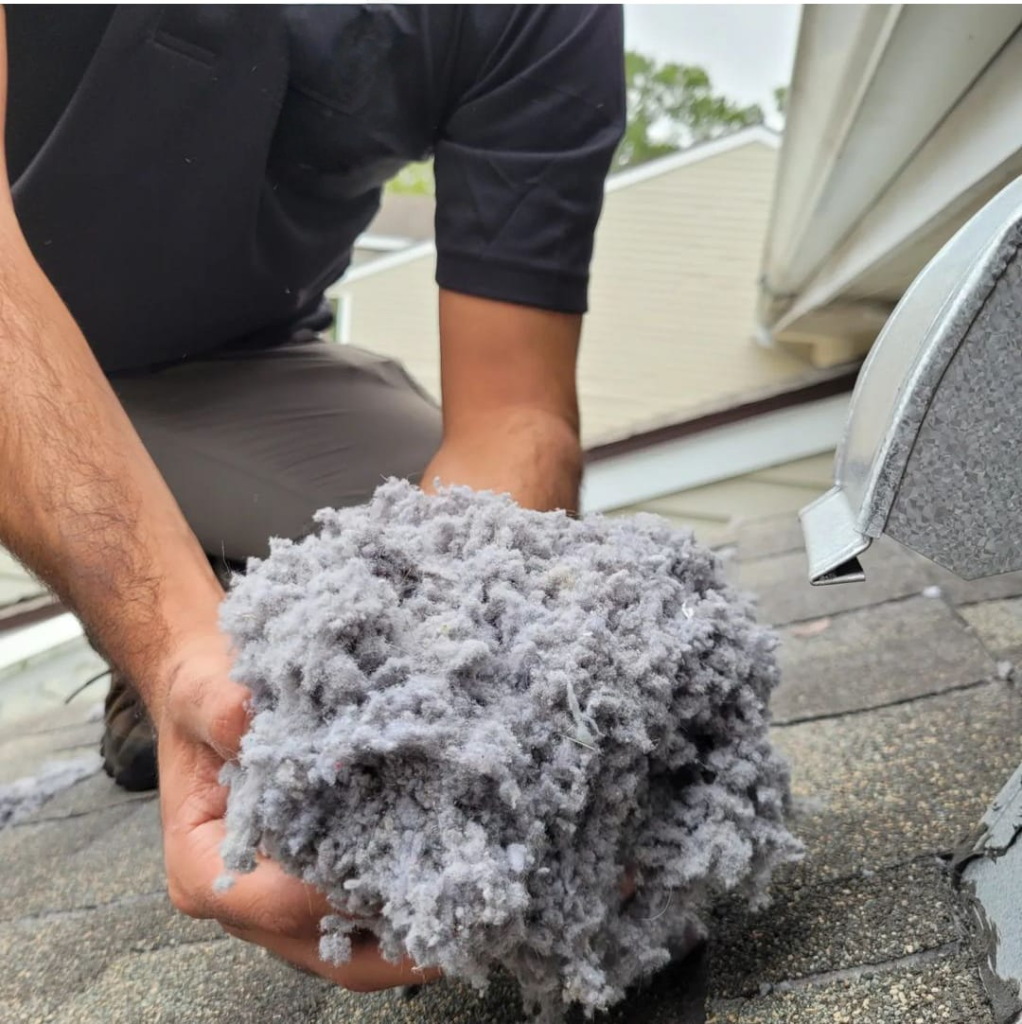
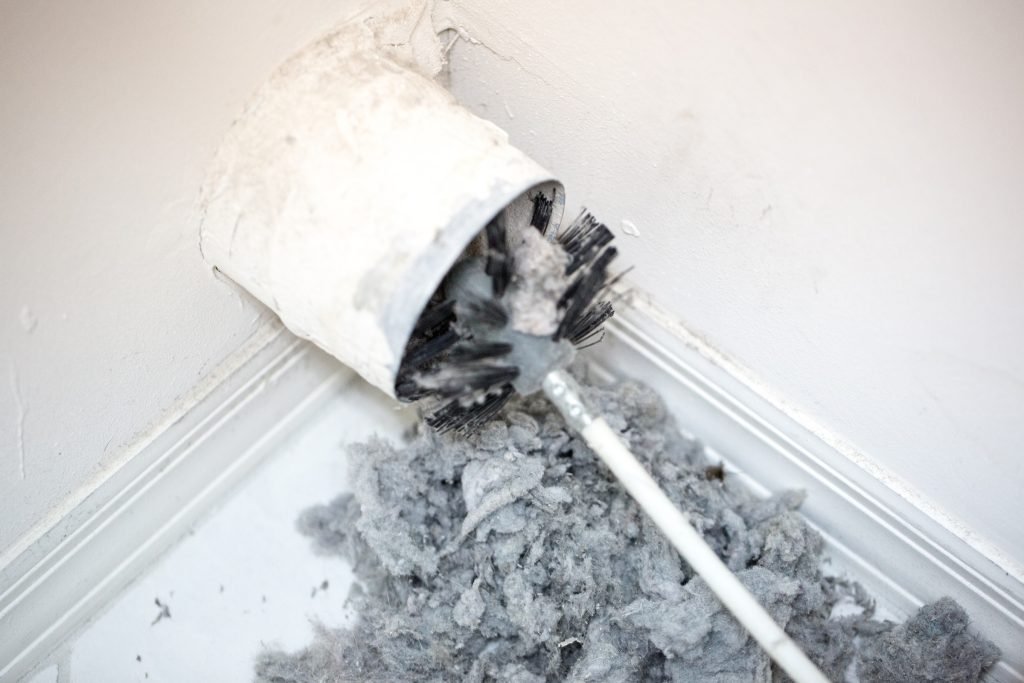
The inspection revealed significant lint accumulation inside the vent system. Air that should have been exhausting outdoors was struggling to move through the restricted pathway. As airflow decreased, excess moisture and heat remained inside the home longer than intended.
After the vent was cleaned, the difference was noticeable. The laundry room felt less humid, airflow improved, and the musty odor disappeared.
Situations like this highlight a connection many people overlook. Dryer vent maintenance is often viewed as an appliance issue, but it can also influence indoor air quality. While a dryer vent is only one component of a home’s ventilation system, its condition can affect airflow, moisture management, and overall comfort throughout the property.
Dryer Vents Are Designed to Move More Than Lint
Most people associate dryer vents with lint removal.
While lint is certainly part of the equation, the primary purpose of a dryer vent is to remove warm, moisture-laden air generated during the drying process.
Every load of laundry contains moisture. During operation, the dryer extracts that moisture and pushes it outdoors through the vent system.
When airflow is unrestricted, this process happens efficiently.
When airflow becomes restricted, moisture and heat may remain inside portions of the home longer than intended. The effects are often subtle at first, but over time they can become more noticeable.
Understanding this role helps explain why Dryer Vent Cleaning is about more than simply improving dryer performance.
Moisture Management Plays a Major Role in Indoor Comfort
Indoor air quality is influenced by many factors.
Ventilation, humidity levels, filtration systems, and airflow patterns all contribute to how comfortable a living environment feels.
Dryers produce a surprising amount of moisture.
Under normal conditions, that moisture exits through the vent system. If airflow becomes restricted, some of the moisture may linger near the laundry area or within portions of the exhaust pathway.
In Tampa, where outdoor humidity levels are already high throughout much of the year, effective moisture removal becomes especially important.
This is one reason Dryer Vent Maintenance Tampa services often provide benefits that extend beyond the laundry room itself.
Tampa’s Climate Makes Ventilation Even More Important
Tampa residents are familiar with humidity.
For much of the year, outdoor air contains significant moisture. Air conditioning systems work continuously to help maintain comfortable indoor conditions.
When dryer vents are functioning properly, they assist by directing moisture outdoors.
When restrictions develop, excess humidity generated during drying cycles may not leave the property as efficiently.
During inspections, homeowners occasionally describe symptoms such as:
- Laundry rooms feel humid
- Lingering musty odors
- Excess warmth near the dryer
- Condensation around laundry areas
While multiple factors can contribute to these conditions, restricted dryer vents are sometimes part of the picture.
Maintaining proper airflow helps support a more balanced indoor environment.
Lint Accumulation Can Affect Airflow Throughout the System
One of the most common misconceptions is that lint buildup only affects drying times.
In reality, lint accumulation changes how air moves through the vent system.
As restrictions develop, the dryer must work harder to push air outdoors. Airflow becomes less efficient, and moisture removal slows down.
A homeowner recently reported that their laundry room always seemed stuffy after several loads of laundry.
Inspection revealed substantial lint buildup inside the vent system. Air was still moving, but not nearly as efficiently as intended.
After cleaning, airflow improved significantly, and the room felt noticeably more comfortable during dryer operation.
The improvement wasn’t caused by a new appliance. It came from restoring proper ventilation.
Poor Ventilation Can Create Secondary Concerns
Indoor air quality involves more than airborne particles.
Temperature and humidity also play important roles.
Areas that retain excess moisture for extended periods can sometimes experience conditions that support unwanted odors and other comfort-related concerns.
This doesn’t mean every clogged vent creates major indoor air quality issues.
However, restricted airflow can contribute to environmental conditions that are less comfortable than they should be.
The goal of routine maintenance is not to solve every indoor air quality concern. It’s to ensure the dryer vent system is doing its part effectively.
A Service Call That Connected Air Quality and Vent Maintenance
A property owner contacted a technician after noticing a persistent damp smell near the laundry area.
Several attempts had been made to identify the source. Cleaning products, air fresheners, and routine housekeeping had little effect.
The dryer vent inspection revealed a heavily restricted exhaust pathway.
As airflow decreased over time, moisture generated during drying cycles was not being removed efficiently. The issue wasn’t severe enough to stop the dryer from functioning, but it was affecting ventilation performance.
Once the vent was cleaned and airflow restored, the odor gradually disappeared.
The practical takeaway was simple. Sometimes the source of an indoor comfort issue isn’t immediately obvious, and ventilation systems deserve consideration during the investigation process.
Rental Properties Can Experience Similar Issues
Property managers frequently focus on appliance performance when addressing laundry-related complaints.
Tenants, however, often notice comfort issues first.
Comments such as:
- “The laundry room feels humid.”
- “The area smells musty.”
- “The room gets too hot.”
can sometimes point toward airflow concerns.
Residential Dryer Vent Cleaning Tampa services often address these issues in single-family homes, while Commercial Dryer Vent Cleaning Tampa projects may involve apartment communities, shared laundry facilities, and multi-unit properties where dryers operate frequently.
In both environments, maintaining efficient airflow helps support overall building comfort.
Professional Inspections Reveal More Than Lint
A professional dryer vent inspection evaluates more than visible debris.
Technicians often assess:
- Airflow performance
- Duct condition
- Vent routing
- Exterior vent operation
- Moisture-related concerns
- Potential installation issues
Many of these factors can influence how effectively the vent system removes heat and moisture.
For homeowners interested in maintaining efficient ventilation, a professional residential dryer vent inspection service can help identify concerns before they begin affecting dryer performance or indoor comfort.
Dryer Vents Are Part of a Larger Ventilation Picture
Indoor air quality depends on multiple systems working together.
HVAC equipment, exhaust fans, filtration systems, and ventilation components all contribute to overall performance.
Kitchen ventilation plays a role as well.
Proper maintenance of professional kitchen range hood exhaust systems helps remove heat, grease, and airborne contaminants generated during cooking.
When ventilation systems receive routine attention, they generally perform more effectively and support a more comfortable indoor environment.
Dryer vents are one piece of that larger picture.
Why Preventive Maintenance Matters
One reason dryer vent issues often go unnoticed is that they develop gradually.
Airflow decreases little by little.
Drying times slowly increase.
Humidity levels rise incrementally.
Many people adapt to these changes without realizing anything is wrong.
Routine inspections help identify problems before they become significant.
According to the U.S. Fire Administration’s dryer safety recommendations, regular cleaning and maintenance are important for reducing risks associated with lint accumulation in dryer exhaust systems.
Maintaining proper airflow supports efficiency, safety, and overall system performance.
Looking at Indoor Air Quality From a Practical Perspective
Indoor air quality discussions often focus on filtration systems, allergens, and HVAC performance.
Those factors certainly matter.
However, everyday systems such as dryer vents also contribute to the overall environment inside a property.
Companies such as Superb Dryer Vent Cleaning help Tampa-area residents identify vent-related airflow concerns that may affect both dryer performance and indoor comfort. Additional information can be found through the company’s local service information and its customer contact page.
Final Thoughts
The connection between indoor air quality and dryer vent maintenance is often overlooked. While dryer vents are primarily designed to remove heat, moisture, and lint, their performance can influence airflow and comfort throughout the home. Understanding this relationship helps explain why Dryer Vent Cleaning Tampa, FL is about more than maintaining an appliance. It is also about supporting efficient ventilation and a healthier indoor environment.
If your laundry area feels unusually humid or airflow seems weaker than normal, a professional vent inspection may help identify the cause.
FAQ Section
Can a clogged dryer vent affect indoor air quality?
Yes. Restricted airflow can contribute to excess heat and moisture remaining inside the home longer than intended.
How does a dryer vent impact humidity levels?
Dryers remove moisture from clothing and vent it outdoors. Poor airflow can reduce the efficiency of that process.
Can a clogged vent cause musty odors?
In some situations, restricted airflow and excess moisture may contribute to unpleasant odors around laundry areas.
Why is dryer vent maintenance important in Tampa?
Tampa’s humid climate makes effective moisture removal especially important for maintaining indoor comfort.
How often should dryer vents be inspected?
Most residential systems benefit from annual inspections, although usage levels and vent design can influence maintenance needs.
Does cleaning the lint screen prevent all vent issues?
No. Fine lint particles continue through the vent system during every drying cycle and can accumulate over time.
Can poor dryer ventilation make a room feel hotter?
Yes. Restricted airflow may allow excess heat to remain near the dryer rather than being exhausted outdoors.
Is indoor air quality only affected by HVAC systems?
No. Ventilation systems such as dryer vents and kitchen exhaust systems also contribute to indoor comfort and airflow.
What does a professional dryer vent inspection include?
Inspections typically evaluate airflow, vent condition, lint buildup, duct routing, and overall system performance.
Can regular dryer vent cleaning improve airflow?
Yes. Removing lint accumulation helps restore airflow and allows the vent system to operate more efficiently.