

A Tampa property manager recently noticed a pattern developing across several rental units. Tenants were submitting maintenance requests for dryers that seemed to be taking longer and longer to dry clothing. In a few cases, residents assumed the appliances were failing. One tenant reported needing three drying cycles to finish a normal load of laundry.
At first, the situation appeared to involve multiple appliance problems.
After a closer inspection, the actual issue turned out to be much simpler. Several dryer vent systems contained significant lint buildup that was restricting airflow. Once the vents were cleaned, drying times improved, tenant complaints decreased, and the dryers returned to normal operation.
Stories like this are becoming increasingly common.
Property managers are responsible for balancing tenant satisfaction, maintenance budgets, equipment performance, and long-term property care. While dryer vents may not receive the same attention as HVAC systems, plumbing, or roofing, they can have a surprisingly large impact on day-to-day operations.
Regular vent maintenance often helps prevent small problems from becoming recurring service calls.
Many Dryer Problems Start Outside the Appliance
When tenants report dryer issues, the appliance itself often receives immediate attention.
This makes sense. The dryer is the visible piece of equipment, and performance concerns are usually blamed on the machine.
However, many service calls reveal a different story.
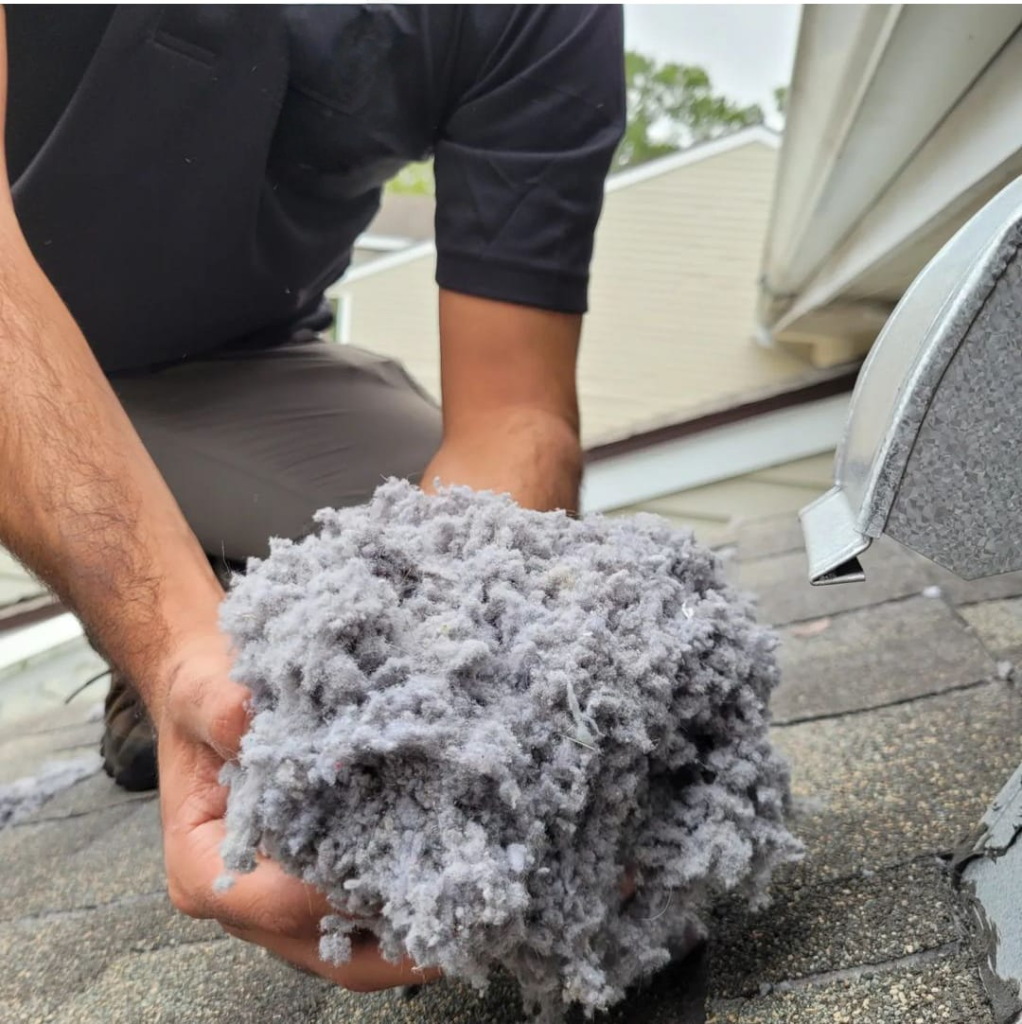
The dryer may be functioning properly while airflow restrictions inside the vent system are creating performance issues. As lint accumulates, warm, moist air cannot escape efficiently. Drying times increase, energy consumption rises, and tenants begin noticing the effects.
In many cases, replacing parts or servicing the appliance does little to solve the underlying issue because the restriction exists within the vent system.
Understanding this distinction can help property managers make more informed maintenance decisions.
Rental Properties Often Experience Higher Usage Levels
Dryer vent maintenance becomes especially important in rental properties because usage patterns can vary significantly.
A single-family rental occupied by one person may place relatively little demand on the laundry system. A family of five living in the same property could generate substantially more laundry each week.
Multi-family properties present an even greater challenge.
Apartment communities, condominiums, student housing facilities, and other rental properties may contain dozens or even hundreds of dryers operating regularly.
More usage means more lint.
More lint means a greater need for routine maintenance.
Without periodic inspections, vent systems can accumulate buildup for years before obvious warning signs appear.
Tampa’s Climate Creates Additional Maintenance Considerations
Property managers in Tampa face environmental conditions that differ from those in many other parts of the country.
Humidity remains a year-round factor.
Dryers are designed to remove moisture from clothing and move that moisture outdoors. When airflow becomes restricted, excess moisture may remain inside portions of the vent system longer than intended.
Lint exposed to moisture often becomes denser and more compact over time.
Summer storms can also affect exterior vent terminations. Debris accumulation around vent openings occasionally contributes to airflow restrictions that reduce system efficiency.
These local conditions help explain why Dryer Vent Maintenance Tampa services are frequently included in preventive maintenance programs throughout the region.
Preventive Maintenance Helps Reduce Tenant Complaints
Most tenants are not concerned about airflow measurements or vent system performance.
They care about whether their laundry dries properly.
When clothes remain damp after a normal cycle, frustration often follows.
Many maintenance requests begin with comments such as:
- “The dryer isn’t working.”
- “The dryer takes forever.”
- “My clothes are still damp.”
- “The laundry room gets too hot.”
While appliance failures certainly occur, restricted airflow is often a contributing factor.
Property managers who schedule regular vent inspections frequently discover problems before tenants begin reporting them.
Reducing avoidable complaints helps improve the resident experience while decreasing maintenance workload.

A Service Call That Revealed a Larger Pattern
A management company overseeing several rental properties contacted a technician after receiving repeated dryer-related complaints.
Initially, each maintenance request was treated as an isolated issue.
Once multiple units began experiencing similar symptoms, a broader inspection was performed.
The evaluation revealed substantial lint accumulation within several vent systems throughout the property. In some cases, airflow had been gradually decreasing for years.
The interesting part was that many dryers still appeared functional.
The appliances were operating, but they were working harder and longer to compensate for restricted airflow.
After cleaning the vent systems, maintenance requests related to dryer performance dropped significantly.
The experience reinforced a lesson many property managers eventually learn: recurring dryer complaints often point to ventilation issues rather than appliance failure.
Turnovers Create Ideal Opportunities for Vent Inspections
One of the best times to evaluate dryer vent systems is during tenant turnover.
Most properties already undergo cleaning, painting, appliance checks, and routine repairs between occupants.
Adding vent inspections to this process requires relatively little additional effort.
Vacant units provide easier access for technicians and allow maintenance concerns to be addressed before new tenants move in.
Issues frequently discovered during turnover inspections include:
- Excessive lint accumulation
- Crushed vent ducts
- Disconnected duct sections
- Damaged vent covers
- Airflow restrictions
- Improper installations
Addressing these concerns proactively often reduces future service calls.
Single-Family Rentals and Multi-Family Properties Face Different Challenges
Residential Dryer Vent Cleaning Tampa projects often focus on individual homes where vent systems serve a single appliance.
Multi-family properties introduce additional complexity.
Longer vent runs, shared infrastructure, and higher usage levels create more opportunities for airflow restrictions to develop.
Commercial Dryer Vent Cleaning Tampa projects may involve apartment communities, assisted living facilities, student housing, hotels, and mixed-use developments where dryers operate frequently.
Although the scale differs, the goal remains the same.
Maintaining consistent airflow helps support dryer performance while reducing avoidable maintenance concerns.
Energy Efficiency Benefits Property Owners and Tenants
Restricted airflow affects more than drying times.
When dryers cannot remove moisture efficiently, they typically run longer cycles.
Longer cycles consume more energy.
For tenants responsible for utility bills, this means higher monthly expenses.
For property owners operating common laundry facilities, inefficient dryers can increase operational costs significantly over time.
An apartment community recently noticed higher-than-expected utility expenses in its shared laundry facility. Inspection revealed restricted airflow caused by years of accumulated lint.
After cleaning the vent systems, drying efficiency improved, and energy consumption decreased.
Proper airflow supports both performance and efficiency.
Regular Inspections Help Identify Hidden Problems
Vent cleaning provides an opportunity to identify issues that may otherwise remain hidden.
Technicians frequently discover:
- Damaged ductwork
- Improper vent routing
- Crushed sections
- Exterior vent failures
- Air leakage
- Moisture-related concerns
These problems often develop gradually and may go unnoticed until performance begins declining.
Property managers who include vent inspections as part of their preventive maintenance strategy gain valuable information about the condition of their building systems.
For many properties, periodic evaluations through a professional residential dryer vent inspection service provide insight that supports better long-term maintenance planning.
Ventilation Maintenance Should Be Viewed Holistically
Dryer vents are only one part of a property’s overall ventilation system.
Many buildings also contain kitchen exhaust systems that require periodic attention.
Proper maintenance of commercial and residential kitchen range hood systems helps support effective airflow and cleaner indoor environments.
Looking at ventilation systems collectively often produces better results than addressing individual components only when problems occur.
According to the U.S. Fire Administration’s dryer safety recommendations, routine maintenance and lint removal help reduce risks associated with dryer exhaust systems.
Preventive care benefits both building operations and long-term equipment performance.
Building a Smarter Maintenance Strategy
Successful property management often involves anticipating problems before they affect residents.
Dryer vent maintenance fits naturally into this philosophy.
By addressing airflow issues proactively, property managers can often reduce service calls, improve dryer performance, support energy efficiency, and enhance tenant satisfaction.
Companies such as Superb Dryer Vent Cleaning work with Tampa-area property managers to evaluate vent systems and identify maintenance needs before major issues develop. Additional information about available services can be found through the company’s local service information and their contact page.
Final Thoughts
Many dryer-related maintenance requests stem from airflow restrictions rather than appliance failures. For Tampa property managers, regular vent inspections and routine Dryer Vent Cleaning Tampa, FL services can help reduce recurring complaints, improve operational efficiency, and support a better tenant experience. Small preventive maintenance efforts today often prevent larger maintenance challenges tomorrow.
If dryer-related service requests have started increasing, evaluating the vent systems may be a practical next step.
FAQ Section
Why should property managers schedule regular dryer vent cleaning?
Regular maintenance helps reduce airflow restrictions, improve dryer performance, and decrease avoidable maintenance requests.
How often should rental property dryer vents be inspected?
Inspection schedules depend on usage levels, but annual evaluations are commonly recommended.
Can clogged dryer vents increase tenant complaints?
Yes. Longer drying times and poor dryer performance are common reasons tenants submit maintenance requests.
Does Tampa’s climate affect dryer vent systems?
Yes. Humidity and seasonal weather conditions can contribute to moisture retention and lint accumulation.
Are dryer vent issues often mistaken for appliance problems?
Frequently. Many dryers function properly but perform poorly because airflow is restricted within the vent system.
What are common signs of a restricted dryer vent?
Long drying times, damp clothing, excess heat, rising energy costs, and weak exterior airflow are common indicators.
Can regular vent cleaning help reduce energy consumption?
Yes. Efficient airflow allows dryers to complete cycles more quickly and use less energy.
Should dryer vents be inspected during tenant turnover?
Yes. Turnovers provide an excellent opportunity to identify and address maintenance concerns before new tenants move in.
Is commercial dryer vent maintenance different from residential maintenance?
Commercial systems often experience heavier usage and may require more frequent inspections and cleaning.
What does a professional dryer vent inspection include?
Inspections typically evaluate airflow, vent condition, lint accumulation, duct routing, and overall system performance.