

A property manager in Tampa recently reached out after receiving multiple maintenance requests from tenants in the same apartment building. Several residents reported that their dryers were taking much longer than normal to dry clothes. One tenant mentioned needing two or three cycles for a standard load of laundry. Another complained that the laundry room felt unusually hot whenever the dryer was running.
At first, the issue seemed like a collection of unrelated appliance problems. After inspecting the building’s dryer vent systems, the actual cause became clear. Years of lint accumulation had restricted airflow throughout several vent lines, affecting performance across multiple units.
The dryers themselves weren’t failing.
The vent systems simply needed attention.
Situations like this are becoming more common throughout Tampa. As rental properties continue to grow across the region, dryer vent maintenance has become an increasingly important part of property management. Whether it’s a single-family rental home, a duplex, a condominium, or a large apartment community, neglected vent systems can create issues that affect tenants, property managers, and owners alike.
Rental Properties Often Experience More Dryer Usage
One factor that separates rental properties from owner-occupied residences is usage patterns.
In many rental units, dryers operate far more frequently than people realize. Families move in and out, household sizes change, and laundry habits vary from tenant to tenant.
A vent system that performed adequately for one resident may experience significantly greater demands when occupied by a larger household.
Over time, increased usage means more lint moving through the vent system.
Unlike visible maintenance issues such as leaking faucets or damaged flooring, dryer vent buildup often remains hidden. The problem develops gradually behind walls, above ceilings, or within ductwork, where it can go unnoticed for long periods.
This is why routine Dryer Vent Cleaning has become an important preventive maintenance item for many rental property owners.
Tampa’s Climate Can Accelerate Vent Problems
Local conditions play a role as well.
Tampa’s humid climate creates an environment where moisture is present throughout much of the year. Dryers constantly remove moisture from clothing and push it through the vent system.
When airflow becomes restricted, moisture can remain inside portions of the vent line longer than intended.
Lint and moisture together often create denser accumulations than lint alone.
During inspections, vent systems exposed to years of humidity frequently show buildup that is more compact than what is typically found in drier regions.
This doesn’t mean every rental property will experience severe issues. It does mean that Dryer Vent Maintenance Tampa services can provide additional value in a climate where moisture management remains an ongoing concern.
Tenant Satisfaction Often Starts with Everyday Convenience
Property managers frequently focus on major building systems such as roofing, plumbing, HVAC equipment, and structural maintenance.
Dryer vents rarely receive the same level of attention.
Yet tenants interact with laundry appliances every week.
When drying times suddenly increase, frustration often follows. Residents may assume the appliance is defective or that maintenance concerns are being overlooked.
In reality, the issue may be nothing more than restricted airflow inside the vent system.
Addressing these concerns proactively can help reduce complaints while improving the overall tenant experience.
Small maintenance investments often prevent larger operational headaches later.
Longer Drying Times Increase Operating Costs
One of the first signs of a restricted vent is extended drying cycles.
When airflow decreases, moisture remains trapped inside the dryer longer. Clothes require additional cycles before they dry completely.
For tenants responsible for utility bills, this means higher energy costs.
For property owners covering utilities in common laundry facilities, the financial impact can be even more noticeable.
An apartment complex recently experienced unusually high utility expenses in a shared laundry area. The appliances appeared to be functioning normally, but dryer cycles were taking longer than expected.
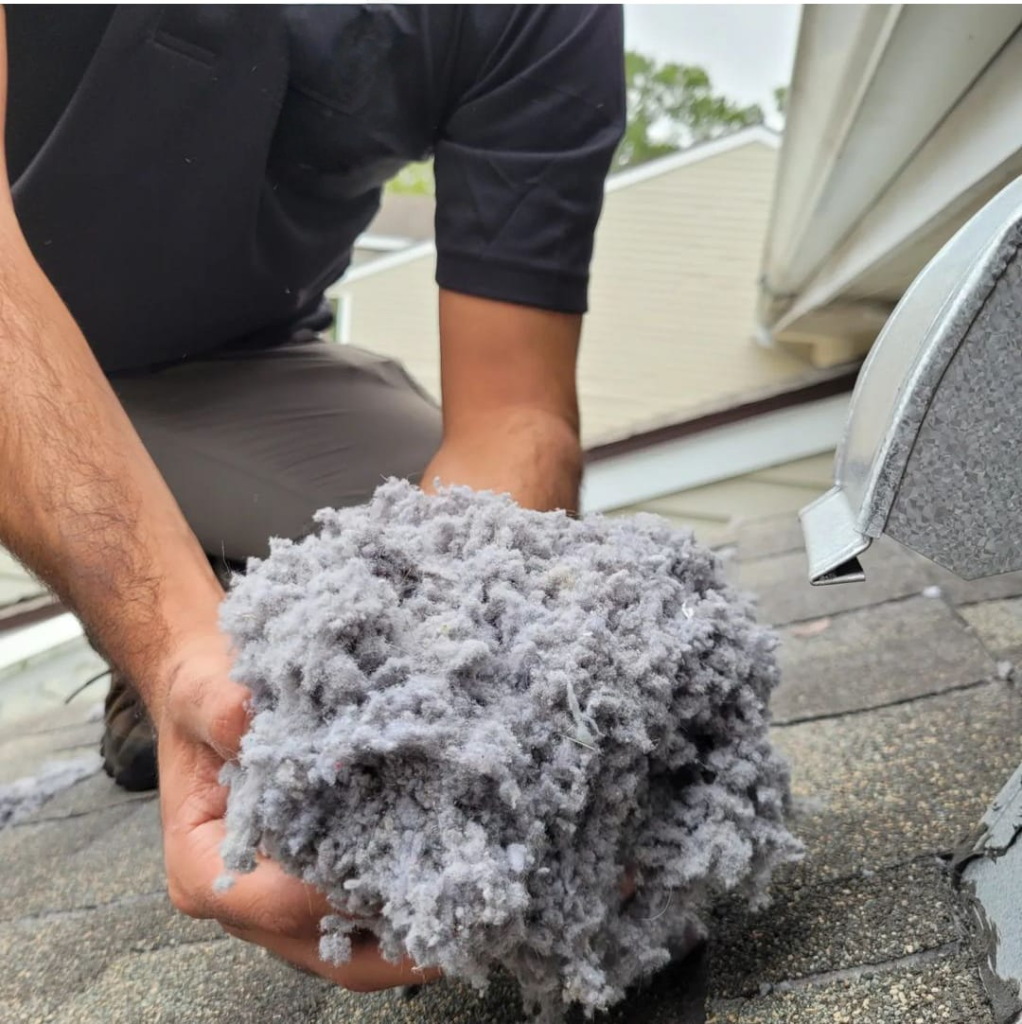
Inspection revealed significant lint accumulation throughout portions of the exhaust system.
Once the vents were cleaned, drying times improved, and utility usage returned to more typical levels.
The takeaway was straightforward. Proper airflow directly influences efficiency.
A Service Call That Revealed a Hidden Maintenance Issue
A Tampa property owner contacted a technician after replacing two dryers within a relatively short period.
The owner assumed aging equipment was responsible for repeated performance issues.
After evaluating the property, the inspection uncovered a different problem. The shared vent system serving multiple units contained years of accumulated lint and debris.
The restricted airflow had forced the dryers to work harder during every cycle.
Replacing the appliances addressed the symptoms temporarily, but the underlying issue remained.
Once the vent system was cleaned and airflow restored, performance improved dramatically.
The experience highlighted an important lesson. Vent maintenance is often just as important as appliance maintenance.
Rental Property Turnovers Create Opportunities for Inspection
Tenant turnover provides an excellent opportunity to evaluate dryer vent systems.
Many property owners already schedule cleaning, painting, appliance inspections, and other maintenance tasks between occupants.
Adding vent inspections to this process can help identify problems before new residents move in.
Issues such as damaged ducts, disconnected sections, crushed vent lines, and excessive lint accumulation are often discovered during these evaluations.
Addressing concerns during vacancy periods is typically easier than responding to complaints after tenants have already moved in.
For many property owners, preventive maintenance simply makes operational sense.
Single-Family Rentals Face Different Challenges
Not all rental properties are large apartment complexes.
Single-family rental homes often experience unique vent-related issues.
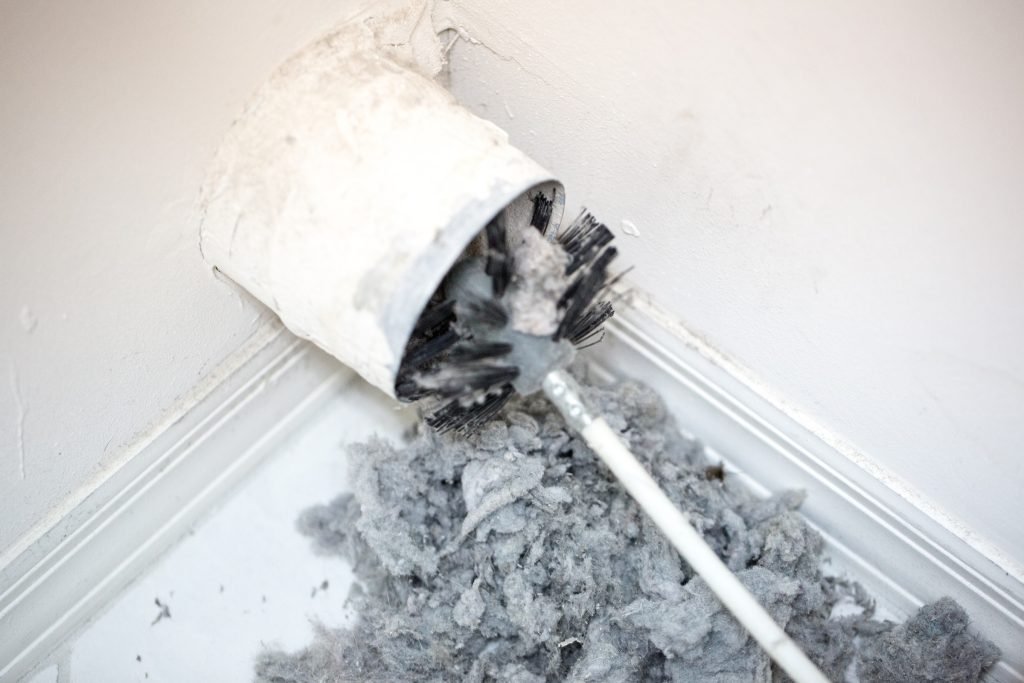
Some houses feature longer vent runs that travel through attics before reaching an exterior wall. Others may contain older vent materials that collect lint more easily than modern ductwork.
Because these systems are hidden from view, problems frequently remain unnoticed until drying performance begins to decline.
Property owners who manage single-family rentals often benefit from scheduling periodic inspections through a professional residential vent evaluation service.
These inspections help identify developing concerns before they affect future tenants.
Commercial and Multi-Unit Properties Require Additional Attention
Commercial Dryer Vent Cleaning Tampa projects often involve more complex systems.
Apartment communities, assisted living facilities, student housing developments, and mixed-use properties frequently contain extensive vent networks serving multiple units.
The volume of laundry processed in these environments can be substantial.
More usage means more lint.
More lint means a greater need for regular maintenance.
Property managers responsible for larger facilities often view vent cleaning as part of a broader preventive maintenance strategy designed to improve efficiency and reduce avoidable service calls.
The goal is not simply cleaning. It’s maintaining consistent performance across the property.
Why Preventive Maintenance Is Becoming More Common
Over the past several years, many property owners have shifted toward preventive maintenance programs.
Rather than waiting for tenants to report problems, managers are increasingly addressing potential concerns before they affect residents.
Dryer vents fit naturally into this approach.
Routine inspections help identify:
- Lint accumulation
- Damaged ductwork
- Poor airflow
- Improper installations
- Exterior vent issues
- Moisture-related concerns
These evaluations provide valuable information that can support long-term property maintenance planning.
According to the U.S. Fire Administration’s dryer safety guidance, routine cleaning and maintenance help reduce risks associated with lint buildup inside dryer exhaust systems.
Preventive maintenance benefits both property owners and tenants.
Ventilation Systems Deserve a Broader Perspective
Dryer vents are not the only ventilation systems that require periodic attention.
Many rental properties also contain kitchen exhaust systems that accumulate grease and debris over time.
Maintaining commercial and residential range hood exhaust systems can support overall airflow performance and contribute to a cleaner indoor environment.
Looking at ventilation systems as part of a comprehensive maintenance strategy often produces better long-term results than addressing individual issues only after problems develop.
Planning Ahead for Long-Term Property Performance
As Tampa continues to grow, rental properties will remain an important part of the local housing market.
Property owners who prioritize routine maintenance often place themselves in a stronger position to manage operational costs, improve tenant satisfaction, and protect building systems.
Companies such as Superb Dryer Vent Cleaning work with property owners throughout the area to help evaluate vent performance and identify maintenance needs. Additional information about local services is available through the company’s service area information and its contact page.
Final Thoughts
Dryer vent systems are easy to overlook because most of their components remain hidden from view. Yet for rental properties, proper airflow can influence appliance performance, energy efficiency, maintenance costs, and tenant satisfaction. As Tampa’s rental market continues to expand, the importance of Dryer Vent Cleaning Tampa, FL is likely to become even more apparent for property owners and managers focused on long-term property care.
If drying times have increased or maintenance concerns keep returning, a professional vent evaluation may help uncover the cause.
FAQ Section
Why are dryer vents important in rental properties?
Dryer vents help remove heat, moisture, and lint from the dryer. When airflow becomes restricted, performance and efficiency can suffer.
How often should rental property dryer vents be cleaned?
The ideal schedule depends on usage levels, property size, and vent configuration, but annual inspections are often recommended.
Can clogged vents increase tenant complaints?
Yes. Longer drying times, excess heat, and poor dryer performance frequently lead to maintenance requests from tenants.
Does Tampa’s climate affect dryer vent performance?
Yes. High humidity can contribute to moisture retention and denser lint accumulation inside vent systems.
Are apartment building dryer vents different from residential vents?
Many apartment properties feature longer and more complex vent systems that may require more frequent inspections.
Can restricted vents increase energy costs?
Yes. Dryers often run longer cycles when airflow is limited, increasing energy consumption.
What are common warning signs of a vent problem?
Long drying times, excessive heat, weak exterior airflow, and increased utility costs are common indicators.
Is professional vent cleaning necessary if the lint screen is cleaned regularly?
Yes. The lint screen captures only part of the lint generated during drying. Additional buildup continues to accumulate inside the vent system.
What should property managers check during tenant turnover?
Dryer vent inspections, duct condition, airflow performance, and exterior vent operation are all worth evaluating.
Can preventive maintenance reduce future repair costs?
Routine inspections often identify developing issues before they become larger and more expensive maintenance concerns.