


A Tampa homeowner recently purchased a new high-efficiency dryer after assuming their old appliance was the reason clothes were taking too long to dry. The replacement featured advanced moisture sensors, energy-saving settings, and smart technology designed to improve performance. For a few weeks, everything seemed normal. Then the same problem returned. Loads that should have dried in one cycle began requiring two or three.
The dryer wasn’t the issue.
An inspection of the vent system revealed years of lint accumulation hidden beyond the lint screen. The new dryer was more efficient than the previous model, but it still depended on the same restricted vent line to remove heat and moisture.
This situation is surprisingly common. Many people assume that purchasing a modern high-efficiency dryer eliminates the need for routine vent maintenance. In reality, today’s dryers may be smarter and more energy efficient, but they still rely on proper airflow to perform their job effectively.
Understanding why professional vent cleaning remains important can help protect your investment and keep your dryer operating as intended.
High-Efficiency Dryers Still Depend on Airflow
Modern dryers include impressive technology.
Many models feature moisture sensors that monitor clothing during the drying cycle. Others automatically adjust drying times to improve efficiency and reduce energy use. Some even provide maintenance reminders through smartphone apps.
Despite these advancements, one thing has not changed.
Every dryer must move warm, moist air out of the appliance and through the vent system.
When airflow becomes restricted, the dryer’s ability to remove moisture decreases. Sensors may detect that clothes are still damp and extend cycle times. The appliance continues working harder, even though the root problem exists outside the dryer itself.
No matter how advanced the technology becomes, proper ventilation remains a critical part of dryer performance.
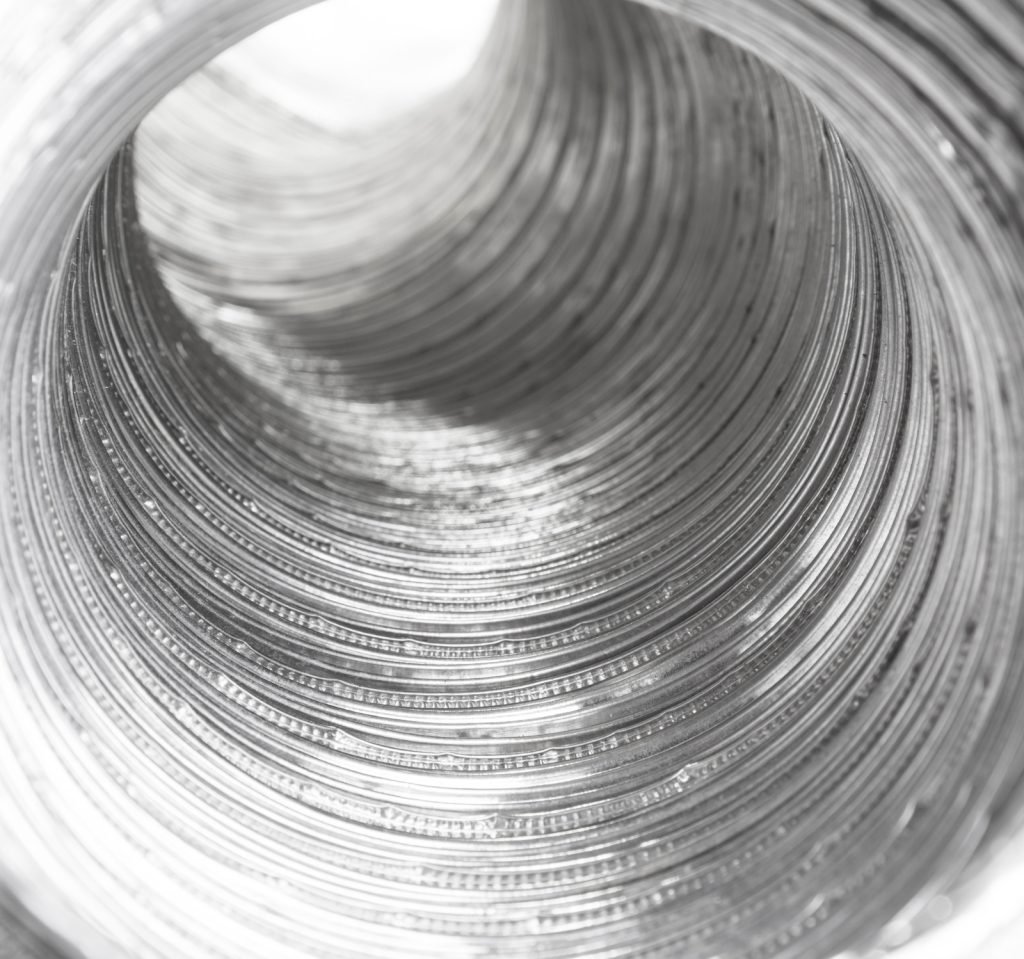
Lint Still Travels Beyond the Lint Screen
One of the biggest misconceptions surrounding newer dryers involves the lint screen.
Many people believe that cleaning the lint trap removes all lint generated during the drying process.
It doesn’t.
The lint screen captures a significant portion of fibers, but fine particles continue through the exhaust system during every drying cycle. Over time, those particles settle inside the vent line.
This process occurs regardless of the dryer’s age or efficiency rating.
During inspections, substantial buildup is often found in homes where the lint screen is cleaned religiously after every load. The homeowner did everything right, but lint still accumulated inside the vent system because that’s simply how dryers operate.
This is one reason routine Dryer Vent Cleaning remains necessary even with the latest appliance technology.
Tampa’s Climate Adds Another Layer of Challenge
Living in Tampa introduces environmental conditions that can affect dryer vent performance throughout the year.
High humidity levels mean dryers are frequently working to remove moisture in already moisture-rich conditions. When airflow becomes restricted, that moisture may linger longer inside portions of the vent system.
Lint combined with moisture can become denser and more compact than dry lint alone.
This doesn’t mean Tampa dryers are destined for problems. It simply means that maintaining efficient airflow becomes particularly important in the region’s climate.
For many households, periodic Dryer Vent Maintenance Tampa services help address these conditions before they begin affecting dryer performance.
Longer Vent Runs Can Reduce Efficiency
Not all vent systems are created equal.
Some dryers connect directly to an exterior wall through a short vent pathway. Others require air to travel through attics, walls, or extended ductwork before reaching the outside.
The longer the route becomes, the harder the dryer must work to move air efficiently.
Each bend and elbow adds resistance. Over time, these areas often become collection points for lint accumulation.
One homeowner purchased a premium high-efficiency dryer expecting lower energy bills. After several months, utility costs remained surprisingly high.
An inspection revealed a lengthy vent run with multiple sharp turns. The appliance itself was operating properly, but restricted airflow prevented it from achieving the efficiency improvements the homeowner expected.
Once the vent system was cleaned, drying times improved, and energy consumption decreased noticeably.
New Technology Cannot Compensate for Severe Restrictions
Dryer manufacturers have developed impressive systems for monitoring performance.
Sensors can detect moisture levels, overheating conditions, and operational abnormalities. Some models even display maintenance alerts.
However, no dryer can overcome a severely restricted vent system indefinitely.
When airflow drops below acceptable levels, the appliance must work harder to complete each cycle. Sensors may compensate temporarily by extending drying times, but efficiency eventually suffers.
Many service calls begin with concerns about appliance failure when the actual issue is hidden inside the vent line.
The technology can identify symptoms, but it cannot remove the lint causing the problem.
A Service Call That Showed the Limits of Efficiency
A property owner contacted a technician shortly after upgrading to a high-efficiency dryer.
The new appliance was advertised as energy-efficient and capable of drying clothes more effectively than older models. Within months, drying times began increasing again.
The inspection revealed significant lint accumulation inside a vent line that had not been cleaned in several years.
The homeowner was surprised because the previous dryer had never displayed obvious warning signs.
The difference was that the new dryer relied heavily on moisture sensors. As airflow decreased, the sensors kept extending cycle times in an effort to achieve proper drying results.
Once the vent was professionally cleaned, the appliance immediately returned to normal performance.
The lesson was simple: even the most advanced dryer still depends on a clean exhaust pathway.
Residential and Commercial Dryers Face Similar Vent Challenges
Residential Dryer Vent Cleaning Tampa projects often involve family laundry routines where dryers operate several times each week.
Commercial Dryer Vent Cleaning Tampa projects involve much higher usage levels.
Hotels, apartment communities, laundromats, salons, and assisted living facilities may run dryers continuously throughout the day. Even high-efficiency commercial units generate lint and require adequate airflow.
The volume of lint may differ, but the principle remains the same.
Regardless of the appliance’s efficiency rating, airflow restrictions reduce performance and increase maintenance concerns.
Common Signs a High-Efficiency Dryer Needs Vent Cleaning
Many people expect warning lights or error codes before problems appear.
In reality, vent-related issues often develop gradually.
Watch for signs such as:
- Longer drying times
- Clothes remaining damp after one cycle
- Excess heat around the dryer
- Increased energy consumption
- A musty odor in the laundry area
- Weak airflow from the exterior vent
- The dryer shuts off unexpectedly
These symptoms frequently indicate airflow issues rather than appliance failure.
Addressing the vent system early can often prevent unnecessary repair costs.
Professional Cleaning Provides More Than Lint Removal
A thorough vent cleaning involves much more than removing visible lint.
Professional inspections evaluate vent routing, duct condition, airflow performance, exterior terminations, and installation quality.
Hidden problems are often discovered during these evaluations.
Crushed ducts, disconnected sections, damaged vent covers, and improper installations can all affect dryer performance.
For homeowners interested in maintaining efficient airflow, a professional evaluation through a residential dryer vent service and inspection program can identify concerns that may otherwise go unnoticed.
Why Maintenance Protects Your Investment
High-efficiency dryers often represent a significant investment.
Protecting that investment involves more than cleaning the lint screen.
When airflow remains unrestricted, the dryer can operate as designed. Drying cycles remain consistent, energy consumption stays lower, and internal components experience less strain.
According to the U.S. Fire Administration’s dryer safety guidance, routine maintenance and lint removal play an important role in reducing risks associated with dryer exhaust systems.
Maintaining the vent system helps support both efficiency and long-term appliance performance.
Properties with commercial kitchens or extensive ventilation systems may also benefit from maintaining related exhaust components. Proper care of professional kitchen range hood ventilation systems supports effective airflow management throughout the property.
When It’s Time to Schedule Professional Service
There is no universal schedule that applies to every property.
Household size, laundry habits, vent length, and climate conditions all influence how quickly lint accumulates.
The key is paying attention to performance changes.
If drying times begin increasing or airflow appears weaker than normal, an inspection may be worthwhile.
Local companies such as Superb Dryer Vent Cleaning understand the challenges affecting vent systems throughout the Tampa area. Additional information about available services can be found through the company’s local service area information or by contacting the team through their customer support page.
Final Thoughts
Modern dryers are more efficient and technologically advanced than ever before, but they still depend on one basic requirement: proper airflow. Lint accumulation, vent restrictions, and environmental conditions can affect performance regardless of how advanced the appliance may be. Understanding this reality helps explain why Dryer Vent Cleaning Tampa, FL remains an important part of maintaining both efficiency and reliability.
If your newer dryer is taking longer to dry clothes than it once did, the vent system may deserve a closer look.
FAQ Section
Do high-efficiency dryers still produce lint?
Yes. While newer dryers may operate more efficiently, they still generate lint during every drying cycle.
Why does my new dryer take longer to dry clothes?
Restricted airflow caused by lint accumulation inside the vent system is one of the most common reasons.
Does cleaning the lint screen eliminate the need for vent cleaning?
No. The lint screen captures only a portion of the fibers generated during drying.
How often should a dryer vent be professionally cleaned?
Most residential systems benefit from annual inspections, though usage levels may require more frequent service.
Can a clogged vent affect a smart dryer?
Yes. Even advanced dryers with sensors depend on proper airflow to function efficiently.
Do moisture sensors prevent vent problems?
No. Sensors can detect drying issues, but they cannot remove lint or correct airflow restrictions.
Are longer vent systems harder on high-efficiency dryers?
Generally, yes. Longer vent runs create additional resistance and increase the likelihood of lint accumulation.
Can poor airflow increase energy consumption?
Yes. Restricted airflow often forces dryers to run longer cycles, increasing energy usage.
Is commercial dryer vent cleaning different from residential cleaning?
Commercial systems typically experience heavier usage and may require more frequent maintenance and inspections.
What does a professional dryer vent inspection include?
A professional inspection typically evaluates airflow, vent condition, lint accumulation, duct routing, and overall system performance.