


A Tampa homeowner recently called because their dryer was taking much longer than usual to finish a load. The appliance was only a few years old, and there were no obvious signs of mechanical failure. The lint screen was cleaned regularly, and the family had never experienced a dryer issue before. After inspecting the vent system, the cause became clear. Moisture combined with lint inside portions of the vent line had created a dense buildup that restricted airflow far more than expected.
What stood out was that a similar home owned by a relative in a drier part of the country wasn’t experiencing the same issue despite having an almost identical dryer setup.
That situation highlights something many people don’t realize. Tampa’s climate can have a significant impact on dryer vent performance throughout the year. While lint accumulation is a concern everywhere, the region’s humidity, frequent rainfall, and extended warm seasons create conditions that can influence how vent systems operate and how quickly problems develop.
Understanding these local factors can help property owners recognize issues sooner and make better decisions about maintenance.
Moisture Changes the Way Lint Behaves
Dryer vents are designed to move warm, moist air from the appliance to the outside.
When conditions are relatively dry, lint particles tend to move through the system more efficiently. Tampa’s climate introduces a different challenge. High humidity levels often mean that moisture remains present in the air for much of the year.
Lint and moisture are not an ideal combination.
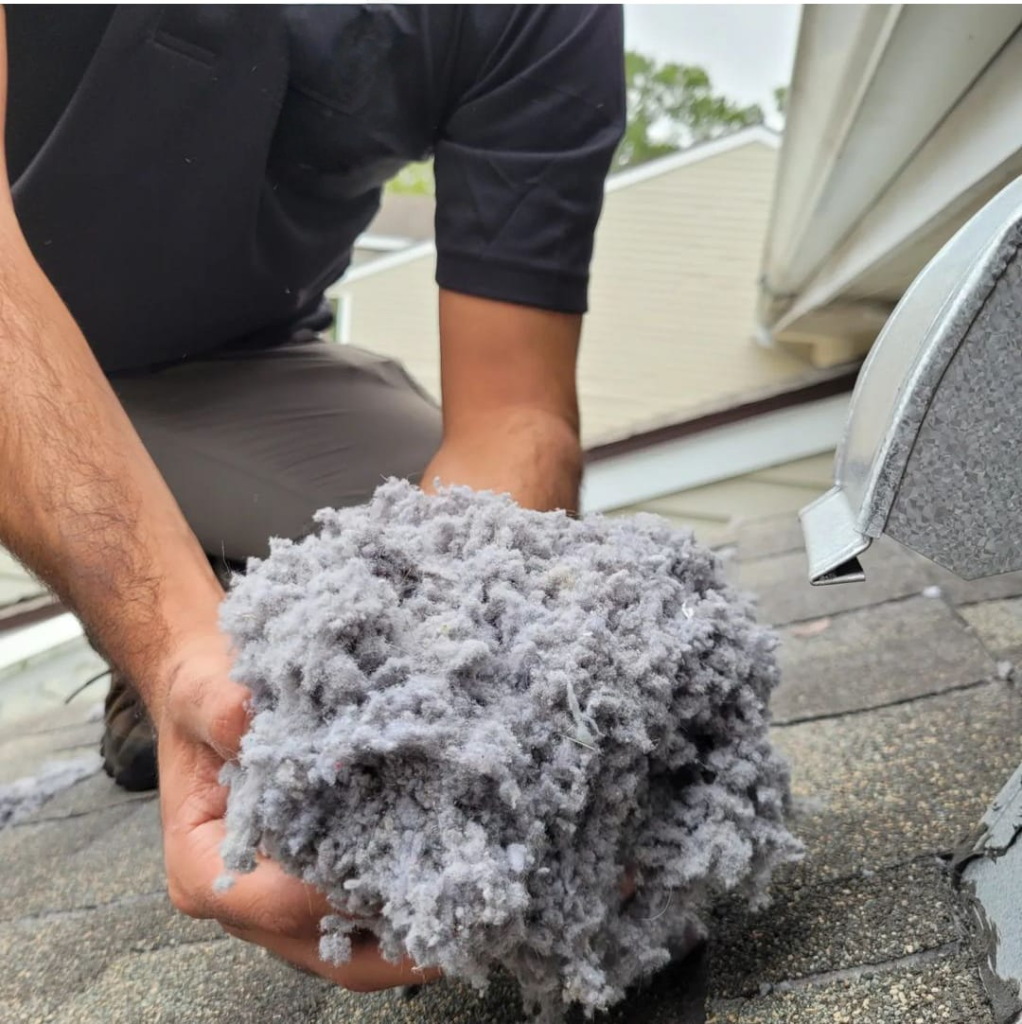
During inspections, buildup found inside vent systems often feels heavier and more compact when moisture is involved. Instead of remaining light and fluffy, lint can begin to stick together, creating deposits that are more difficult for airflow to push through.
This doesn’t happen overnight. It develops gradually as thousands of drying cycles move warm air and fibers through the vent line.
The result is a system that may accumulate restrictions faster than similar systems operating in drier climates.
Why Dryer Performance Can Change During Different Seasons
Although Tampa enjoys warm weather year-round, humidity levels and rainfall patterns still fluctuate throughout the year.
Summer often brings extended periods of heat, humidity, and afternoon storms. During these months, vent systems work under conditions that can make moisture management more challenging.
Some homeowners notice their dryers taking longer to complete loads during particularly humid stretches. While several factors can contribute to this, restricted airflow combined with elevated moisture levels is frequently part of the equation.
The dryer’s job is simple: remove moisture from clothing and send it outdoors. When airflow becomes limited, that moisture remains trapped longer, increasing drying times.
This is one reason Dryer Vent Maintenance Tampa services become especially valuable for local properties.
The Length of the Vent Matters Even More in Humid Conditions
Every dryer vent system contains some degree of resistance.
The longer the vent runs, the harder the dryer must work to move air outdoors. Add multiple bends or turns to the pathway, and airflow becomes even more restricted.
In Tampa’s humid environment, these longer vent systems often experience greater challenges than short, direct installations.
A short vent line allows moisture and lint to exit quickly. A lengthy route creates more opportunities for lint particles to settle and accumulate.
Homes with second-floor laundry rooms sometimes experience this issue because vent systems may need to travel greater distances before reaching an exterior wall.
Property owners concerned about airflow efficiency can benefit from understanding how their system is configured. Professional evaluations, such as those provided through a thorough residential dryer vent inspection service, often uncover hidden restrictions before they become major problems.
Rainfall and Storm Activity Can Influence Vent Performance
Tampa receives substantial rainfall throughout the year, particularly during the summer months.
Heavy rain doesn’t automatically create dryer vent problems, but weather conditions can affect exterior vent components.
After storms, inspections occasionally reveal debris around vent terminations. Leaves, small branches, and other materials can interfere with airflow if they accumulate near the vent opening.
Exterior vent covers may also experience wear over time due to constant exposure to heat, moisture, and changing weather conditions.
One of the simplest maintenance steps involves periodically checking the outside vent opening to ensure it remains unobstructed and operates properly when the dryer is running.
Small issues discovered early are usually much easier to address than major restrictions that develop over time.
A Service Call That Showed the Impact of Humidity
Several months ago, a homeowner reported a persistent musty smell in the laundry area whenever the dryer was operating.
The appliance itself appeared to be functioning normally. The lint screen was clean, and no obvious mechanical issues were found.
A closer inspection of the vent system revealed significant lint accumulation in a section of ductwork where airflow had gradually decreased. Because moisture was not escaping efficiently, lint deposits had become noticeably denser than what is typically found in drier environments.
Once the vent was cleaned and airflow restored, the odor disappeared, and drying performance improved immediately.
The takeaway was simple. Humidity alone wasn’t the problem. Humidity combined with restricted airflow created conditions that allowed issues to develop more quickly.
Tampa Homes Often Face Different Challenges Than Other Regions
Local construction styles can influence dryer vent performance.
Many properties throughout the Tampa area feature layouts that require vent systems to travel through attics, walls, or longer pathways before reaching an exterior exit point.
These designs are not necessarily problematic, but they can increase the importance of routine inspections.
The longer air remains inside the vent system, the more opportunities exist for lint accumulation and moisture retention.
Coastal influences can also affect exterior components. Over time, exposure to salt air may contribute to wear on certain vent materials, particularly older systems that have not been updated or maintained.
These local conditions help explain why Dryer Vent Cleaning Tampa, FL schedules may differ from recommendations in other parts of the country.
Residential and Commercial Properties Experience Humidity Differently
Residential Dryer Vent Cleaning Tampa projects often involve family laundry habits, where usage varies depending on household size and routines.
Commercial Dryer Vent Cleaning Tampa environments typically involve much heavier workloads.
Hotels, apartment communities, assisted living facilities, laundromats, and other businesses may operate dryers continuously throughout the day.
The combination of high usage and Tampa’s humid climate can accelerate lint accumulation, making regular maintenance particularly important.
Commercial properties also tend to have longer and more complex vent systems, increasing the need for routine airflow evaluations.
Regardless of the setting, proper ventilation remains essential for maintaining efficient dryer performance.
Signs Humidity May Be Contributing to Vent Problems
Most dryer vent issues develop gradually rather than suddenly.
Watch for signs such as:
- Longer drying times
- Clothes remaining damp after one cycle
- Excess heat around the dryer
- Increased humidity in the laundry room
- Musty odors during operation
- Rising energy costs
- Weak airflow at the exterior vent
These symptoms do not automatically indicate a severe blockage, but they often suggest the vent system deserves attention.
Addressing airflow issues early can prevent larger maintenance concerns later.
Why Regular Maintenance Matters in Tampa
One misconception is that cleaning the lint screen provides all the maintenance a dryer system needs.
The lint screen plays an important role, but it captures only a portion of the fibers generated during each drying cycle.
Fine particles continue moving through the vent system every time the dryer operates.
Over time, those particles accumulate.
According to recommendations from the U.S. Fire Administration’s dryer safety guidance, regular maintenance and cleaning help reduce the risks associated with lint buildup inside dryer exhaust systems.
Routine Dryer Vent Cleaning not only improves airflow but also helps identify damaged ductwork, installation issues, and other conditions that may affect performance.
Properties that also rely on commercial kitchen ventilation systems can benefit from maintaining those systems as well. Proper care of professional kitchen range hood exhaust systems supports efficient ventilation throughout the building.
What Homeowners Can Do to Improve Performance
While humidity cannot be controlled outdoors, several simple practices can help support dryer vent performance.
Clean the lint screen before every load.
Avoid overloading the dryer.
Pay attention to changes in drying times.
Inspect exterior vent covers periodically.
Schedule inspections when warning signs appear rather than waiting for a complete blockage.
These habits help maintain efficient airflow and reduce unnecessary strain on the dryer.
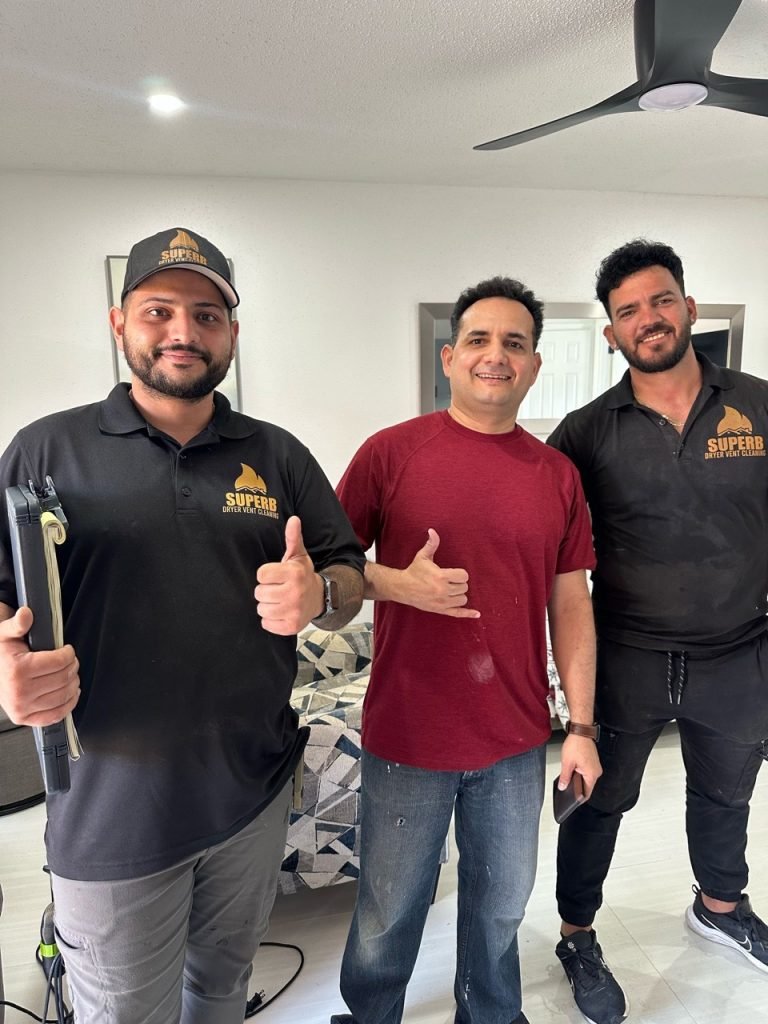
For local residents, companies such as Superb Dryer Vent Cleaning understand the challenges Tampa’s climate creates and can provide guidance tailored to local conditions. Additional information about service coverage is available through the company’s local service area information and its customer contact page.
Final Thoughts
Tampa’s humid climate affects dryer vent systems in ways that many people don’t initially recognize. Moisture, rainfall, extended warm seasons, and local construction patterns can all influence how quickly lint accumulates and how efficiently a dryer operates. Understanding these factors helps explain why Dryer Vent Cleaning Tampa, FL is often an important part of maintaining consistent dryer performance throughout the year.
If drying times have started increasing or airflow seems weaker than usual, having the vent system evaluated can help uncover the cause before it develops into a larger problem.
FAQ Section
Does Tampa’s humidity really affect dryer vents?
Yes. High humidity can contribute to heavier lint accumulation and make airflow restrictions develop more quickly.
Why does my dryer take longer to dry clothes during humid weather?
Elevated moisture levels combined with restricted airflow can make it more difficult for the dryer to remove moisture efficiently.
How often should dryer vents be cleaned in Tampa?
Most residential systems benefit from annual inspections, although heavily used systems may require more frequent maintenance.
Can moisture build up inside a dryer vent?
Yes. Restricted airflow can allow moisture to remain inside portions of the vent system longer than intended.
Are longer dryer vents more affected by humidity?
Generally, yes. Longer vent systems create more opportunities for lint accumulation and moisture retention.
What are the warning signs of poor dryer vent airflow?
Longer drying times, excess heat, musty odors, weak airflow, and rising energy costs are common indicators.
Does heavy rainfall affect dryer vent systems?
Rain itself may not cause problems, but storms can contribute to debris accumulation around exterior vent openings.
Is commercial dryer vent maintenance different from residential maintenance?
Commercial systems typically experience heavier usage and may require more frequent inspections and cleaning.
Can humidity increase energy costs related to drying clothes?
Yes. When airflow becomes restricted, dryers often run longer cycles, increasing energy consumption.
What is the best way to maintain dryer vent performance in Tampa?
Routine inspections, regular cleaning, and prompt attention to airflow changes are among the most effective maintenance practices.