


Most homeowners expect their dryer to last for many years, but few realize how much the condition of the dryer vent system affects the lifespan of the appliance. While routine cleaning of the lint trap is common, the deeper vent system is often ignored. Over time, lint, moisture, and debris accumulate inside the vent, creating restrictions that force the dryer to work harder than it was designed to. This added strain not only reduces efficiency but also accelerates wear and tear on critical components.
In Tampa, where humidity levels are high and dryers are used more frequently, the impact of a clogged vent system becomes even more significant. Moisture combined with lint buildup creates dense blockages that restrict airflow and trap heat inside the system. This environment causes internal parts to overheat, leading to faster deterioration and increased risk of breakdowns.
Homeowners who stay informed through professional dryer vent care insights and appliance maintenance resources often understand that regular vent cleaning is one of the most effective ways to protect their investment. By maintaining proper airflow and preventing buildup, you not only improve performance but also extend the life of your dryer significantly.
How Airflow Directly Impacts Appliance Longevity
Proper airflow is essential for the efficient operation of any dryer. When air flows freely through the system, heat and moisture are expelled quickly, allowing the appliance to complete cycles without excessive strain. However, when airflow becomes restricted due to lint buildup, the entire system is forced to work harder to achieve the same results.
This increased workload places stress on key components such as the motor, heating element, and internal sensors. Over time, these parts begin to wear down faster than expected. What could have been a long-lasting appliance may start showing signs of failure much earlier simply because it is operating under constant pressure.
In Tampa homes, where dryers are used frequently due to climate conditions, airflow issues can develop quickly. Homeowners who take time to understand system performance through professional dryer vent expertise and airflow management knowledge often realize how critical proper ventilation is.
Maintaining clear airflow ensures that your dryer operates within safe limits, reducing stress on components and allowing the appliance to function efficiently for many years.
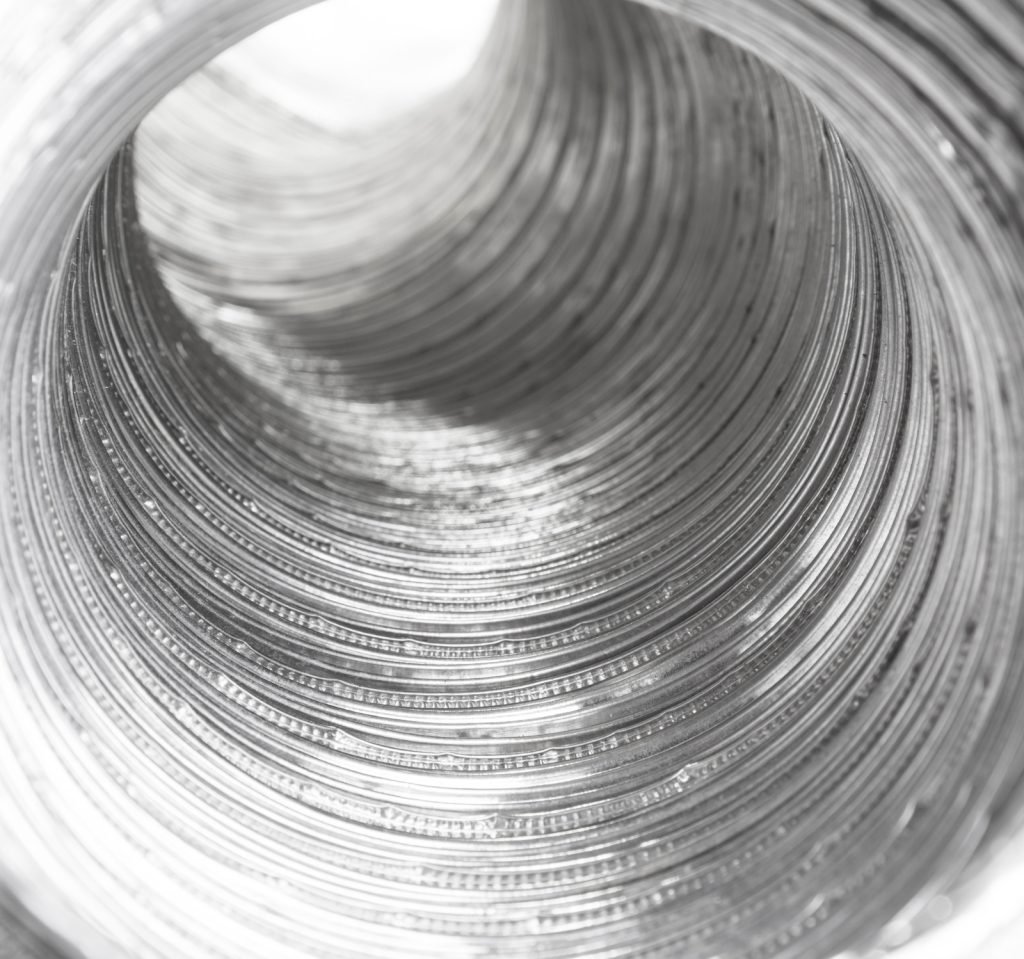
Signs Your Dryer Is Working Too Hard
When a dryer vent becomes clogged, the appliance begins to show signs that it is working harder than it should. These warning signs are often overlooked or mistaken for normal wear, but they are clear indicators that maintenance is needed.
Common signs include:
- Longer drying cycles than usual
- Excessive heat during operation
- Clothes coming out damp after one cycle
- Increased energy consumption
- Unusual noises or performance changes
These symptoms indicate that the dryer is struggling to maintain proper airflow. As a result, it must run longer cycles and generate more heat to compensate. This not only reduces efficiency but also places continuous strain on internal components.
Homeowners who respond early and schedule service through a professional dryer vent inspection and performance evaluation often prevent further damage. Recognizing these signs early allows you to address the issue before it leads to major repairs or appliance failure.
Heat Buildup and Its Effect on Internal Components
Heat buildup is one of the most damaging effects of a clogged dryer vent. When airflow is restricted, hot air becomes trapped inside the system instead of being expelled outside. This causes temperatures to rise beyond normal operating levels, putting stress on internal components.
The heating element, which is designed to operate within a specific temperature range, can become overheated and wear out more quickly. The motor, responsible for circulating air and rotating the drum, must also work harder under these conditions. Over time, this increased strain leads to reduced efficiency and potential failure.
In addition, sensors that regulate temperature and moisture levels may begin to malfunction due to prolonged exposure to excessive heat. Homeowners who stay informed through dryer efficiency and heat management insights often understand how quickly this damage can occur.
By maintaining proper airflow through regular vent cleaning, you prevent heat buildup and protect the internal components that keep your dryer running smoothly.
How Regular Cleaning Reduces Wear and Tear
Routine dryer vent cleaning is one of the simplest ways to reduce wear and tear on your appliance. By removing lint and debris, you allow the system to operate as intended without unnecessary strain.
Key benefits include:
- Reduced stress on the motor and heating element
- Shorter drying cycles
- Consistent airflow throughout the system
- Lower operating temperatures
- Improved overall performance
When the vent system is clean, the dryer does not need to overcompensate for restricted airflow. This means components can function within their designed limits, reducing the likelihood of breakdowns.
Homeowners who invest in professional vent cleaning solutions for long-term appliance performance often notice immediate improvements. Regular maintenance helps ensure that your dryer operates efficiently and experiences less wear over time.
Preventing Costly Repairs and Breakdowns
Ignoring dryer vent maintenance can lead to costly repairs that could have been avoided. When components are forced to work harder due to airflow restrictions, they wear out faster and are more likely to fail.
Common repair issues include damaged heating elements, worn-out motors, and faulty sensors. These problems not only require expensive repairs but also result in downtime and inconvenience.
Homeowners who take a proactive approach and schedule regular maintenance through professional dryer vent inspection and preventive service support often avoid these issues entirely. By addressing vent buildup early, you reduce the risk of unexpected breakdowns and extend the life of your appliance.
Energy Efficiency and Long-Term Savings
A clean dryer vent system improves energy efficiency, which directly contributes to long-term savings. When airflow is unrestricted, the dryer can complete cycles faster, using less energy.
Benefits include:
- Lower utility bills
- Reduced drying times
- Less strain on the appliance
- Improved system performance
- Increased appliance lifespan
When vents are clogged, the dryer must run longer cycles, consuming more energy and increasing operating costs. Over time, these extra expenses can add up significantly.
Homeowners who focus on efficiency and explore high-efficiency cleaning solutions for improved dryer performance often see noticeable savings. Maintaining a clean vent system ensures that your dryer operates efficiently while reducing energy waste.
The Impact of Moisture on Appliance Health
Moisture buildup is another factor that can affect the lifespan of your dryer. When vents are clogged, moisture cannot escape properly and begins to accumulate inside the system. This creates an environment that can lead to corrosion and damage to internal components.
Over time, moisture can weaken metal parts, affect electrical connections, and contribute to mold growth. These issues not only reduce the efficiency of the appliance but also shorten its lifespan.
Homeowners who understand the importance of moisture control through dryer vent maintenance insights and humidity management strategies often take steps to prevent these problems. Keeping the vent system clean ensures that moisture is properly expelled, protecting the internal components of your dryer.
Creating a Maintenance Routine for Longevity
Establishing a consistent maintenance routine is the most effective way to extend the life of your dryer. Regular care ensures that airflow remains unrestricted and prevents buildup from reaching problematic levels.
Important steps include:
- Cleaning the lint trap after every use
- Inspecting the vent system regularly
- Scheduling annual professional cleaning
- Monitoring dryer performance
- Addressing issues immediately
Homeowners who follow a structured plan through ongoing maintenance scheduling and professional service support often enjoy longer appliance lifespans. Consistency is key. By maintaining your dryer vent system, you protect your appliance and ensure reliable performance for years to come.
Conclusion
Your dryer is a valuable appliance that plays an essential role in your daily routine, and protecting its lifespan should be a priority. While many homeowners focus on basic maintenance like cleaning the lint trap, the condition of the dryer vent system is just as important, if not more so. A clogged vent forces the appliance to work harder, leading to overheating, increased wear, and a higher likelihood of breakdowns over time.
By maintaining proper airflow through regular cleaning, you allow your dryer to operate efficiently and within safe temperature ranges. This reduces strain on internal components and helps prevent costly repairs. Homeowners who stay proactive often rely on ongoing dryer vent care insights and maintenance guidance to stay informed, improve efficiency through professional cleaning solutions designed for long-term performance, and protect their appliances by scheduling service through a convenient inspection and maintenance consultation. Taking these steps not only extends the life of your dryer but also improves safety, reduces energy costs, and ensures a more reliable home environment for years to come.
FAQs
1. Does dryer vent cleaning extend appliance life
Yes, it reduces strain and prevents overheating.
2. How often should vents be cleaned
At least once a year.
3. Can clogged vents damage a dryer
Yes, they cause overheating and wear.
4. Does cleaning improve efficiency
Yes, it restores airflow.
5. Can it reduce repair costs
Yes, it prevents major issues.
6. Does it lower energy bills
Yes, shorter cycles use less energy.
7. Can moisture damage dryers
Yes, it causes corrosion and mold.
8. Is professional cleaning needed
Yes, for deep cleaning.
9. Does airflow affect performance
Yes, it is critical for operation.
10. Is maintenance worth it
Yes, it extends lifespan and improves safety.