


Most homeowners rarely think about what is happening inside their dryer vent system. It is hidden behind walls and ceilings, quietly working every time you run a load of laundry. However, this unseen system plays a critical role in both your home’s safety and your dryer’s performance. Over time, lint, heat, and moisture accumulate inside the vent, creating a series of problems that develop gradually but can quickly become serious if left unaddressed.
In a place like Tampa, where humidity is consistently high and dryers are used more frequently, these issues tend to accelerate. Moisture combines with lint, forming dense buildup that restricts airflow and traps heat inside the system. What starts as a minor efficiency issue can evolve into a dangerous situation involving overheating, mold growth, or even fire hazards. Because these problems occur out of sight, many homeowners only become aware of them once performance noticeably declines.
Those who stay informed through professional dryer vent care insights and safety-focused maintenance resources often recognize that prevention is far easier and more cost-effective than dealing with major repairs or hazards later. Understanding what happens inside a dirty dryer vent allows you to take proactive steps to maintain airflow, protect your appliance, and ensure a safer living environment. This breakdown will walk you through each stage so you can clearly see how the problem develops and why timely maintenance matters.
The Early Stage of Lint Accumulation
In the beginning, a dirty dryer vent does not seem like a problem at all. After each drying cycle, small fibers break away from clothing and travel through the system. While the lint trap captures a portion of these particles, a surprising amount continues into the vent system. At first, this buildup is light and spreads thinly along the interior walls of the duct, making it nearly impossible to detect without inspection. At this early stage, the system still functions relatively well. Air continues to move through the vent, and drying times may not change significantly. However, what is happening behind the scenes is the start of a gradual restriction. As more lint accumulates, the inner diameter of the vent becomes slightly narrower. This subtle change begins to slow airflow, even if the difference is not immediately noticeable.
Homeowners who take time to understand their system through professional dryer vent system insights and airflow performance expertise often realize that this stage is critical. Addressing buildup early prevents the progression into more serious blockages. If left unattended, the lint continues to collect, layer by layer, creating the foundation for more severe airflow problems. Early maintenance at this stage is simple, cost-effective, and highly effective in preventing future issues that could impact both efficiency and safety.
Airflow Restriction Begins to Develop
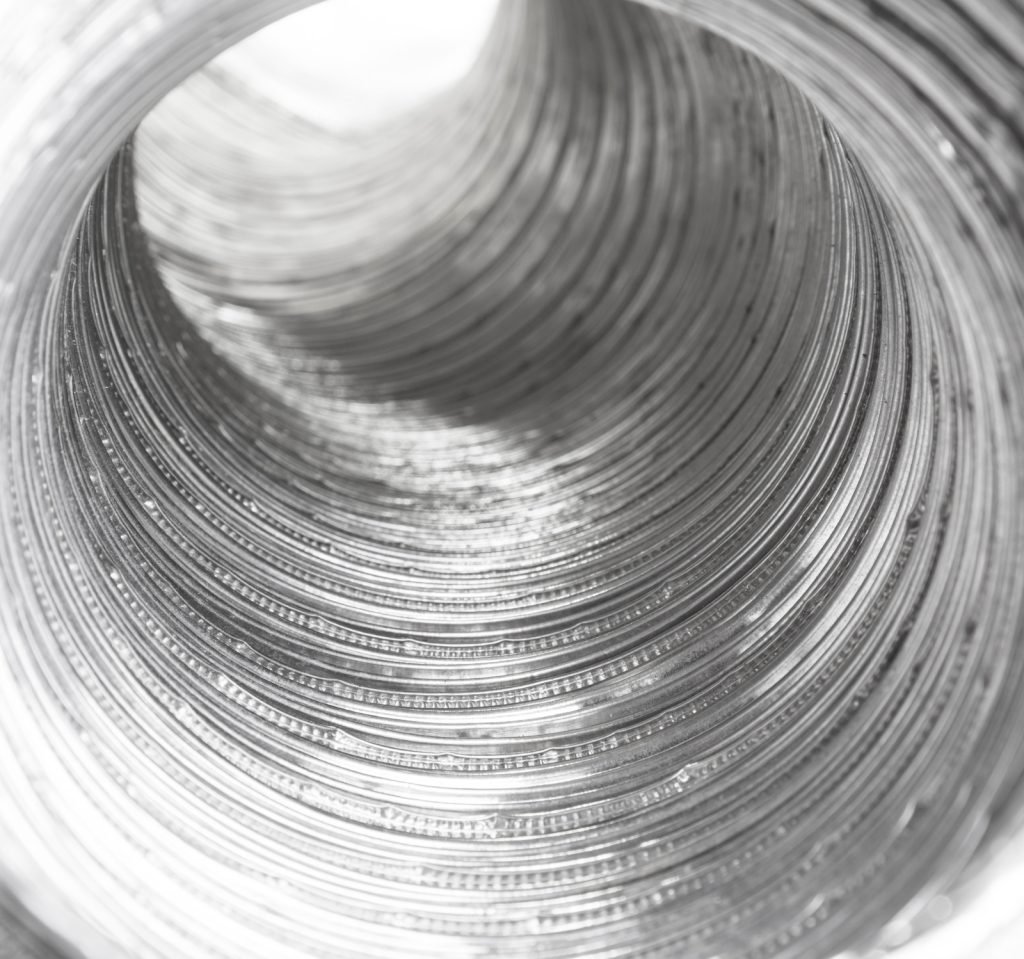
As lint continues to accumulate, airflow restriction becomes more noticeable. The vent system, which is designed to move air efficiently, starts to struggle as the buildup thickens and narrows the pathway.
At this stage, homeowners may begin to notice:
- Clothes are taking slightly longer to dry
- Increased warmth in the laundry area
- The dryer is running for extended periods
- Reduced airflow at the exterior vent
- Mild humidity buildup indoors
These signs indicate that the vent system is no longer functioning at full capacity. The dryer must work harder to push air through the obstruction, which increases energy usage and places additional strain on the appliance.
Homeowners who take action early and explore professional inspection and airflow evaluation services often prevent the issue from progressing further. Ignoring airflow restriction at this stage allows the problem to worsen, eventually leading to more severe blockages and safety risks.
Heat and Moisture Become Trapped
Once airflow becomes significantly restricted, heat and moisture begin to accumulate inside the dryer and vent system. This is where efficiency drops sharply, and safety concerns start to increase.
The dryer relies on a continuous flow of air to remove moisture from clothing. When this airflow is blocked, the moisture remains trapped inside the drum, forcing the dryer to run longer cycles. At the same time, heat builds up inside the system, creating conditions that can damage internal components.
This trapped heat can cause the dryer to overheat, which not only reduces performance but also increases the risk of fire hazards. Moisture buildup can also lead to condensation within the vent, further contributing to blockage and potential mold growth.
Homeowners who stay informed through dryer vent efficiency and moisture control insights often understand how quickly these conditions can develop. Maintaining proper airflow is essential for preventing heat and moisture from becoming trapped inside the system.
Advanced Blockage and System Strain
At this stage, the dryer vent becomes heavily clogged, and the system is under significant strain. The buildup of lint and debris creates a dense blockage that severely restricts airflow.
Common effects include:
- Extremely long drying times
- Overheating of the dryer
- Strong musty or burning odors
- Noticeable lint around the vent opening
- Increased energy consumption
The dryer is forced to work much harder than designed, which accelerates wear on internal components. This can lead to mechanical failure and costly repairs.
Homeowners who rely on professional deep-cleaning solutions for heavily clogged vent systems often restore performance quickly. At this stage, immediate cleaning is necessary to prevent further damage and safety risks.
Fire Risk Becomes a Serious Threat
When a dryer vent reaches a heavily clogged state, the risk of fire becomes significantly higher. Lint is highly flammable, and when combined with excessive heat, it creates a dangerous environment.
The buildup acts as fuel, and the trapped heat provides the ignition source. This combination can lead to fires that spread quickly through the vent system and into surrounding areas of the home.
Many homeowners underestimate this risk because the vent system is hidden. However, those who understand the dangers through dryer vent safety knowledge and hazard prevention expertise often prioritize regular maintenance.
Preventing this stage is critical for protecting your home and family. Regular cleaning removes the fuel source and ensures that heat is properly expelled.
Moisture Damage and Mold Development
In addition to fire risks, a dirty dryer vent can also lead to moisture-related problems. When moisture cannot escape, it begins to accumulate inside the vent and surrounding areas.
This can result in:
- Mold and mildew growth
- Musty odors throughout the home
- Increased indoor humidity
- Damage to walls and ceilings
- Poor indoor air quality
Mold spores can spread through the air, affecting both comfort and health. In humid climates like Tampa, this issue can develop quickly if vents are not properly maintained.
Homeowners who take preventive steps through moisture control strategies and dryer vent care insights often avoid these problems. Keeping the vent system clean ensures that moisture is removed efficiently, reducing the risk of mold and damage.
Energy Waste and Appliance Damage
A dirty dryer vent significantly increases energy consumption and accelerates wear on the appliance. When airflow is restricted, the dryer must run longer cycles to achieve the same results, using more electricity or gas in the process.
This inefficiency leads to higher utility bills and places continuous strain on internal components. Over time, parts such as the heating element and motor may wear out faster, leading to costly repairs or replacement.
Homeowners who focus on efficiency and explore high-performance vent cleaning solutions for improved system efficiency often see immediate improvements. Maintaining a clean vent system reduces energy waste, improves performance, and extends the lifespan of your dryer.
Restoring the System Through Professional Cleaning
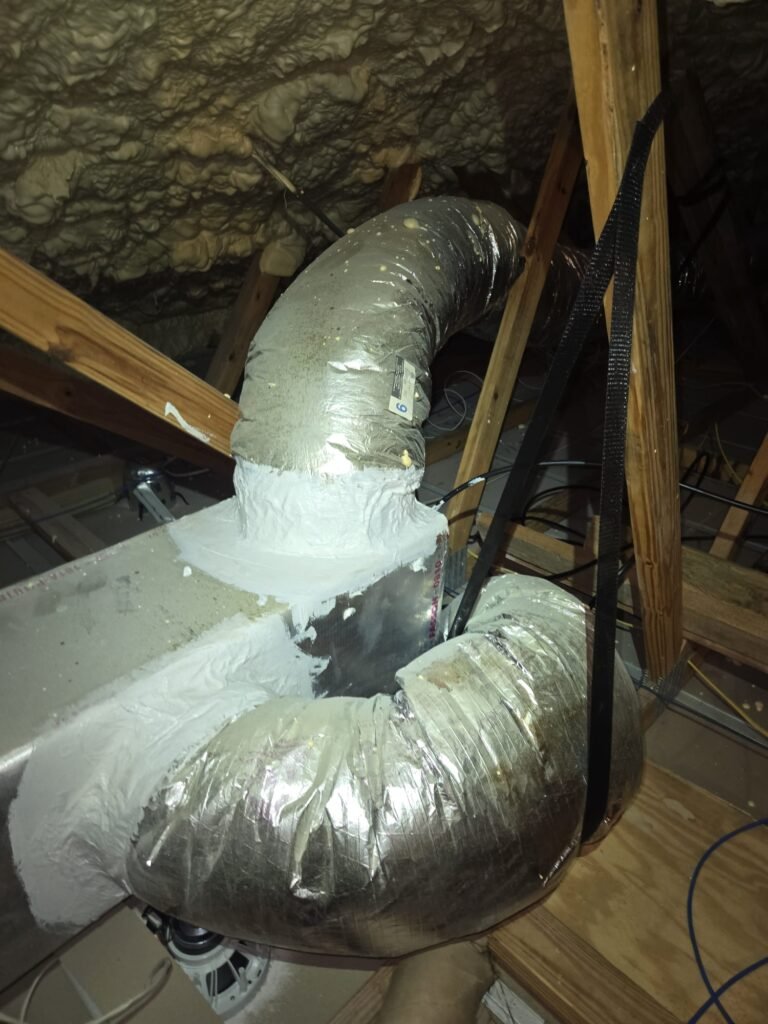
The only way to fully resolve the issues caused by a dirty dryer vent is through thorough cleaning. Professional cleaning removes lint buildup, restores airflow, and ensures that the system operates safely.
Important benefits include:
- Complete removal of blockages
- Improved airflow and performance
- Reduced fire risk
- Lower energy consumption
- Extended appliance lifespan
Professionals use specialized tools to clean the entire system, including areas that are not accessible with standard equipment.
Homeowners who schedule service through a professional dryer vent cleaning and inspection consultation often see immediate improvements in both safety and efficiency. Regular cleaning is the key to preventing buildup and maintaining a safe, efficient system.
Conclusion
A dirty dryer vent is more than just an inconvenience; it is a hidden issue that develops over time and impacts nearly every aspect of your home. From the early stages of lint accumulation to severe blockages that trap heat and moisture, the progression is gradual but dangerous. What begins as a minor restriction can quickly lead to overheating, mold growth, increased energy costs, and serious fire hazards if left untreated.
Understanding what happens inside your dryer vent gives you the advantage of acting before these problems escalate. Clean vents allow air to flow freely, ensuring that heat and moisture are safely removed from your home. This not only improves dryer performance but also protects your appliance and reduces long-term costs. Many homeowners stay ahead of these issues by following ongoing maintenance insights and dryer care strategies while restoring performance with professional cleaning solutions built for safe and efficient airflow. When it comes time to take action, scheduling a service through a simple inspection and maintenance consultation ensures your system remains in top condition. By prioritizing dryer vent cleaning, you create a safer, more efficient, and more reliable home environment for the long term.
FAQs
1. What happens if a dryer vent is never cleaned
Lint builds up, causing airflow restriction, inefficiency, and fire risks.
2. Can a dirty dryer vent cause a fire
Yes, lint is highly flammable and can ignite under high heat.
3. How do I know if my vent is clogged
Look for long drying times, overheating, and unusual odors.
4. Does a dirty vent affect energy usage
Yes, it increases drying time and energy consumption.
5. Can it cause mold growth
Yes, trapped moisture can lead to mold and mildew.
6. How often should vents be cleaned
At least once a year or more for heavy use.
7. Can I clean it myself
Basic cleaning is possible, but deep cleaning requires professionals.
8. Does cleaning improve performance
Yes, it restores airflow and efficiency.
9. Can it damage my dryer
Yes, it causes overheating and wear on components.
10. Is professional cleaning worth it
Yes, it ensures complete removal of buildup and improves safety.