


A dryer that takes too long to dry clothes is more than just an inconvenience; it is often a warning sign that something within your system is not functioning properly. Many homeowners assume that the appliance itself is failing, but in reality, the problem is frequently caused by restricted airflow within the dryer vent system. This hidden issue develops gradually, making it easy to overlook until drying times become noticeably longer and energy bills begin to rise.
Dryers rely on a steady flow of hot air to remove moisture from clothing. When that airflow is blocked or reduced, the system cannot efficiently push out heat and humidity. Instead, moisture remains trapped, forcing the dryer to run multiple cycles to achieve the same result. Over time, this leads to increased wear and tear on the appliance, reduced efficiency, and even potential safety hazards.
Homeowners who stay informed through professional dryer vent cleaning insights and maintenance resources often recognize that this problem is preventable with proper care. Understanding the root causes of slow drying times allows you to take proactive steps that restore efficiency, reduce energy consumption, and protect your home.
Understanding Why Your Dryer Is Taking Too Long to Dry Clothes
Dryers are designed to operate on a simple but effective principle: hot air circulates through the drum, absorbs moisture from clothing, and then exits through the vent system. When all components are working correctly, this process is efficient and consistent. However, when airflow becomes restricted, the entire system is disrupted, causing drying times to increase significantly.
One of the key reasons this happens is that the vent system becomes partially blocked. When hot air cannot escape properly, it lingers inside the dryer, keeping clothes damp and forcing the machine to work harder. This not only extends drying cycles but also increases the internal temperature, placing additional stress on the appliance.
Many homeowners begin to notice subtle changes, such as clothes feeling slightly damp after one cycle or the dryer running hotter than usual. These early signs often go ignored until the issue becomes more severe. Those who explore expert dryer vent system performance knowledge and service experience often discover that restricted airflow is the root cause of most efficiency problems. Understanding this process highlights why proper vent maintenance is essential for keeping your dryer operating at peak performance.
Common Causes of Slow Drying Times in Dryer Systems
There are several reasons why a dryer may take longer than expected to dry clothes, and most of them are related to airflow issues within the system. Identifying these causes early can help prevent more serious problems from developing.
Common causes include:
- Lint buildup inside the vent system
- Blocked or crushed vent hoses
- Excess moisture trapped in the duct
- Overloading the dryer drum
- Poorly designed or long vent pathways
Lint accumulation is the most common cause. As lint collects inside the vent, it creates a barrier that restricts airflow. This forces the dryer to work harder, increasing drying time and energy usage. Over time, the buildup becomes more compact, making the problem even worse.
In high-use environments, such as commercial properties, this issue can escalate quickly. Businesses that rely on professional commercial dryer vent cleaning solutions for high-volume systems often see dramatic improvements in performance after removing heavy buildup. Understanding these causes allows homeowners to take action early and maintain proper system function.
How Lint Buildup in Dryer Vents Restricts Airflow
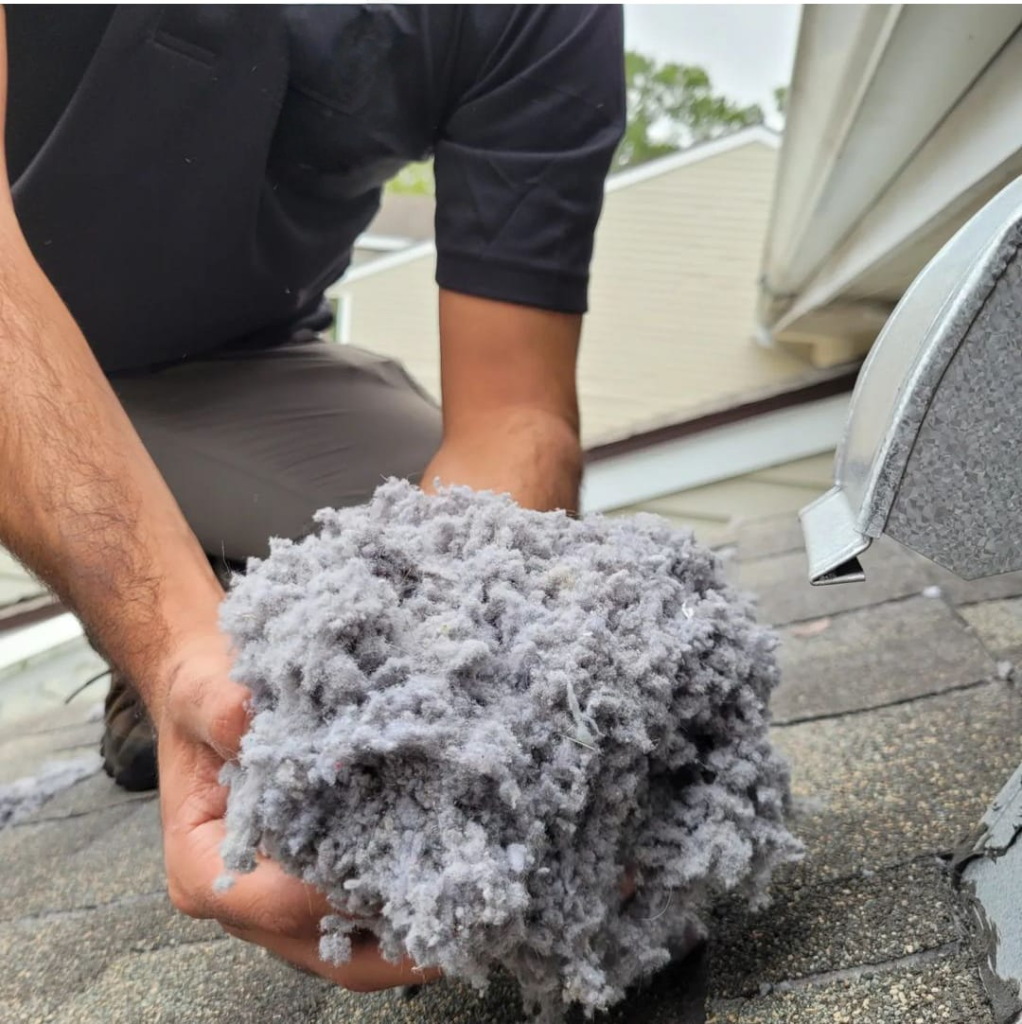
Lint buildup is one of the most significant factors affecting dryer performance. Every load of laundry releases small fibers that travel through the vent system. While lint traps capture a portion of these fibers, a significant amount still passes through and accumulates inside the ductwork.
Over time, this buildup becomes dense and compact, creating a blockage that restricts airflow. When air cannot move freely, the dryer struggles to remove moisture effectively. This results in longer drying times, uneven drying, and increased energy consumption.
What makes lint buildup particularly problematic is that it continues to grow with each use. Without regular cleaning, the blockage becomes more severe, eventually affecting the entire system. Homeowners who learn more through dryer vent cleaning education and airflow improvement insights often realize how quickly this issue can develop.
In addition to performance problems, lint buildup also increases fire risk due to its highly flammable nature. Maintaining a clean vent system is essential for both safety and efficiency.
Warning Signs Your Dryer Vent Needs Immediate Cleaning
Recognizing the warning signs of a clogged dryer vent can help you address the problem before it leads to serious damage or safety risks. These signs often appear gradually, making them easy to overlook if you are not paying close attention.
Common warning signs include:
- Clothes take multiple cycles to dry completely
- The dryer is becoming unusually hot during operation
- Burning or musty odors during use
- Lint is accumulating around the exterior vent
- Increased humidity in the laundry area
These symptoms indicate that airflow is restricted and the vent system is not functioning properly. When hot air and moisture cannot escape, they remain trapped inside the system, reducing efficiency and increasing strain on the dryer.
Homeowners who take action early and schedule evaluations through professional dryer vent inspection and service consultation often prevent costly repairs and potential hazards. Paying attention to these signs ensures that your dryer remains safe, efficient, and reliable.
The Impact of Poor Ventilation on Dryer Performance
Proper ventilation is essential for maintaining dryer efficiency. When airflow is unrestricted, moisture is quickly removed, and drying cycles remain short. However, poor ventilation disrupts this balance, leading to longer drying times and increased energy usage.
When the vent system is blocked or inefficient, hot air becomes trapped inside the dryer. This causes moisture to linger in the drum, preventing clothes from drying properly. As a result, the dryer must run multiple cycles, increasing wear on internal components.
Over time, poor ventilation can lead to overheating, which may damage critical parts such as the heating element or motor. Homeowners who understand these risks through dryer system airflow expertise and performance optimization knowledge often prioritize regular maintenance. Improving ventilation ensures that the dryer operates efficiently, reduces strain on the system, and maintains consistent performance.
How Professional Dryer Vent Cleaning Improves Efficiency
Professional dryer vent cleaning is one of the most effective ways to restore system performance. By removing lint and debris from the vent system, airflow is improved, allowing the dryer to operate as intended.
Key benefits include:
- Removal of deep lint buildup
- Improved airflow throughout the system
- Faster drying times
- Reduced energy consumption
- Lower risk of overheating and fire hazards
Cleaning the vent system ensures that hot air can escape properly, allowing moisture to be removed efficiently. This reduces the need for multiple cycles and helps maintain consistent performance.
Homeowners and businesses that rely on advanced dryer vent cleaning services for high-efficiency performance often experience immediate improvements in drying time and energy usage. Regular professional cleaning ensures long-term efficiency and system reliability.
Energy Costs and Damage Caused by a Slow Dryer
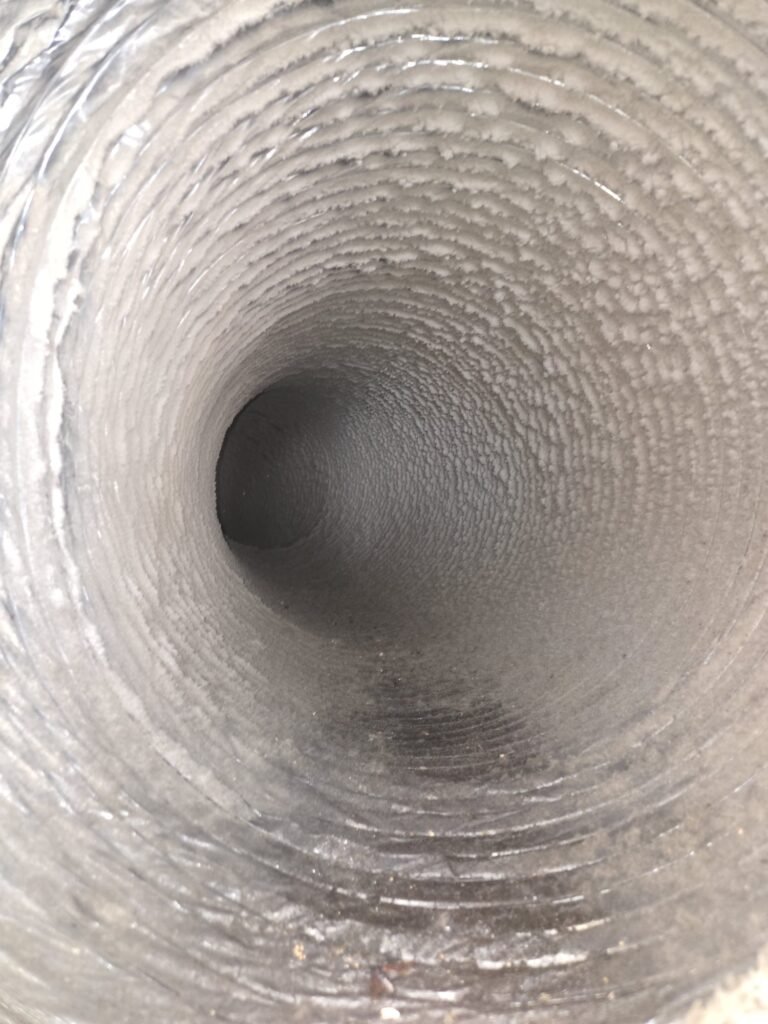
A slow dryer can significantly increase energy costs over time. Each additional drying cycle requires more electricity or gas, leading to higher utility bills. What may seem like a minor inconvenience can quickly become an expensive problem.
In addition to increased energy usage, restricted airflow places extra strain on the dryer. This can lead to overheating, which damages internal components and reduces the lifespan of the appliance. Over time, these issues can result in costly repairs or replacement.
Homeowners who stay informed through dryer efficiency tips and maintenance best practices often recognize the importance of addressing these problems early.
Improving airflow and maintaining a clean vent system helps reduce energy costs, protect your appliance, and ensure long-term performance.
Simple Maintenance Tips to Prevent Future Dryer Issues
Preventing dryer performance issues requires consistent maintenance and attention to detail. Simple steps can make a significant difference in maintaining airflow and preventing buildup.
Important tips include:
- Cleaning the lint trap after every use
- Inspecting the vent hose for damage or blockages
- Avoiding overloading the dryer
- Checking the exterior vent for obstructions
- Scheduling professional cleaning annually
These practices help ensure that air flows freely through the system, reducing the risk of clogs and improving efficiency. Homeowners who follow maintenance plans through professional dryer vent service scheduling and expert support often avoid major issues and maintain optimal performance. Consistent maintenance not only improves efficiency but also extends the lifespan of your dryer.
Conclusion
A dryer that takes too long to dry clothes is often a clear sign of restricted airflow caused by lint buildup and poor ventilation. While the problem may seem minor at first, it can quickly lead to increased energy costs, reduced efficiency, and potential safety risks if left unaddressed. Understanding how your dryer vent system works is essential for identifying and resolving these issues effectively.
When airflow is restored, the dryer can operate efficiently, completing cycles faster and using less energy. This not only improves convenience but also reduces strain on the appliance, helping extend its lifespan. Clean vents also play a critical role in maintaining safety by reducing the risk of overheating and fire hazards.
Homeowners who take a proactive approach and explore professional dryer vent cleaning services and airflow optimization solutions often experience long-term benefits, including improved performance, lower energy bills, and a safer home environment.
By maintaining a clean vent system and following proper care practices, you can ensure that your dryer continues to operate efficiently and reliably for years to come.
FAQs
1. Why is my dryer taking longer than usual to dry clothes
A dryer usually takes longer when airflow is restricted, often due to lint buildup inside the vent system.
2. Can a clogged dryer vent cause slow drying
Yes, clogged vents block hot air from escaping, which traps moisture and increases drying time.
3. How do I know if my dryer vent is clogged
Signs include longer drying cycles, overheating, burning smells, and lint around the vent opening.
4. Is it dangerous if my dryer takes too long to dry
Yes, restricted airflow can cause overheating and increase the risk of a dryer fire.
5. How often should dryer vents be cleaned
Most experts recommend cleaning dryer vents at least once a year, or more often for heavy use.
6. Can cleaning the vent really improve drying time
Yes, removing lint buildup restores airflow, allowing clothes to dry faster and more efficiently.
7. Does a slow dryer increase energy bills
Yes, longer drying cycles use more electricity or gas, leading to higher utility costs.
8. Can I clean my dryer vent myself
Basic cleaning is possible, but professional cleaning is recommended for deep and complete removal of buildup.
9. What causes lint to build up so quickly
Lint naturally forms from fabric fibers during drying and accumulates over time inside the vent system.
10. Will vent cleaning extend the life of my dryer
Yes, proper airflow reduces strain on the appliance, helping it last longer and perform better.