

Tampa’s climate is defined by high humidity, warm temperatures, and frequent weather changes throughout the year. While these conditions are typical for Florida living, they create unique challenges for home ventilation systems, especially kitchen range hoods. A range hood is designed to remove smoke, grease, heat, and airborne particles from your kitchen, but its performance can be directly affected by environmental conditions.
In humid climates like Tampa, moisture in the air changes how grease and cooking particles behave. Instead of dissipating quickly, they combine with moisture and cling to surfaces inside the hood and duct system. This leads to faster buildup, reduced airflow, and decreased efficiency over time.
Many homeowners are unaware that climate plays such a significant role in how their ventilation system performs. As a result, issues often go unnoticed until they begin affecting air quality or comfort. That is why many residents turn to professional kitchen range hood cleaning services in Tampa to maintain proper performance and prevent long-term problems.
How Humidity Alters Ventilation Efficiency
Humidity is one of the most influential environmental factors affecting kitchen range hood performance in Tampa. When cooking produces grease and smoke, these particles rise into the hood system. In humid air, these particles absorb moisture, making them heavier and more likely to stick to surfaces.
Key effects of humidity include:
- Reduced airflow due to sticky residue inside ducts
- Faster accumulation of grease on filters
- Increased resistance within the ventilation system
- Lower overall efficiency of air removal
As airflow becomes restricted, the range hood must work harder to remove smoke and heat. This not only reduces performance but can also lead to long-term wear on the system. To maintain efficiency, many homeowners rely on specialized kitchen hood cleaning solutions designed for Tampa conditions that address the impact of humidity on ventilation systems.
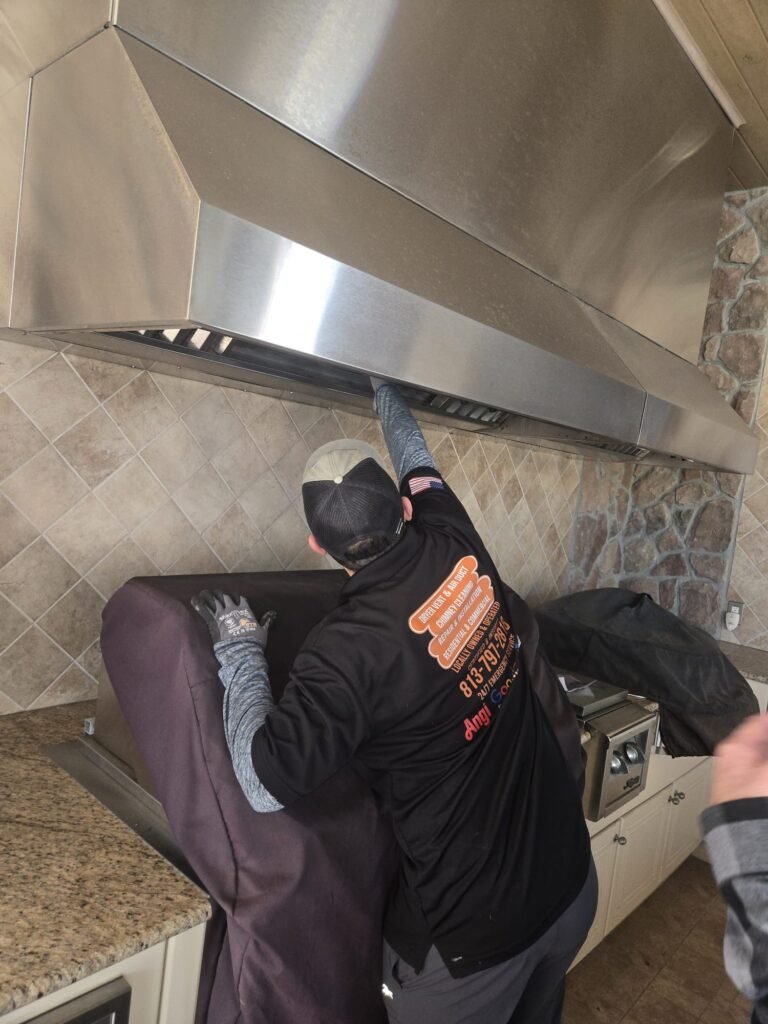
The Role of Temperature in Grease Accumulation
Temperature also plays a critical role in how kitchen range hoods perform. Tampa’s consistently warm climate affects how grease behaves inside the ventilation system.
When cooking in a warm environment, grease particles remain more fluid and are easily carried into the duct system. Once inside, they combine with humid air and begin to settle on surfaces. Unlike cooler climates, where grease may solidify and fall away, Tampa’s warmth allows it to spread and accumulate more evenly.
This creates a layer of residue that gradually builds up over time. As the buildup increases, airflow becomes restricted, and the system becomes less effective at removing smoke and odors.
Homeowners who notice these changes often explore professional kitchen ventilation cleaning services for grease removal to restore proper airflow and maintain performance.
How Moisture Contributes to Long-Term System Wear
Moisture does more than just affect grease buildup. It also contributes to the gradual wear and deterioration of the range hood system itself. Over time, excess moisture inside ducts and components can lead to corrosion and reduced durability.
Common moisture-related issues include:
- Metal components are weakening due to constant exposure
- Increased buildup leading to system strain
- Reduced the lifespan of filters and internal parts
- Potential mold growth in damp areas
These issues develop slowly but can have a significant impact on the long-term performance of the system. Without regular maintenance, the ventilation system may become less reliable and more expensive to repair. Many homeowners address these concerns by scheduling routine kitchen hood cleaning and maintenance services to prevent moisture-related damage and extend system lifespan.
Why Airflow Becomes Restricted Over Time
Restricted airflow is one of the most noticeable effects of Tampa’s climate on kitchen range hoods. As grease and moisture accumulate inside the system, the pathways that allow air to move freely become narrower.
This restriction makes it harder for the hood to remove smoke and heat efficiently. Over time, this can lead to a buildup of heat and odors in the kitchen, making cooking less comfortable.
Reduced airflow also forces the system to work harder, which can increase energy usage and wear on internal components. This creates a cycle where performance continues to decline unless the buildup is removed.
Homeowners experiencing these issues often turn to professional kitchen hood airflow restoration services to improve system performance and restore efficiency.
How Often Cleaning Is Needed in the Tampa Climate
The frequency of cleaning is directly influenced by environmental conditions. In Tampa, where humidity and temperature accelerate buildup, more frequent maintenance is required compared to other regions.
Recommended practices include:
- Cleaning filters regularly to prevent buildup
- Scheduling professional cleaning at consistent intervals
- Monitoring system performance for early signs of issues
- Addressing buildup before it becomes severe
Regular cleaning ensures that the system continues to operate efficiently and prevents long-term damage. In Tampa, waiting too long between cleanings can lead to significant buildup that is harder to remove. Many homeowners rely on professional kitchen hood cleaning services in Tampa to maintain consistent performance throughout the year.
Long-Term Effects of Ignoring Climate Impact
Ignoring the effects of Tampa’s climate on your kitchen range hood can lead to serious long-term problems. What starts as minor buildup can develop into significant performance issues if not addressed.
Over time, restricted airflow can reduce the system’s ability to remove smoke and odors. This can affect indoor air quality and create an uncomfortable cooking environment.
In addition, grease buildup combined with moisture can increase safety risks and lead to more complex maintenance needs. The longer these issues are ignored, the more difficult they become to resolve.
Homeowners who want to avoid these problems often explore professional kitchen hood system evaluations and performance assessments to ensure their systems are functioning properly.
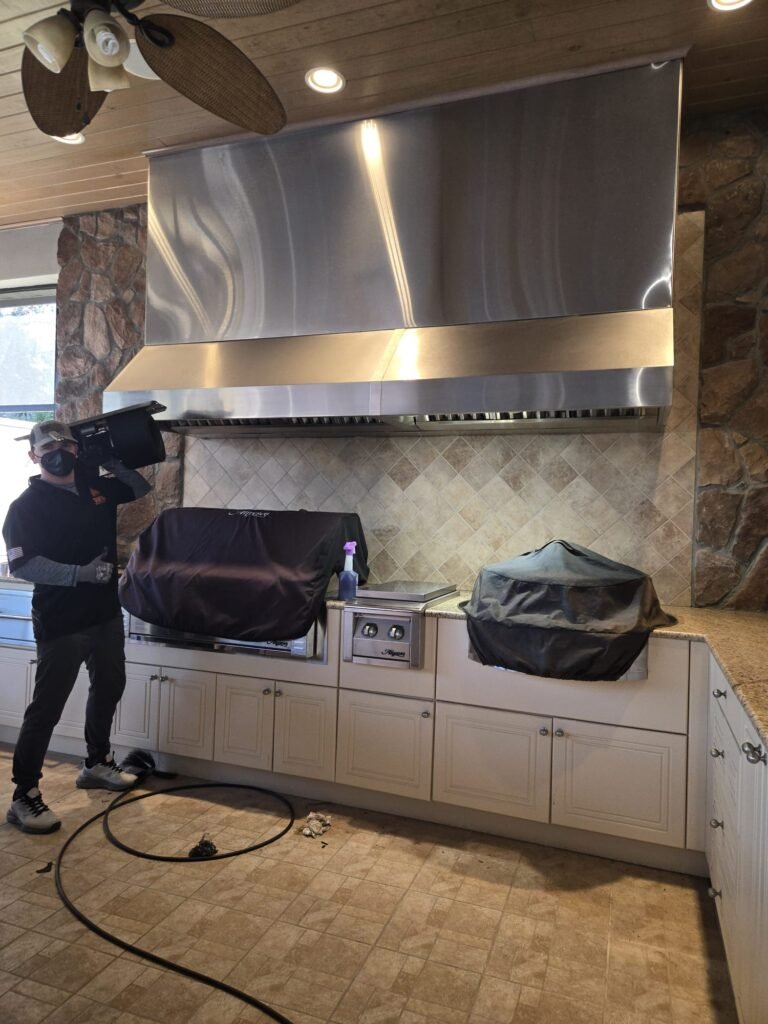
Best Ways to Maintain Performance Year-Round
Maintaining consistent performance requires a proactive approach. By taking simple steps, homeowners can reduce the impact of Tampa’s climate and keep their range hood operating efficiently.
Important maintenance tips include:
- Cleaning filters frequently
- Scheduling professional deep cleaning
- Checking airflow regularly
- Keeping the system free of debris
These practices help prevent buildup and ensure that the system continues to function effectively. Regular maintenance also reduces the risk of long-term damage and improves overall performance. For ongoing support, many homeowners connect through professional service scheduling and consultation support to keep their systems in optimal condition.
Conclusion
Tampa’s climate has a significant impact on kitchen range hood performance. High humidity, warm temperatures, and constant moisture create conditions that accelerate grease buildup and reduce airflow. Without proper maintenance, these factors can lead to decreased efficiency, poor air quality, and increased safety risks.
Understanding how climate affects your system allows you to take proactive steps to maintain it. Regular cleaning and inspections are essential for ensuring long-term performance and preventing costly problems.
By staying ahead of these issues, homeowners can maintain a comfortable and safe kitchen environment. To learn more, explore helpful insights in the kitchen ventilation maintenance and cleaning blog section. If you need expert assistance, connect through the service request and consultation page. You can also learn more about the company through the business overview and experience page.
FAQs
1. How does Tampa’s climate affect range hoods?
Humidity and heat cause faster grease buildup and reduced airflow.
2. Why is airflow important for performance?
Proper airflow removes smoke, heat, and odors efficiently.
3. Does humidity increase maintenance needs?
Yes, it accelerates the buildup inside the system.
4. How often should I clean my hood?
More frequently in humid climates like Tampa.
5. Can buildup affect air quality?
Yes, it traps smoke and pollutants.
6. What are the signs of poor performance?
Reduced airflow, odors, and visible grease.
7. Is professional cleaning necessary?
Yes, for deep cleaning and proper maintenance.
8. Can moisture damage the system?
Yes, it can lead to corrosion and wear.
9. How can I improve performance?
Regular cleaning and maintenance are key.
10. What is the best prevention method?
Consistent care and timely cleaning.