


Tampa’s climate is known for its high humidity, frequent rain, and warm temperatures throughout most of the year. While these conditions are great for coastal living, they can create hidden challenges inside your home, especially when it comes to your dryer vent system. Many homeowners do not realize that local weather has a direct impact on how efficiently their dryer operates. Moisture in the air can combine with lint buildup inside the vent, creating blockages that restrict airflow and reduce performance.
Over time, this can lead to longer drying cycles, increased energy bills, and unnecessary wear on your appliance. In more serious cases, restricted airflow can even create safety concerns due to overheating. That is why understanding how Tampa’s climate affects your dryer vent is essential for maintaining efficiency and safety.
Many homeowners begin by exploring professional dryer vent repair and inspection services in Tampa to determine whether their system is affected by environmental conditions. This guide explains how local weather impacts your dryer and what you can do to keep it running properly.
How Tampa’s Humidity Affects Dryer Vent Performance
Humidity is one of the biggest factors influencing dryer vent performance in Tampa. Unlike dry climates, Tampa’s air contains a high level of moisture that can affect how lint behaves inside the vent system. When lint mixes with humid air, it becomes heavier and more likely to stick to the walls of the vent, creating buildup over time.
Key effects of humidity include:
- Lint is sticking to the vent walls and forming blockages
- Reduced airflow, causing longer drying times
- Increased moisture retention inside the vent system
- Higher risk of mold growth in damp areas
These issues can significantly reduce the efficiency of your dryer. Instead of allowing hot air to escape properly, the vent becomes partially blocked, forcing the dryer to work harder. This not only increases energy consumption but also shortens the lifespan of the appliance.
Homeowners often rely on professional dryer vent installation and airflow optimization services to ensure their system is designed to handle Tampa’s humid conditions effectively.
The Impact of Rain and Storms on Dryer Vents
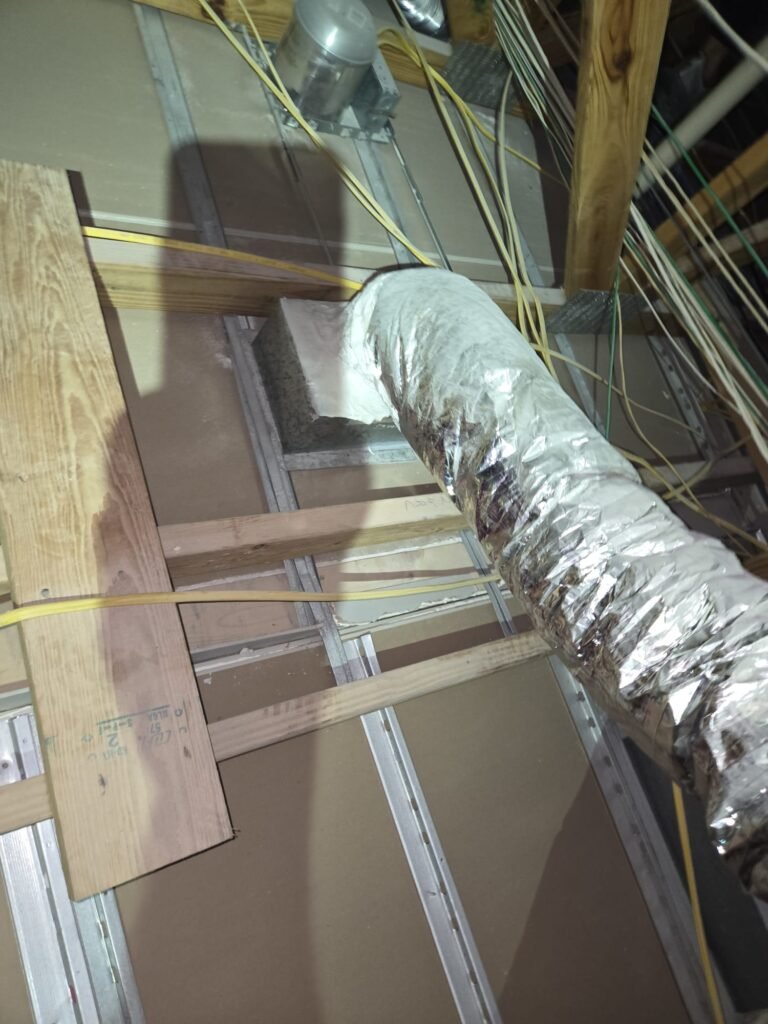
Tampa experiences frequent rain and seasonal storms, which can also affect dryer vent performance. Heavy rain can introduce moisture into the vent system, especially if the exterior vent cover is damaged or not properly sealed. Over time, this moisture can combine with lint and create stubborn blockages.
Storms can also cause physical damage to vent systems. Strong winds may loosen vent covers or shift ductwork, creating gaps that allow water and debris to enter. These issues often go unnoticed until performance problems begin to appear.
When moisture enters the vent system, it can slow down airflow and create conditions for mold growth. This not only affects dryer efficiency but can also impact indoor air quality.
Homeowners dealing with storm-related issues often turn to reliable dryer vent repair services in Tampa to restore proper function and prevent further damage.
Signs Your Dryer Vent Is Affected by Weather
Weather-related dryer vent issues often develop gradually, making them easy to overlook. However, there are several warning signs that indicate your system may be affected by Tampa’s climate conditions.
Common signs include:
- Clothes are taking longer than usual to dry
- Excess heat or humidity in the laundry area
- A musty smell is coming from the dryer
- Lint buildup around the vent opening
These signs usually indicate restricted airflow caused by moisture and lint accumulation. Ignoring these symptoms can lead to more serious problems over time, including damage to your dryer and increased energy costs. Early detection is key to avoiding expensive repairs. Many homeowners schedule routine dryer vent cleaning services for performance improvement to remove buildup and restore proper airflow.
Why Regular Dryer Vent Cleaning Is Essential in Tampa
Regular dryer vent cleaning is especially important in Tampa due to the climate. The combination of humidity and frequent use can cause lint to accumulate faster than in other regions. Without proper maintenance, this buildup can restrict airflow and reduce efficiency.
Cleaning your dryer vent removes lint and debris, allowing hot air to flow freely. This improves drying performance and reduces the risk of overheating. It also helps prevent moisture from becoming trapped inside the system.
In Tampa, where environmental conditions accelerate buildup, regular cleaning should be considered a necessary part of home maintenance. Skipping this step can lead to higher energy bills and potential safety concerns.
Many homeowners rely on professional dryer vent cleaning services for consistent maintenance to keep their systems operating year-round efficiently.
How Proper Vent Installation Reduces Weather Impact
The way a dryer vent system is installed plays a major role in how well it performs in Tampa’s climate. A properly installed vent system allows air to flow smoothly and minimizes the effects of humidity and moisture.
Key benefits of proper installation include:
- Improved airflow and faster drying times
- Reduced lint buildup inside the vent
- Better resistance to moisture and weather exposure
- Lower risk of long-term damage
Improper installation can lead to sharp bends, long duct runs, or poor vent placement, all of which restrict airflow and increase the impact of humidity. Over time, this can lead to frequent clogs and reduced efficiency.
Homeowners experiencing ongoing issues often explore professional dryer vent installation solutions in Tampa to improve system performance and reduce maintenance needs.
Long-Term Effects of Ignoring Weather-Related Issues
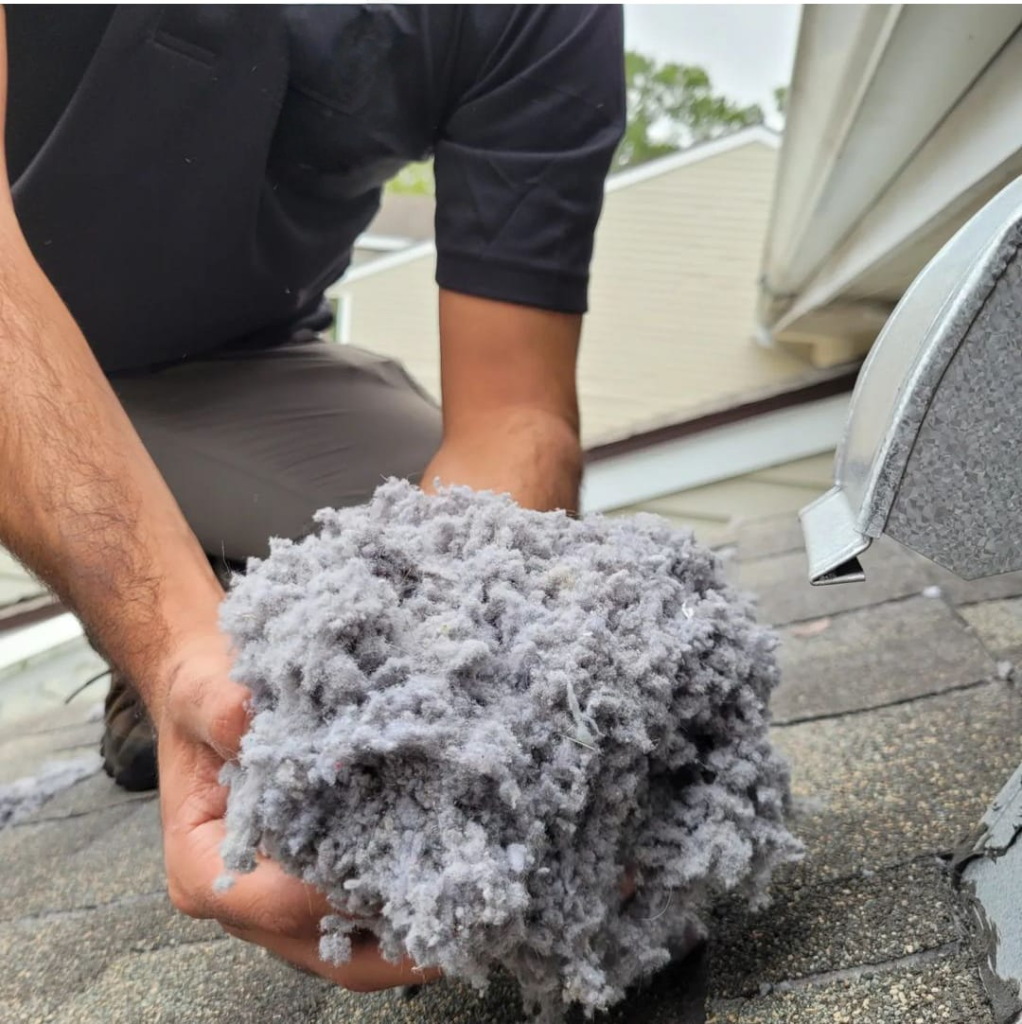
Ignoring the impact of Tampa’s weather on your dryer vent can lead to serious long-term consequences. What starts as minor lint buildup can quickly develop into a major problem if not addressed.
Over time, restricted airflow can cause your dryer to overheat, leading to increased wear and potential breakdowns. Moisture trapped inside the vent can also create conditions for mold growth, which may affect indoor air quality.
In addition, repeated strain on the dryer can shorten its lifespan, resulting in costly replacements. These issues are often preventable with regular maintenance and timely repairs.
Homeowners who want to avoid these problems often consult experienced local professionals for dryer vent system evaluation to ensure their system is functioning properly.
Best Practices to Protect Your Dryer Vent in Tampa
Taking proactive steps can help protect your dryer vent from the effects of Tampa’s climate. Regular maintenance and proper care can significantly improve performance and reduce the need for repairs.
Important best practices include:
- Scheduling regular vent cleaning
- Inspecting the vent system after storms
- Keeping the exterior vent cover clear of debris
- Addressing minor issues promptly
These steps help maintain proper airflow and prevent moisture buildup inside the vent system. By staying proactive, homeowners can avoid costly repairs and improve energy efficiency. For ongoing support, many homeowners connect through professional service scheduling and maintenance support to keep their systems in top condition.
Conclusion
Tampa’s climate has a significant impact on dryer vent performance. High humidity, frequent rain, and seasonal storms all contribute to lint buildup, moisture retention, and reduced airflow. Over time, these factors can decrease efficiency, increase energy costs, and create potential safety risks if not addressed.
Understanding how local weather affects your dryer vent allows you to take proactive steps to maintain your system. Regular cleaning, proper installation, and timely repairs are essential for ensuring long-term performance and safety.
Homeowners who stay ahead of these issues can avoid costly repairs and extend the lifespan of their appliances. To learn more, explore helpful tips in the dryer vent maintenance and safety blog section. If you need expert help, connect through the service request and consultation page. You can also learn more about the team through the company background and service expertise page.
FAQs
1. How does humidity affect dryer vents?
Humidity causes lint to stick inside vents, leading to blockages.
2. Can rain damage a dryer vent?
Yes, moisture can enter the system and reduce airflow.
3. How often should I clean my dryer vent in Tampa?
At least once a year, or more often with heavy use.
4. What are the signs of a clogged vent?
Long drying times, heat buildup, and musty smells.
5. Does weather increase lint buildup?
Yes, humidity accelerates lint accumulation.
6. Can improper installation make problems worse?
Yes, it can restrict airflow and increase buildup.
7. Is dryer vent cleaning necessary?
Yes, it improves efficiency and reduces risks.
8. Can storms affect vent systems?
Yes, they can damage or shift vent components.
9. How do I prevent vent problems?
Regular cleaning and inspections are key.
10. Should I hire professionals?
Yes, professional service ensures thorough cleaning and safety.