

In many Tampa homes, the kitchen range hood is treated like a background appliance. It turns on, pulls smoke away, and seems to do its job. But over time, grease vapor, moisture, and airborne particles build up inside the hood, filters, fan housing, and duct pathway. That buildup does not just reduce performance. It can quietly increase indoor air pollution, raise the risk of grease-related flare-ups, and create conditions where moisture and residue contribute to long term damage. Tampa’s warm, humid climate adds another layer of pressure because moisture makes buildup stickier and odors harder to remove. This guide explains what happens when range hood maintenance is ignored, what a professional cleaning addresses, and how Tampa homeowners can protect safety and indoor comfort with consistent vent care.
Grease Buildup Creates a Fire-Ready Surface Inside the Hood
A range hood is designed to capture grease-laden cooking vapors. The problem is that captured grease does not disappear. It accumulates on surfaces inside the hood and along the exhaust path. Over months and years, thin layers become thicker coatings that can ignite more easily than most homeowners realize. Even if you never see flames on the stove, high-heat cooking and sudden flare-ups can send heat and grease upward. When the interior surfaces are coated, they become a fuel source. This is one of the most serious safety impacts of neglected hood cleaning in Tampa homes because the buildup is hidden, where homeowners cannot easily see it.
Warning Signs That a Range Hood Is Becoming a Safety Issue
Many homeowners notice performance changes but do not connect them to safety risk. These clues often show up gradually.
Common warning signs include:
- The hood smells oily or smoky even when not cooking
- Grease residue appears on cabinets near the cooktop
- The fan sounds louder or vibrates more than before
- Smoke lingers longer in the kitchen after cooking
- Filters look dark, sticky, or clogged
If these signs are present, the hood is not only less effective. It may also be collecting more grease internally than expected.
Reduced Ventilation Raises Indoor Air Pollution Over Time
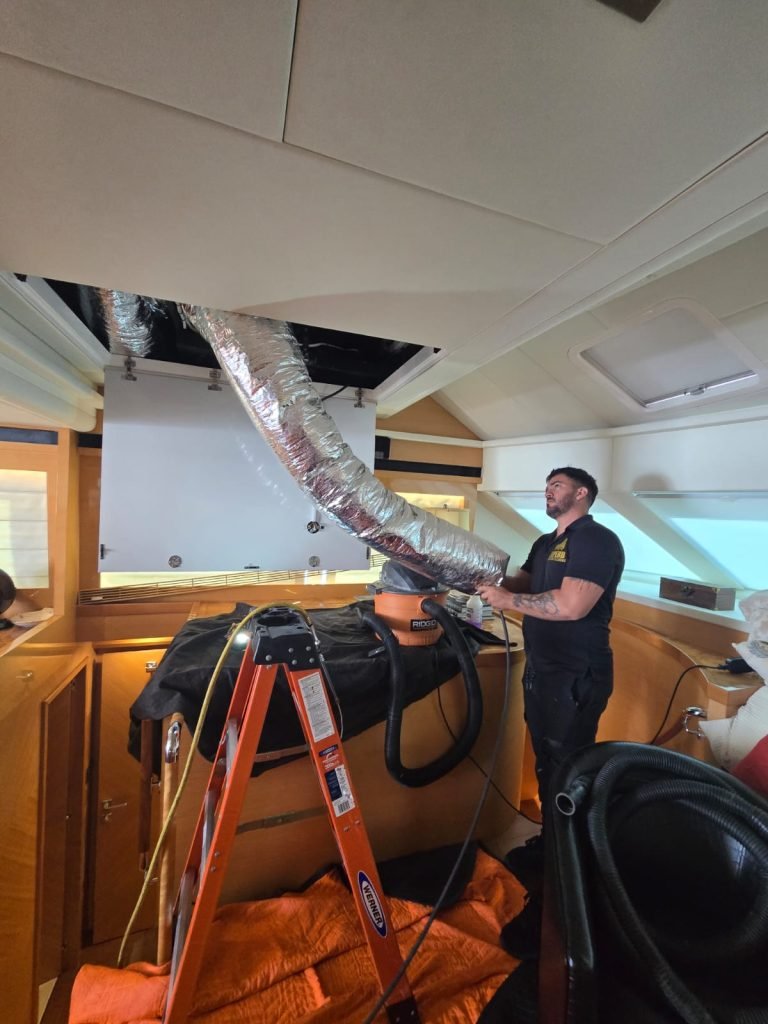
A neglected range hood does not move air efficiently. When grease and dust restrict airflow, the hood captures fewer particles and removes less smoke. This matters for Tampa homes because indoor cooking pollutants can include fine particles, odors, moisture, and combustion byproducts from gas appliances. Over time, poor ventilation can contribute to lingering smells, irritation for sensitive occupants, and heavier residue settling on surfaces. Kitchens may feel warmer and more humid during cooking, especially in summer. A well-functioning hood supports healthier indoor air by removing pollutants at the source. When airflow drops, those pollutants stay in the living space longer and spread farther.
Moisture and Humidity in Tampa Make Residue Harder to Control
Tampa humidity does more than make the air feel heavy. It also changes how grease behaves inside ventilation systems. Moist air can make grease residue tackier, which helps it cling to metal surfaces and trap dust. That combination creates thicker buildup faster than in drier climates. Over time, humidity can also contribute to musty odors inside ducts and around fan housings. When homeowners wipe down the outside of the hood but ignore the internal exhaust path, moisture can still keep residue active and sticky. This is why routine range hood maintenance becomes more important in humid regions. It helps prevent buildup from turning into a long-term safety and air quality problem.
Electrical and Motor Strain Can Become a Safety Concern
When airflow is restricted, the fan motor often works harder to move air. That strain can reduce the life of the motor and increase the chance of overheating. While most range hood systems include safety protections, any appliance under stress for long periods becomes less reliable. Tampa homeowners may notice the fan running hot, making unusual noises, or failing to reach normal speeds. In some cases, grease buildup can also interfere with moving parts, adding friction and wear. A professional cleaning reduces the load on the motor by restoring normal airflow. That helps the hood run more efficiently and lowers the stress that can contribute to mechanical failure.
What Professional Range Hood Cleaning Actually Removes
Many homeowners think cleaning a range hood means washing the filters and wiping the visible surfaces. Professional cleaning goes deeper and targets the buildup that affects safety.
Professional cleaning commonly addresses:
- Grease residue inside the hood canopy and fan housing
- Clogged or saturated filters that no longer capture grease well
- Grease deposits along the exhaust path where vapors travel
- Dust and residue on blades that reduce fan efficiency
- Odor-causing buildup that keeps kitchens smelling stale
The goal is not only appearance. It is restoring safer airflow and reducing grease accumulation that can become a fire hazard.
Hidden Duct Pathway Issues That Keep Getting Worse
A major reason neglected hoods become dangerous is that the most problematic buildup is often beyond what homeowners can access. The duct pathway can collect grease and dust over time, especially if the hood is used frequently for frying or high-heat cooking. When residue collects in duct sections, airflow slows, which causes more grease to settle instead of being exhausted properly. This creates a cycle where performance keeps decreasing, and buildup keeps increasing. Tampa homes with longer duct runs or older installations may be more vulnerable to this effect. A professional evaluation can identify whether the buildup has spread beyond the hood itself and whether internal sections need attention for safety.
How Neglected Hoods Affect Overall Home Cleanliness
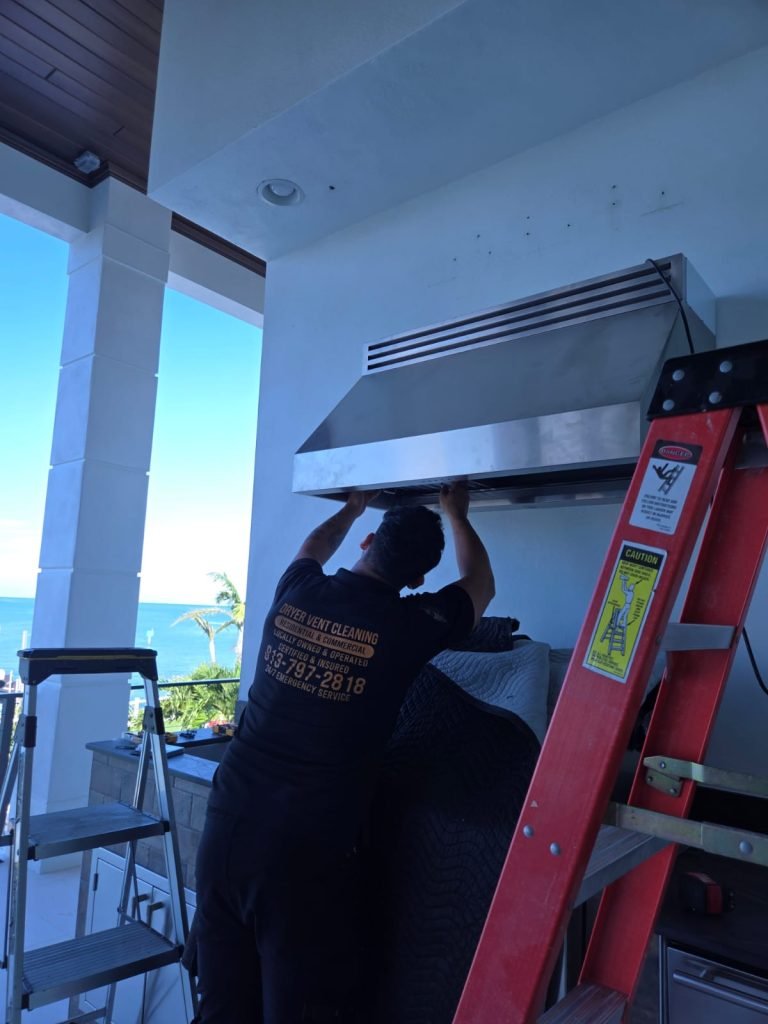
A struggling range hood does not capture grease effectively. That means more grease particles remain in the air and settle on nearby surfaces. Over time, homeowners may notice that the kitchen feels harder to keep clean, cabinets feel sticky, and dust seems to cling to surfaces. This can be confusing because the homeowner is cleaning frequently, yet grime returns quickly. The reason is that grease in the air acts like a glue for dust. When ventilation is weak, grease particles spread and collect throughout the kitchen. In Tampa, where humidity supports sticky residue, this effect can be stronger. Improving hood performance helps reduce greasy film on surfaces and supports cleaner indoor living over time.
Safe Maintenance Habits Tampa Homeowners Can Follow
Consistent maintenance makes a major difference, especially in humid climates and high-use kitchens.
Practical maintenance habits include:
- Clean or replace filters on a consistent schedule based on cooking frequency
- Wipe visible surfaces weekly to prevent residue thickening
- Run the hood during cooking and for a short time after cooking ends
- Avoid letting grease accumulate around the fan intake area
- Watch for odor changes, noise changes, or reduced suction
These steps help reduce buildup, but they do not replace deeper periodic cleaning when residue has reached internal areas.
Conclusion
Neglected kitchen range hoods can quietly create long-term safety issues in Tampa homes. Grease buildup increases fire risk, restricted airflow worsens indoor air quality, and humidity makes residue harder to control. Over time, motors strain, odors linger, and kitchens become harder to keep clean because grease particles remain in the air. By understanding what changes inside the hood and exhaust path, homeowners can recognize early warning signs and act before risks grow.
Frequently Asked Questions
1. How often should a kitchen range hood be cleaned?
For most Tampa homes, filter cleaning is needed regularly, while deeper cleaning depends on cooking frequency and grease levels.
2. Can a dirty range hood cause a fire?
Yes. Grease buildup inside the hood and duct path can become a fuel source during high-heat cooking or flare-ups.
3. Why does my kitchen still smell after cooking, even with the hood on?
Odors can linger when filters are clogged, airflow is weak, or grease buildup traps smells inside the system.
4. Is wiping the outside of the hood enough?
No. Hidden buildup inside the hood and duct path often causes the biggest performance and safety problems.
5. What are the signs my hood is not venting correctly?
Loud fan noise, weak suction, lingering smoke, oily smell, and greasy residue on nearby cabinets are common signs.
6. Does Tampa humidity make range hood buildup worse?
Yes. Humidity can make grease stickier and help it trap dust, speeding up buildup.
7. Can a dirty hood affect indoor air quality?
Yes. Poor ventilation allows smoke, moisture, and particles to remain in the home longer.
8. Do all hoods vent outside?
No. Some systems recirculate air through filters, which still need regular cleaning or replacement to work properly.
9. Can a clogged filter damage the hood motor?
It can increase strain and reduce efficiency, shortening motor life over time.
10. Should I clean the ductwork connected to the hood?
If grease buildup is heavy or airflow is poor, inspecting and cleaning connected duct sections may be necessary.